

Updated September 2025: We have updated the article to reflect the latest advancements in AI-powered smart mobility aids, integrated smart home and remote-support technologies, and holistic assistive systems now shaping care in nursing homes and at home. These updates cover new trends in personalized, AI-driven support, adoption and regulatory considerations, and the growing impact of technology on independence, safety, and caregiver efficiency.
Exploring the Senior Living Environment in Dyer, Indiana
Nestled in the heart of Indiana, Dyer is a community that offers a unique environment for senior living, with a population of approximately 16,407 residents. Significantly, seniors make up about 42.5% of this population, emphasizing the demand for high-quality nursing homes that cater specifically to their needs, according to SeniorLiving.org. Understanding the landscape of these facilities is essential, particularly as families increasingly rely on competitive ratings to inform their choices.
Dyer is home to three primary senior living facilities, offering a variety of care options from basic assistance to comprehensive nursing care. Comparatively, the state of Indiana boasts 487 facilities in total, as reported by the Indiana State Department of Health. For families in Dyer, selecting a facility that aligns with their loved ones’ needs and expectations is crucial, given this localized focus on senior care.
A Closer Examination of Dyer Nursing and Rehabilitation Center
The Dyer Nursing and Rehabilitation Center, located at 601 Sheffield Ave, is a key player in the local nursing care landscape. With a capacity of 161 beds, this facility is both Medicare and Medicaid approved, underscoring its accessibility and compliance with federal healthcare standards (Medicare.gov). However, its current rating of 1 out of 5 stars suggests areas needing improvement, which potential residents and their families should consider carefully (The Region News).
Despite the low rating, some residents and their families have reported positive experiences, often citing the dedication of individual staff members. Such testimonials are an important aspect of the decision-making process, as they provide real-world context and play a vital role alongside official ratings.
Decoding Nursing Home Ratings and Quality Standards
Navigating the complex world of nursing home ratings can be challenging but is critical in ensuring high-quality care. The Medicare 5-star rating system is an essential tool, assessing facilities across key areas such as health inspections, staffing, and quality measures. It is important to understand that a higher rating typically denotes better overall care, yet it is vital to delve deeper into what these numbers truly signify (Medicare.gov).
Families should also consider additional quality indicators, such as staff-to-resident ratios, the availability of specialized services, and resident satisfaction surveys. Creating a detailed checklist can aid in evaluating these factors, ensuring that a chosen facility aligns with family standards and expectations for senior care.
Navigating Financial Aspects of Nursing Home Care in Dyer
Financial planning is a critical component of choosing a nursing home in Dyer, especially with the impending 2025 Medicare rate increases that could impact family budgets. Understanding Medicare and Medicaid coverage options is a crucial starting point, as these programs can significantly offset costs, according to ACPlus.
Besides these government programs, long-term care insurance and personal savings strategies can be vital parts of financial planning. Families are encouraged to use budgeting tools and cost prediction models to effectively plan for this significant investment, ensuring that loved ones can receive the required care without undue financial strain.
Innovative Alternatives to Nursing Homes in Dyer
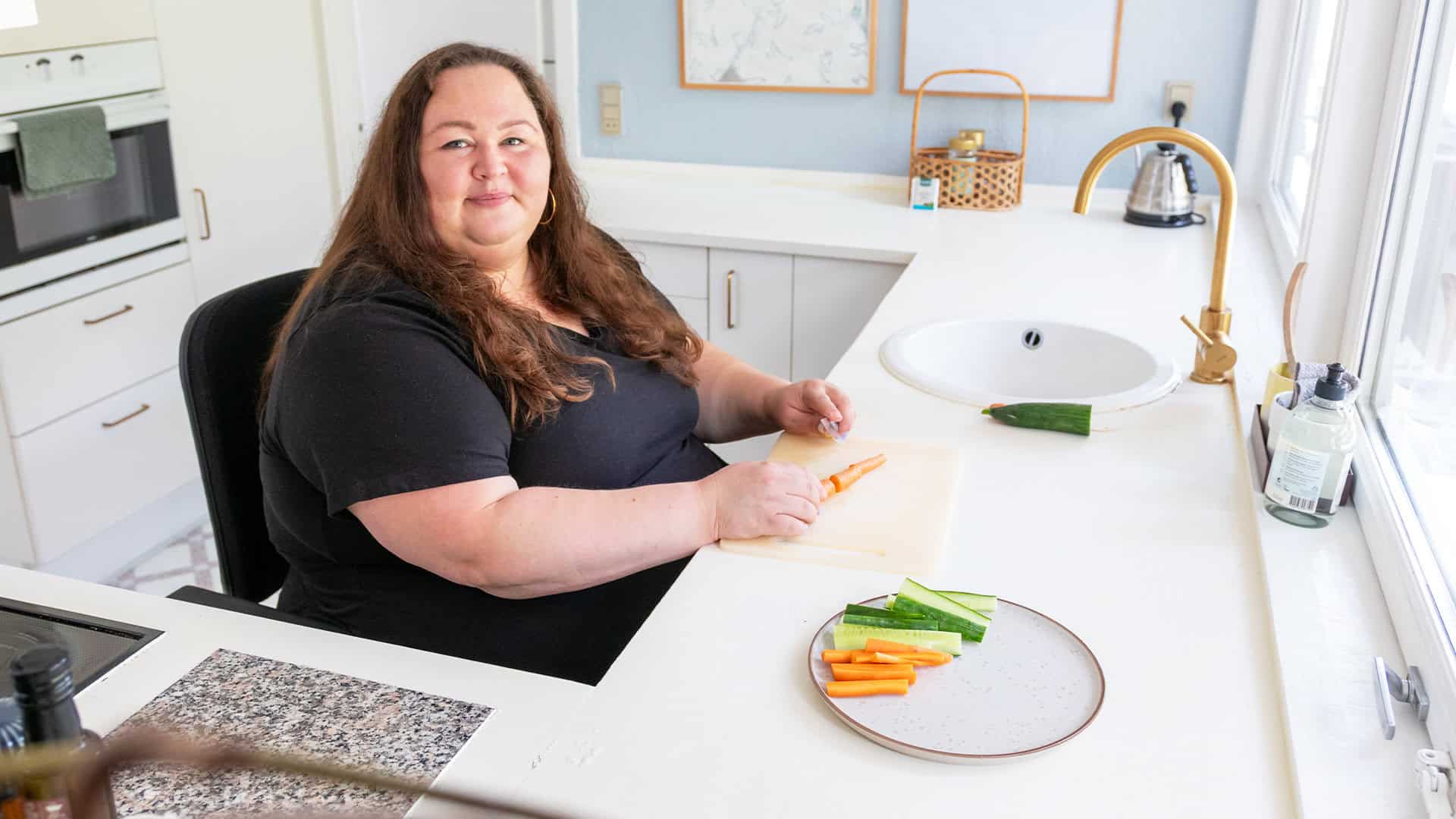
For those exploring alternatives to conventional nursing homes, Dyer offers various options, including home-based care and assisted living. These alternatives often provide more personalized care experiences and feature innovative solutions. As families consider how to keep older adults independent and safe at home, assistive devices like VELA chairs stand out. These medically approved mobility chairs are designed for home use, enhancing both safety and freedom of movement while seated. They support daily activities like cooking, dressing, or transferring, all while reducing the strain on informal caregivers.
Building on this, the latest trends in assistive technology now include AI-powered smart mobility aids, such as smart wheelchairs with integrated GPS, collision avoidance, and health monitoring features. These devices enable users to maintain greater independence and safety both inside the home and in care facilities (EverythingMedicalOnline.com).
Smart home and remote-support solutions, including voice assistants, smart locks, adaptive lighting, and passive sensors, are also improving care in both home and facility settings. These technologies support aging in place and aim to reduce the daily burden on caregivers by providing real-time alerts and remote monitoring (UnitedHealthcare Community & State).
For residents in skilled nursing or assisted living, AI assistants and wearable technologies now enhance access to information and deliver individualized support, strengthening both rehabilitation and everyday living (LetsEnvision.com).
fall prevention strategies in nursing homes can be a significant concern, addressed by innovations in assistive technologies that enhance both freedom and safety. The integration of smart televisions as assistive tools has also become a supportive measure for older adults, especially those with mild cognitive impairment, helping improve social engagement and cognitive support (JMIR Rehabilitation and Assistive Technologies).
Supporting Aging in Place: A Practical Option
The VELA Chair is not just any seating solution; it revolutionizes the way seniors can maintain independence in their homes. With features like central braking systems for safety, electric height adjustability for easy transfers, and effortless movement while seated, this chair addresses key mobility challenges. Such innovations can delay or even negate the need for a nursing home, offering significant benefits for both seniors and their caregivers.
The future of aging in place and residential care is increasingly shaped by digital and AI-driven tools, which enable holistic, connected solutions. Wearables and integrated assistive systems now provide real-time safety monitoring, remote caregiver support, and opportunities for personalized skill development, further supporting independence and safety (Assistive Technology Industry Association (ATIA) Journal).
Imagine the freedom to cook or engage in daily tasks without the fear of falling or requiring constant assistance, preserving dignity and independence. While VELA is a proven and practical option, it’s essential for families to explore all facets of aging in place solutions, including the latest connected technology, always aiming for improved quality of life through safe and supportive environments.
- EverythingMedicalOnline.com – The Latest Trends in Mobility Aid Technology for 2025
- UnitedHealthcare Community & State – How Enabling Technology is Transforming Home-Based Care
- LetsEnvision.com – Future of Assistive Technology & AI Assistants in 2025
- SkilledNursingNews.com – Top Skilled Nursing Trends for 2025
- JMIR Rehabilitation and Assistive Technologies – Utilizing Smart Televisions as Assistive Technology for Older Adults with Cognitive Impairment
- Assistive Technology Industry Association (ATIA) Journal, Spring 2025 – Innovations in assistive technologies integrating wearables, remote support, and digital resources