

Updated January 2026: We have updated the article to include the latest trends in 2026 senior care, such as AI-integrated smart mobility aids, remote patient monitoring with wearables, IoT-enabled home and bathroom safety devices, and predictive AI for fall prevention. These advances support proactive and personalized care at Elba Nursing and Rehabilitation Center and reflect broader shifts in assistive and monitoring technology use for improved resident safety, independence, and caregiver efficiency.
Finding the Right Care: Elba Nursing and Rehabilitation Center, LLC
Choosing the right nursing home for a loved one profoundly impacts their quality of life. This article explores the offerings at Elba Nursing and Rehabilitation Center, LLC, located in Elba, AL—a facility recognized for its dedication to senior care and services. Despite a modest CMS rating of 2 out of 5, understanding what this facility provides can assist families in making informed choices about elder care.
Understanding Elba Nursing and Rehabilitation Center, LLC
Elba Nursing and Rehabilitation Center is located at 987 Drayton Street, Elba, AL, and accommodates up to 111 residents. Operated by BP II, LLC and D&N, LLC, the center is committed to delivering specialized healthcare to seniors. A standout feature is the Memory Care Unit, specifically designed for female residents with Alzheimer’s or dementia, highlighting its focus on specialized care (Elba Nursing and Rehabilitation Center).
Testimonials provide valuable insights into the facility’s environment. Families frequently commend the warmth and dedication of the staff, which helps humanize the comprehensive services offered. According to Medicare.gov, the consistent efforts in caregiving resonate with many residents.
Navigating Quality Ratings and Staff Insights at Elba
Understanding CMS ratings is essential when selecting a nursing home. At Elba, the CMS rating reflects components such as the quality of care, staffing levels, and inspection results (Medicare.gov). The facility reports 3.58 nursing hours per resident per day, slightly below the state average of 3.9 (ProPublica Nursing Home Inspect). Despite slightly above-average nurse turnover, there is a clear commitment to continuous improvement.
Recent regulatory updates are directly impacting the industry. New federal staffing mandates from CMS require minimum nurse staffing levels, including 24/7 registered nurse coverage and specific nurse aide hours. These requirements have been extended to include Alabama nursing homes, setting higher standards for care quality and staff availability (Maynard Nexsen). At the same time, a recent audit revealed occasional lapses in background check verification in some Alabama nursing homes, underlining the ongoing importance of compliance and oversight to maintain resident safety (Office of Inspector General).
Local sources like the Wiregrass Times emphasize staff dedication and ongoing training to enhance care delivery, signifying Elba’s commitment to improving the wellbeing of its residents.
Specialized Care and Services Offered at Elba Nursing Home
Elba Nursing and Rehabilitation Center excels in providing diverse therapy services, including physical, occupational, and speech therapy (Elba Nursing and Rehabilitation Center). The Memory Care Unit specializes in Alzheimer’s and dementia care, demonstrating the facility’s capacity to cater to varied healthcare needs. Success stories from families highlight the positive outcomes of these programs, reinforcing the center’s ability to deliver effective, individualized care strategies.
The landscape of senior care is changing rapidly, and recent years have brought a significant shift toward advanced assistive technologies and proactive, tech-driven care. Elba and similar facilities are increasingly adopting AI-powered smart mobility aids, such as smart wheelchairs featuring obstacle detection, voice controls, fall-risk sensors, GPS, and automated safety functions to enhance independence and safety for residents (Everything Medical Online;Provider Magazine). Wearable health monitoring devices with fall detection, real-time vital sign tracking, and AI-driven predictive analytics now support staff and caregivers, allowing for early intervention and reducing unnecessary hospital visits (AANP). IoT-enabled safety devices, such as smart grab bars and bathroom sensors, are being integrated to further decrease fall risk and support aging in place (Senior Housing News).
Senior care at Elba benefits as well from expanding use of connected smart home devices including voice-activated assistance, remote medication reminders, and environmental controls, supporting daily activity, medication management, and accident prevention (Heisinger Bluffs Blog; UnitedHealthcare Community & State). Telehealth and virtual healthcare now enable residents to access a wider range of medical and mental health consultations from the facility, reinforcing safety, continuity, and accessibility of care (Heisinger Bluffs Blog; AANP). These developments facilitate more personalized, proactive, and efficient care, supporting both independence and caregiver workflow (Provider Magazine; Senior Housing News).
Comparing Costs and Exploring Local Alternatives in Elba
Cost is a crucial factor in long-term care decisions. At Elba, financing options include Medicaid, Medicare, and private pay, accommodating different financial needs (SNFdata.com). The average monthly expense ranges between $6,000-$7,500, aligning with state standards.
Alabama has extended its Medicaid funding mechanisms for nursing homes through updated legislative assessments and continues to enforce updated eligibility and income limits for beneficiaries in 2025, with important changes affecting financial planning for residents and families (Medicaid Long Term Care; Alabama Legislature Bill HB405). Elba Nursing and Rehabilitation Center currently has an occupancy rate of approximately 76.8%, suggesting availability for new residents (NIC). Exploring other facilities within Coffee County is worthwhile for families considering alternative options.
Enhancing Quality of Life with Mobility Solutions
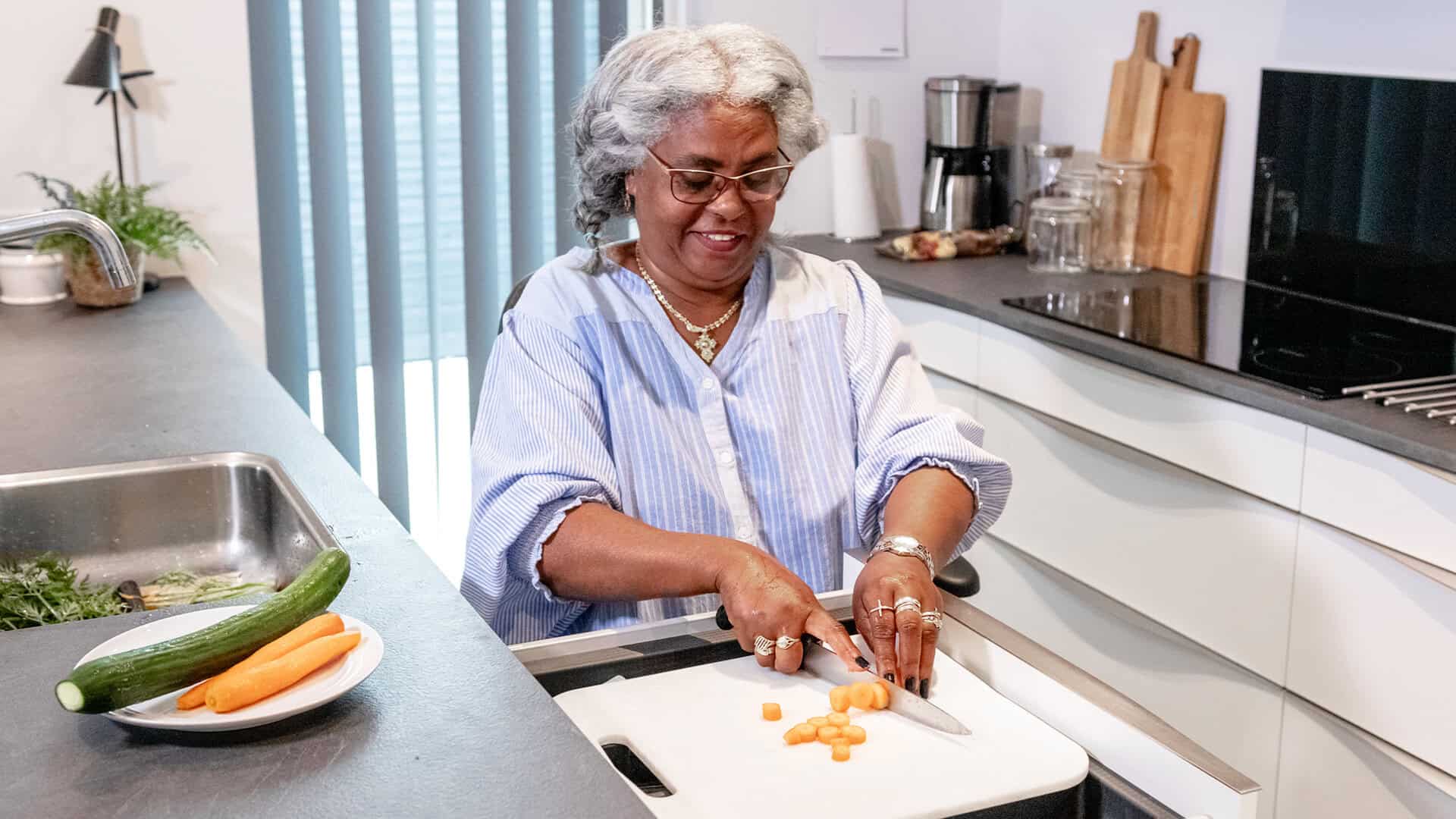
While nursing homes provide essential care for many seniors, challenges such as limited mobility and the need for full-time assistance often affect residents’ daily lives. Therefore, solutions that enable older adults to maintain independence and stay in their own homes longer are invaluable. VELA chairs represent one such solution—medically approved mobility chairs designed for home use. These chairs offer enhanced safety, increased freedom of movement while seated, and critical support for daily activities like cooking, dressing, and transferring. By reducing the caregiving burden, VELA chairs promote dignity, autonomy, and reduce the need for full-time nursing care.
Supporting Aging in Place: A Practical Option
As people age, maintaining independence becomes increasingly crucial, and solutions like VELA Chairs offer a viable way to remain at home longer. These chairs provide features like a central brake ensuring safety, electric height adjustability for ease of transfers, and smooth movement while seated, addressing many common senior challenges. With a VELA chair, activities such as cooking, cleaning, and relaxing become more manageable, offering significant energy savings and enhancing daily life quality. While traditional nursing care remains essential for some, innovative products like the VELA Chair present practical alternatives to delay moving into a nursing home, offering a balance of dignity, safety, and independence for seniors and their caregivers. To explore more about these innovative solutions, visit Enhancing Mobility for Seniors.