

Updated January 2026: We have updated the article with the latest research on AI-driven assistive technologies, enhanced remote monitoring, expanded smart home and mobility solutions, evolving regulatory support for technology adoption, and recent data on the growing assistive technology market in senior care.
Nursing Homes in Elgin, Illinois: An Overview
Elgin, Illinois, known for its diverse community, is home to approximately 115,000 residents, including a significant population of older adults. This demographic trend emphasizes the importance of senior care services within the city’s healthcare landscape. Nursing homes in Elgin provide specialized care and support to the elderly, yet choosing the right facility can be daunting. According to Medicare.gov, the average rating for Elgin facilities is 2.9 out of 5 stars, where 5 is considered the best.
For those seeking an Elgin nursing home, this guide offers comprehensive insights into the local facilities, aiding informed decision-making.
Exploring Nursing Homes in Elgin, Illinois
Understanding the local nursing home landscape is vital for potential residents and their families. Several top-rated facilities in Elgin are noteworthy for their quality care, including Avondale Estates of Elgin, Aperion Care Elgin, Crescent Care of Elgin, and The Pearl of Elgin. Each facility’s ratings are based on health inspections, staffing, and quality measures as evaluated by Medicare and the Centers for Medicare & Medicaid Services (CMS). For instance, Medicare.gov provides detailed profiles of these facilities, which include recent inspection data and fire safety compliance.
User testimonials underscore the credibility of these facilities. According to NursingHomes.com, residents appreciate the attentive staff and meticulous individualized care plans. These accounts offer a firsthand glimpse into life at Elgin nursing homes and illustrate practical scenarios like personalized rehabilitation services and community activities that residents enjoy.
Understanding Costs and Services in Elgin Nursing Homes
Cost is a primary consideration in selecting nursing care. In Elgin, monthly expenses typically range from $6,000 to $8,000, consistent with Illinois state averages. These fees usually cover essential services such as accommodation, medical care, nutritious meals, and social activities. Specialized programs, such as memory care and rehabilitation, are available to meet specific health needs, providing customized support and treatment plans. Medicare.gov documents that Elgin’s facilities offer comprehensive service packages, supporting the investment in quality care and family peace of mind.
Evaluating Safety and Quality in Elgin Nursing Facilities
Safety and quality are crucial when selecting a nursing home. Facilities in Elgin increasingly feature advanced technologies to enhance resident safety and well-being, responding to the evolving demands of long-term care. The integration of smart beds and portable monitors now allows for real-time tracking of vital signs and automated fall prevention, significantly improving immediate clinical responsiveness and reducing risks associated with mobility challenges [2]. Staffing ratios and resident satisfaction continue to serve as critical quality indicators, regularly monitored for compliance with health and safety standards.
Facilities are now adopting AI-driven predictive movement monitoring and passive sensor data to identify and prevent potential health events such as falls or wandering, personalizing preventive care for each resident [4]. Socially assistive robots and AI virtual health assistants are being used to reduce social isolation, encourage cognitive activity, and help residents with daily routines [6]. These advancements also support caregiving teams, improving coordination and communication with families through integrated digital health records and messaging platforms [3]. Additionally, regulatory guidance and new clinical practices now encourage the adoption of personalized, AI-powered assistive devices that improve care quality and sustainability in long-term care environments [9]. Government policy is increasingly supporting technology adoption through improved access, staff training, and integration into care protocols [5].
Alongside strong safety protocols, such as fire safety systems and emergency preparedness, these technologies provide layers of safety that contribute to resident well-being. Prospective residents should review user feedback and facility performance reports for insights into service quality and technology use. For instance, Medicare.gov offers data on staffing levels, health inspection results, and more.
Innovative Alternatives to Traditional Nursing Homes
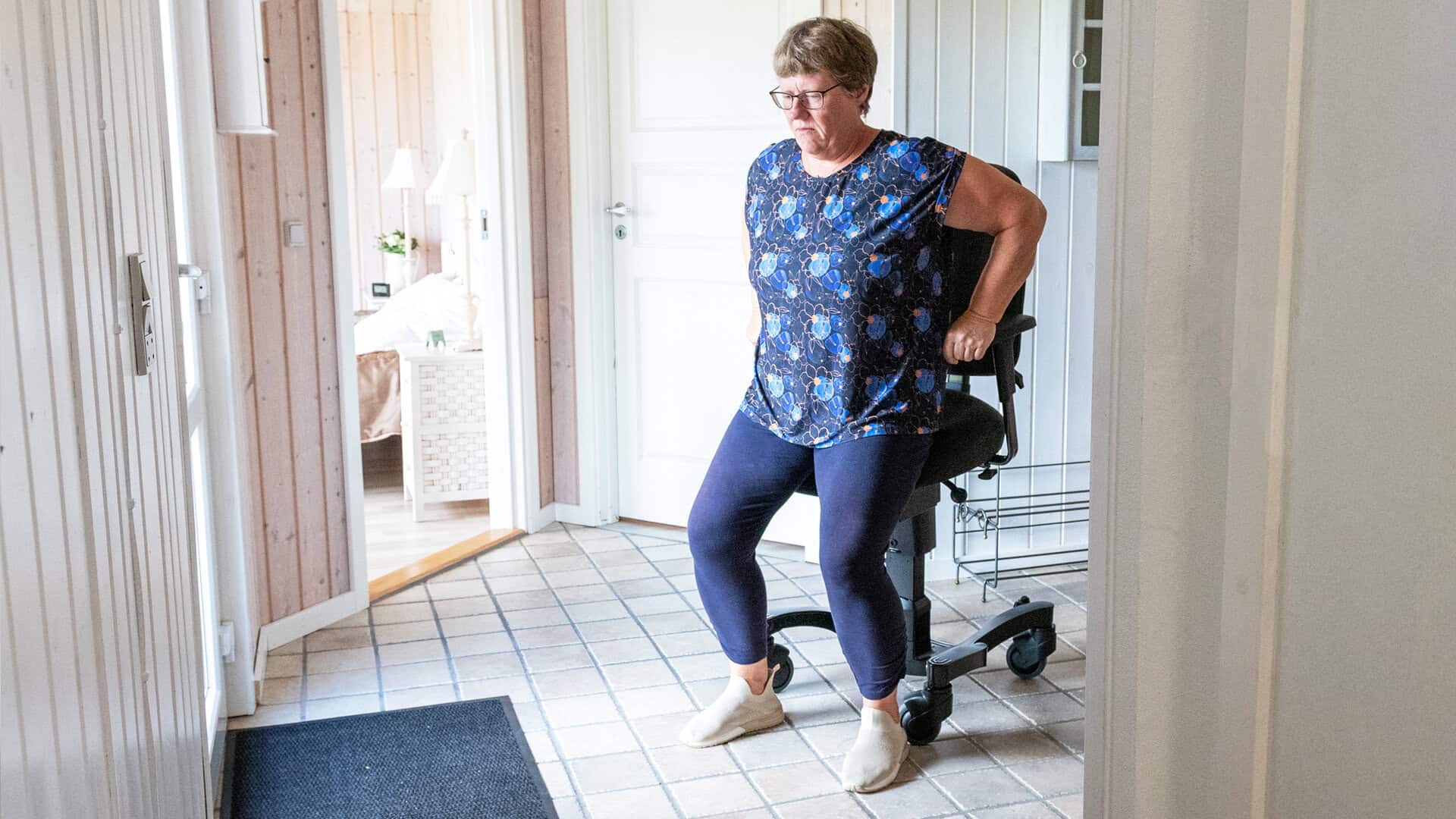
Navigating the challenges of nursing home decisions highlights a growing interest in technology-enabled alternatives that empower older adults to maintain their independence at home. Recent advances in AI-integrated assistive devices and smart home technology help individuals manage daily activities, address safety concerns, and facilitate communication with caregivers remotely [1]. The VELA Independence Chair is one example among a new generation of solutions designed to promote aging in place with dignity and autonomy. Medically approved for home use, the VELA chair enhances safety and mobility for daily activities such as cooking, dressing, and transferring, substantially reducing the physical burden on caregivers. This specially designed chair supports freedom of movement while seated through features like a central braking system, ensuring stability when needed, and permitting effortless transitions throughout the home.
Supporting Aging in Place: A Practical Option
The VELA Independence Chair offers an effective solution for seniors who wish to remain in the comfort of their homes longer. Its features, such as the central brake and electric height adjustability, address core challenges seniors face, like maintaining equilibrium during transfers or conserving energy while moving from one room to another. By reducing the risk of falls and assisting with daily tasks, this chair can delay the need for a transition to a nursing home. Meanwhile, newer AI-powered assistive products and smart home systems extend these benefits, providing predictive support, health monitoring, and proactive alerts for both individuals and caregivers [7]. VELA’s mobility aids enhance safety and well-being for seniors, contributing positively to everyday life experiences.
With these improvements, older adults can enjoy activities like cooking, cleaning, and relaxing with greater ease, preserving dignity and independence. While the VELA Chair is one proven option among many, its thoughtful design makes it a practical tool for supporting the desire for sustained independence in aging adults. Government policy and regulatory support are increasingly removing barriers to technology adoption in the home and long-term care environments, helping ensure access to innovative solutions and proper staff training [5]. The assistive technology market for seniors and individuals with disabilities is rapidly expanding, now projected to nearly double in size from 2025 to 2034, reflecting the growing demand and adoption of inclusive, personalized, and AI-adaptive solutions [10]. Furthermore, ongoing advancements in robotics and automated assistive technologies continue to transform clinical care and daily living for elderly individuals [8].
As more advanced technologies become standard, successful implementation depends on addressing challenges such as digital literacy, accessibility standardization, and privacy concerns—ensuring that innovation translates meaningfully into improved quality of life for all seniors and their caregivers [11].
References
- SynchronyFL (2025-04-10): The Future of Home Health Care: Trends to Watch in 2025
- Western Governors University blog (2025-06-15): 6 Technologies Transforming Patient Care
- Downers Grove Health Care blog (2025-02-05): How Technology Is Enhancing Care for Seniors in Assisted Living
- Provider Magazine (2024-06-01): Top High-Tech Trends in Long Term Care
- PMC (PubMed Central) Article (2024-08-14): Adoption of assistive technologies in long-term care homes
- PMC (PubMed Central) Review (2025-03-04): Integrating AI and Assistive Technologies in Healthcare
- JMIR Rehabilitation and Assistive Technologies (2025-04-24): Mainstream Smart Home Technology–Based Intervention
- Healthcare (Basel) (2025-05): Advancements and Impacts of Assistive Technologies, Robotics, and Automated Machines in Healthcare
- NCBI (PubMed Central) (2024-12): Integrating AI and Assistive Technologies in Healthcare
- Custom Market Insights (2025): Disabled and Elderly Assistive Technology Market Size – 2034
- Attentive Home Care (2025-05): The Future of Skilled Nursing: Technology Transforming Care