

Updated September 2025: We have updated the article to include new advances in assistive technologies such as AI-powered mobility aids, smart wheelchairs, rehabilitation robotics, and VR-assisted therapies now being adopted in high-quality nursing homes like Fairview. The article also reflects the 2025 CMS regulatory updates regarding staffing, psychotropic medication protocols, health equity mandates, and accessibility standards for assistive technologies.
Understanding the Fairview Nursing Home Network: Locations and Services
The Fairview Rehab and Nursing Home network has established itself as a cornerstone in the realm of senior care across multiple states. According to Medicare.gov, the group operates prominent facilities in Philadelphia, Queens, and Centreville, each offering a unique blend of services tailored to meet diverse resident needs. In Philadelphia, the facility focuses on comprehensive rehabilitation services, while the Queens location is renowned for its culturally competent, multilingual staff. It accommodates a diverse demographic with services and amenities such as 24-hour nursing care, arts and fitness programs, and a spa, according to Seniorly.com.
The Fairview Nursing Care Center in Queens attracts a large multi-ethnic community due to its expansive range of supported languages, from Russian to Hebrew and beyond. This multilingual approach ensures a comfortable and culturally sensitive environment for the residents, making the transition to a care facility smoother for both residents and their families. Residents might find comfort in engaging with staff who understand their language and cultural nuances, thereby enhancing their day-to-day living experience.
Quality of Care: Staffing, Ratings, and Patient Experience at Fairview Facilities
Quality care is a pivotal factor for any family considering a nursing home for their loved ones. At Fairview facilities, the quality of nursing care is underscored by well-documented metrics from authoritative sources such as ProPublica. For instance, the Philadelphia location operates with 3.03 nurse hours per resident per day, which is a critical metric when evaluating the level of personalized attention each resident receives. However, a nurse turnover rate of 66.7% at this location could pose concerns, reflecting broader challenges within the nursing care industry.
According to Medicare’s rating system, the facilities are evaluated based on factors like health inspections and quality measures, which directly influence prospective residents’ decisions. Personal stories and testimonials often highlight successful patient care improvements and positive relationships with compassionate staff as major advantages experienced at Fairview homes. One resident mentioned finding renewed interest in hobbies like painting, motivated by the supportive arts program available at the facility.
Recent regulatory changes introduced by the Centers for Medicare & Medicaid Services (CMS) in 2025 have strengthened oversight of nursing homes. These CMS revisions include increased minimum staffing requirements, stricter limits on psychotropic medication use, enhanced protocols for resident transfer and discharge, and required health equity analyses in quality improvement programs (Sandberg Phoenix, Hall Render, Consumer Voice, PALTMed). These updated standards are now integral to Fairview’s quality protocols, with ongoing inspection and compliance monitored through state health department reviews (PA Department of Health).
Specialized Services and Amenities at Fairview Nursing Homes
Fairview Rehab and Nursing Homes extend beyond conventional care through their specialty services and amenities designed to enhance the quality of life for residents. The Fairview Rehab Website details how these services include specialized care programs tailored for a wide range of health conditions and personal preferences. Therapeutic activities and personalized care plans ensure that each resident can partake in meaningful activities that promote wellness and foster a sense of community and well-being. For instance, a resident who was an avid gardener before moving into the Queens facility found solace and joy in the gardening club, where residents tend to various plants and flowers, stimulating both physical activity and cognitive engagement.
As of 2025, Fairview facilities are adopting advanced assistive technologies to further personalize and improve care. Examples include AI-powered mobility aids and sensor-enabled smart wheelchairs that support real-time monitoring of residents’ movement and health. Smart seating optimized by 3D scanning, as well as rehabilitation robotics and exoskeletons, are being utilized for individualized therapy, enhancing patient independence and reducing caregiver burden. These innovations support physical and cognitive rehabilitation, and align with new best practices emphasizing patient-centered, inclusive design (Recent PubMed clinical studies, mid-2025).
The Future of Skilled Nursing: How Fairview Facilities Are Adapting to Industry Trends
Adapting to evolving industry trends is crucial for maintaining high-quality care standards. The National Investment Center (NIC) notes trends such as increasing occupancy rates and Medicare Part A payment changes, suggesting a shift in the landscape of skilled nursing facilities. Fairview is proactively adjusting its operations to these trends, ensuring that it maintains high-quality care amidst changing reimbursement structures and regulatory landscapes.
Facility administrators at Fairview are embracing a holistic rehabilitation model that includes technology-driven therapies. Multidisciplinary rehabilitation teams now incorporate virtual reality (VR) systems for physical and cognitive exercises, telerehabilitation platforms to extend therapy beyond the facility, and assistive devices compliant with the latest accessibility and safety standards. These strategies match recent recommendations for combining on-site care with remote therapy to enhance accessibility and continuity, enabling Fairview to better serve residents with complex or evolving needs (M Health Fairview).
In one scenario, the introduction of electronic health records has streamlined medication management, reducing errors and improving patient outcomes. The integration of smart mobility aids and rehabilitation robotics facilitates greater resident autonomy and improves staff workflow, consistent with survey data from high-quality nursing home environments in 2025 (Recent PubMed clinical studies, mid-2025).
In summary, Fairview Rehab and Nursing Home distinguishes itself through its comprehensive services, adoption of innovative technologies, and compliance with rigorous regulatory standards. These adaptations foster a care environment that supports both resident independence and caregiver capacity. However, choosing the right care setting ultimately depends on individual needs and preferences. Nursing homes offer structured environments with specialized, multidisciplinary care, whereas home-based care alternatives, such as VELA chairs, provide enhanced mobility and independence in familiar surroundings. Ultimately, the decision lies in aligning care choices with personal requirements, preferences, and resources, taking into account the balance of benefits and limitations unique to each option.
Supporting Aging in Place: A Practical Option
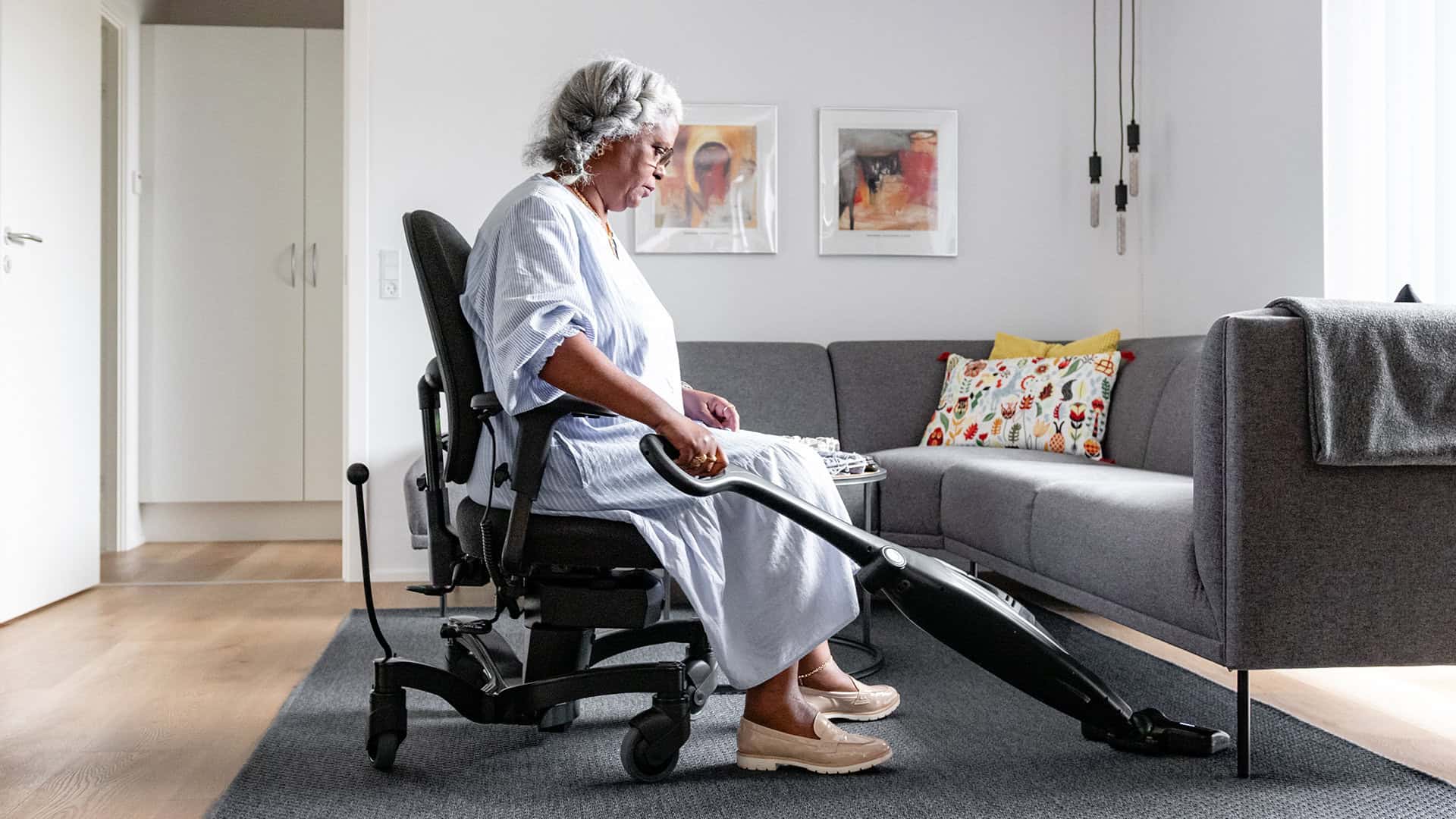
For seniors wishing to prolong their independence at home, solutions like the VELA Chair offer a practical alternative to moving into a nursing home. With features such as an electric height adjustability and a central brake for increased safety, VELA Chairs enable secure movement around the house. This reduces the risk of falls, making daily activities like cooking or dressing manageable without the constant need for assistance. By alleviating the physical strain often placed on family caregivers, this seating solution can delay the transition to a full-time care facility, emphasizing dignity and enhancing quality of life. While VELA Chairs are not the only option available, they are a proven, practical solution that addresses essential mobility and safety concerns for aging in place. Fall Prevention for Seniors.