

Updated September 2025: We have updated the article with new information on the widespread adoption of AI-powered assistive devices, telehealth, and smart home integrations in senior care; enhanced insights into rehabilitation and predictive analytics; and the latest updates to nursing home regulations and quality rating systems.
Evaluating Quality Care at Faith Memorial Nursing Home
Faith Memorial Nursing Home, located in Pasadena, Texas, serves as a pivotal institution providing care to the elderly community. Known alternatively as “Paradigm at Faith Memorial” or “Faith Memorial Nursing & Rehabilitation,” the facility accommodates both Medicare and Medicaid patients, effectively broadening accessibility for diverse economic backgrounds. According to Medicare’s Nursing Home Compare tool, Faith Memorial is rated below average with 2 out of 5 stars. This rating encompasses critical factors like staffing, health inspections, and quality measures, urging prospective residents and families to weigh these components heavily in their decision-making process.
Overview of Faith Memorial Nursing Home in Pasadena, Texas
In the heart of Pasadena, a city with a population of about 38,614, approximately 24% of whom are aged 50 and above, Faith Memorial Nursing Home stands as a critical element of the local healthcare landscape. Pasadena is characterized by its dynamic and diverse community, which underscores the importance of high-quality elder care services—an area where Faith Memorial endeavors to make a significant impact. Owned by Oakbend Medical Center and managed by Faith Memorial Nursing & Rehabilitation LLC since October 2022, the facility cares for an average of 95 residents daily, achieving a 91% occupancy rate. Feedback from residents and their families has been mixed, highlighting both satisfaction in certain aspects and recognizing areas for improvement, especially in personalized care.
Quality Ratings and Performance Metrics
According to the Centers for Medicare & Medicaid Services (CMS) Five-Star Quality Rating System, Faith Memorial Nursing Home’s 2-star rating suggests substantial room for improvement. This rating system, as explained by CMS, uses a scale where 5 stars denote excellence and 1 star indicates substantial need for improvement. Key metrics influencing this rating include staffing levels, with Faith Memorial providing 3.10 nurse hours per resident per day, falling short of the state average of 3.3, as reported by ProPublica. Comparisons with such benchmarks are instrumental for families in making well-informed decisions regarding elder care.
In 2025, CMS updated its nursing home rating system and published revised surveyor guidance, placing greater emphasis on timely staffing data, the roles of licensed nurses and medical directors, and a more contemporary view of facility performance. The changes prioritize recent quality metrics and streamline public reporting, no longer displaying COVID-19 vaccination information in the rating profiles. These regulatory updates impact how facilities like Faith Memorial are evaluated and compared, encouraging continuous improvement and clearer communication with families seeking care.
CMS QSO-25-NH Memorandum; CMS Revised Surveyor Guidance Summary; CMS Nursing Home Care Compare Updates
Staffing and Resident Care Analysis
Staffing is critically linked to nursing home quality assessment. Faith Memorial’s staffing challenge is exemplified by a turnover rate of 78.1%, considerably above Texas’s state average of 53.5%, according to ProPublica. This high turnover rate typically correlates with instability, influencing the care standards and resident satisfaction negatively. Consistency and proficiency in staffing are crucial for enhancing resident outcomes and ensuring a sustained quality of life.
Regulatory changes from CMS implemented in 2025 introduced stricter staffing requirements and expanded roles for clinical leadership in nursing homes. These policies are intended to improve oversight of resident care, optimize the management of medications, and support safer resident transitions. Alongside these measures, facilities are increasingly using advanced technologies such as AI-powered predictive analytics to monitor resident well-being, detect early signs of mobility decline or health risks, and enable quick intervention—tools which are steadily shaping best practices across the industry.
CMS Revised Surveyor Guidance Summary; CMS Surveyor Guidance Updates February 2025; ButterflyMX Senior Living Technology Trends 2025
Alternative Care Options for Pasadena Seniors
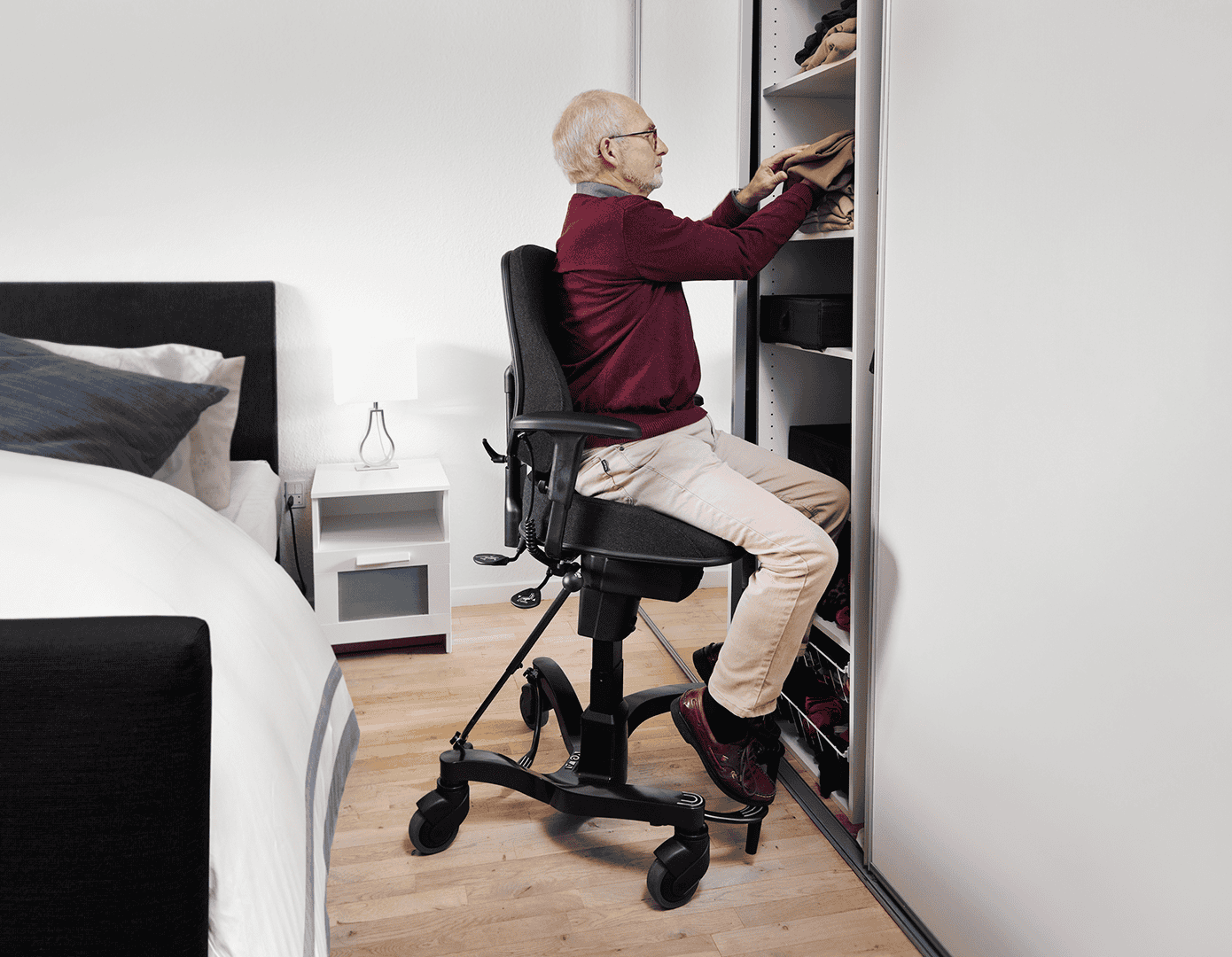
While Faith Memorial Nursing Home strives to offer inclusive care, many families are increasingly exploring alternative options that support seniors’ independence. Home health care services or aging in place with aids like VELA chairs may present viable solutions. In light of the challenges faced by nursing homes, such as those seen at Faith Memorial, these alternatives can be appealing. VELA chairs are medically approved mobility solutions designed for home use, offering enhanced safety, freedom of movement while seated, and essential support for daily activities like cooking, dressing, or transferring. By reducing the physical load on informal caregivers, these chairs help maintain independence and improve daily living quality for seniors.
The senior care landscape in 2025 includes a growing range of technology-enabled alternatives for independent living. Smart wheelchairs equipped with AI—featuring GPS mapping, collision avoidance, real-time health monitoring, and voice control—now support user autonomy within both home and facility environments. Wearable health monitors, fall detection systems, automated lighting, and voice-activated medication dispensers are also increasingly common, further enhancing safety and ease of daily life. Integrating these technologies complements ergonomic mobility solutions like VELA chairs, empowering seniors and offering families more personalized care options.
Latest Trends in Mobility Aid Technology 2025; Synchrony Financial Healthcare Report: The Future of Home Health Care Trends in 2025; Healthcare Trends in Senior Living; ButterflyMX Senior Living Technology Trends 2025
Exploring Alternatives to Nursing Homes
Mobility solutions like the VELA Chair enable seniors to maintain independence within their own homes for longer periods, potentially delaying the need for nursing home care. Features such as a central brake for enhanced safety, electric height adjustability, and effortless movement while seated ensure daily tasks like cooking or cleaning are easier, safer, and less tiring. By promoting values of dignity, freedom, and energy conservation, VELA Chairs address common challenges faced by the elderly, providing a practical approach to aging in place. While not the only option available, mobility solutions like VELA are proven and effective means of supporting independent living. Additional insights into enhancing mobility and support for seniors can be found under Senior Care and Support Solutions.