

Updated September 2025: We have updated the article with the latest findings on AI-powered assistive technologies, smart mobility aids, wearable health monitors, telehealth, and current regulatory trends affecting nursing home care and independent living solutions.
Falcon Lake Nursing Home: A Comprehensive Guide for Families
Exploring Falcon Lake Nursing Home: A Community Staple in Zapata, TX
The Falcon Lake Nursing Home is a vital healthcare facility situated at 200 Carla Street in Zapata, Texas. At the center of the community, it serves around 35 residents daily, providing essential care for the elderly. Despite holding a 1/5 star rating on Medicare’s Care Compare, as noted by Medicare.gov, it remains a primary choice for local families seeking comprehensive care under both Medicare and Medicaid programs. Founded to meet the needs of an aging population, this facility has been a reliable presence, offering a variety of services such as routine, inpatient, and respite care. According to Laredo Times, the ownership and operations of the facility are often discussed in community news, stressing the importance of prospective residents and their families making well-informed decisions.
Understanding Services and Costs at Falcon Lake Nursing Home
Falcon Lake Nursing Home provides essential services critical to the elderly community. Despite its low Medicare rating, it serves as an important resource. ProPublica details the range of care offered, which includes short-term and long-term care, routine medical care, and respite services designed to provide temporary relief for family caregivers. One can expect costs that are in line with the broader Texas averages but potentially lower given the local cost of living. According to Genworth state data, families should anticipate expenditures typically ranging from $5,125 to $6,388 monthly for nursing care services in Texas.
Navigating the Future: Trends and Challenges for Texas Nursing Homes
Moving toward 2025, Texas nursing homes, including Falcon Lake, face various industry trends and challenges. Staffing shortages are a primary concern, compounded by changes in Medicare payment structures. As reported by CMS, a recent 4.2% Medicare payment increase aims to support facilities. Meanwhile, occupancy rates are growing steadily after the COVID-19 pandemic, presenting both opportunities and challenges, as stated by NIC. Falcon Lake Nursing Home, like many others, must focus on enhancing operational efficiency to meet these rising demands.
Newer trends in senior care emphasize the integration of advanced assistive technologies to improve safety, independence, and overall quality of care. Facilities are increasingly adopting AI-powered smart wheelchairs equipped with GPS navigation, collision avoidance systems, and voice control, which promote resident autonomy. Wearable health monitors and sensor-enabled mobility aids are also being introduced, enabling the real-time tracking of vital signs and proactive fall prevention strategies.1 2 3 4
Smart home integrations such as automated lighting, voice-activated assistants, smart locks, and medication dispensers are supporting daily routines and minimizing fall hazards, often with less direct intervention from caregivers.5 Telehealth and remote health monitoring are becoming standard, facilitating virtual medical consultations and continuous medical oversight without the need to leave the care environment. Regulatory attention in 2025 also increasingly focuses on managing AI ethics, privacy, and resident safety in the deployment of these evolving technologies, with states actively developing standards for their responsible use.6 7
Making the Right Choice: Local Insights for Nursing Home Selection
Selecting a nursing home requires careful consideration of various factors to ensure it meets the needs of your loved one. Key considerations include evaluating the quality of care, reviewing ratings, and understanding daily routines. Asking specific questions like “What is the staff-to-resident ratio?” or “How are medical emergencies handled?” is crucial. Additional insights can be found in the Senior Service Directory, and Data USA provides demographic context to aid these assessments.
In light of current industry trends, families may wish to inquire about the adoption of AI-powered mobility solutions, wearable health monitors, and opportunities for telehealth support to help ensure the highest level of safety and individualized care for residents.
Supporting Independence at Home: A Natural Transition
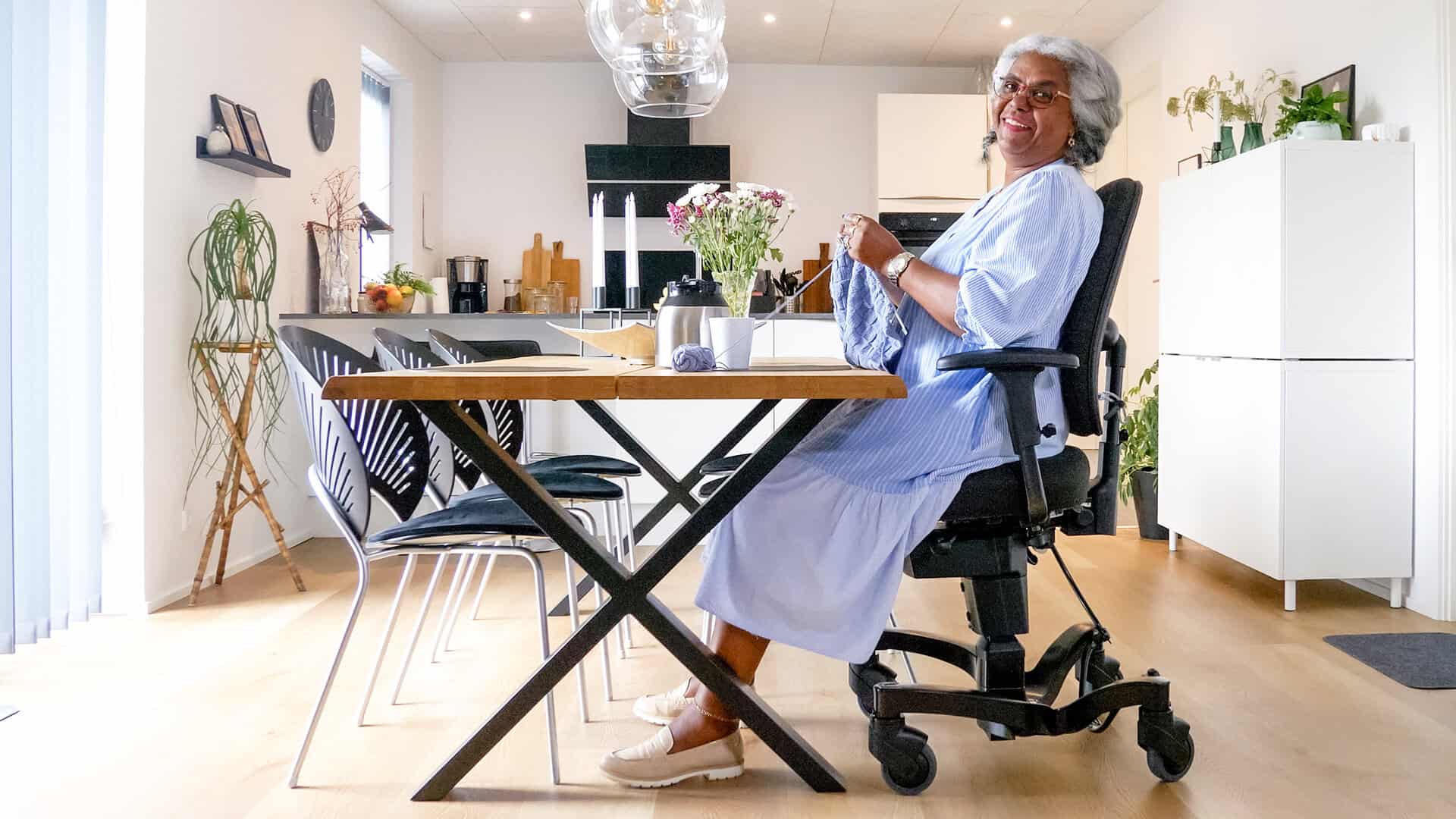
Considering the challenges nursing homes face, such as staffing and changing payment structures, many families explore ways for seniors to remain independent in their homes longer. Recent advancements in assistive technology—including smart wheelchairs with GPS and voice control and sensor-embedded mobility aids—are enhancing safety and autonomy at home.4 Wearable health monitors support real-time vital sign tracking and early detection of fall risks, while smart home systems (automated lighting, voice assistants, smart locks) are designed to reduce hazards and support daily living.2 VELA Mobility Chairs and similar chairs offer features like central brakes and electric height adjustment, providing safety and freedom of movement. These solutions help seniors manage daily activities with less reliance on caregivers, making independent living more achievable.
Supporting Aging in Place: A Practical Option
Seniors aiming to delay or avoid nursing home admission can greatly benefit from innovative mobility solutions. VELA Chairs offer a unique way to enhance independence by addressing common challenges such as safety and energy conservation. With features like a central brake for stability and electric height adjustability for ease during transfers, these chairs provide vital support for everyday tasks. The ability to move freely and confidently within one’s own home can significantly prolong independent living, instilling a sense of dignity and maintaining a higher quality of life. While the VELA option is just one of many, it represents a proven choice for those seeking practical, effective methods to manage aging in place. Smart home assistive devices, wearable monitors, and remote health support now offer additional means to support safety and daily routines in 2025.5 Explore more about safety strategies like VELA Chairs for Fall Prevention.