

Updated September 2025: We have updated the article to include new advances in AI-powered assistive technologies, recent CMS regulatory guidance affecting nursing homes, and the growing integration of telehealth, predictive analytics, and robotic aids in senior care. These updates reflect trends and innovations relevant to mobility solutions and quality of care in Florala, Alabama.
Overview of Nursing Homes in Florala, Alabama
Florala, Alabama, nestled near the state line, presents a distinctive context for senior care due to its unique demographics and community needs. Florala, with its small population of about 1,841 residents and a median age of 44.2 years, encapsulates the growing demand for elder care services tailored to an aging population. The median household income of $34,857 sheds light on economic considerations influencing long-term care decisions, a crucial factor when selecting facilities such as Florala Health and Rehabilitation LLC. According to Data USA, these demographics underscore community dynamics integral to care provision.
Florala Health and Rehabilitation LLC: Ratings, Services, and Costs
Florala Health and Rehabilitation LLC stands as a key provider in the local arena, recognized for its extensive services. The facility boasts 85 certified beds with an average daily residency of 75, highlighting its pivotal role in local healthcare. According to Medicare.gov, staff allocation slightly exceeds Alabama’s average, with 3.96 nurse hours per resident per day, a notable factor for assessing care levels.
Prospective residents should note recent inspection delays and the facility’s for-profit operation under NHS Management, detailed by ProPublica Nursing Home Inspect. The monthly costs, ranging from $5,834 to $6,537, mirror state trends, where facilities operate at around 76.5% capacity, as reported by CareListings.
What to Expect: Quality, Staffing, and Resident Experience
Comprehending the operational mechanics of a nursing home is vital for informed decision-making. Florala Health and Rehabilitation LLC’s staffing—though above average—faces a 57% nurse turnover, raising concerns about care continuity and resident experience. According to ProPublica Nursing Home Inspect, turnover rates significantly affect patient care, emphasizing the need for families to prioritize stability in nursing staff when evaluating facilities.
In addition to operational challenges, recent instances of racial discrimination within the facility, highlighted by Nursing CE Central, necessitate a comprehensive assessment of inclusivity and diversity policies. These reports underscore the importance of thorough research into resident experiences, ensuring alignment with personal and ethical standards.
Recent Advances in Nursing Home Technology and Regulatory Standards
Nursing homes nationwide, including those in Florala, are experiencing pivotal changes driven by technological innovation and updated regulatory standards. As of April 2025, new CMS surveyor guidance places increased emphasis on health equity, medication management—particularly in relation to psychotropic drugs—stricter staffing levels, and enhanced resident rights regarding transfers, discharges, and overall quality assurance. Sandberg Phoenix, Hall Render, The Consumer Voice. Facilities are actively incorporating these requirements to enhance transparency and safety in care delivery.
Simultaneously, there is a marked trend towards adopting advanced assistive and monitoring technologies. Smart wheelchairs now feature GPS navigation, collision avoidance, and real-time health monitoring through AI-driven applications, providing users with greater independence and safety. Wearable devices increasingly support vital sign monitoring and fall detection, allowing more proactive interventions in both clinical settings and home environments. Predictive analytics powered by AI track resident mobility and behavior patterns, enabling earlier responses to health risks and facilitating earlier rehabilitation efforts. Additionally, robotic companions and socially assistive robots are being utilized to support cognitive health and offer emotional engagement for residents. Everything Medical Online, ButterflyMX, Synchrony Florida, Harvard Business Review Health Care.
Exploring Alternatives to Traditional Nursing Homes in Florala
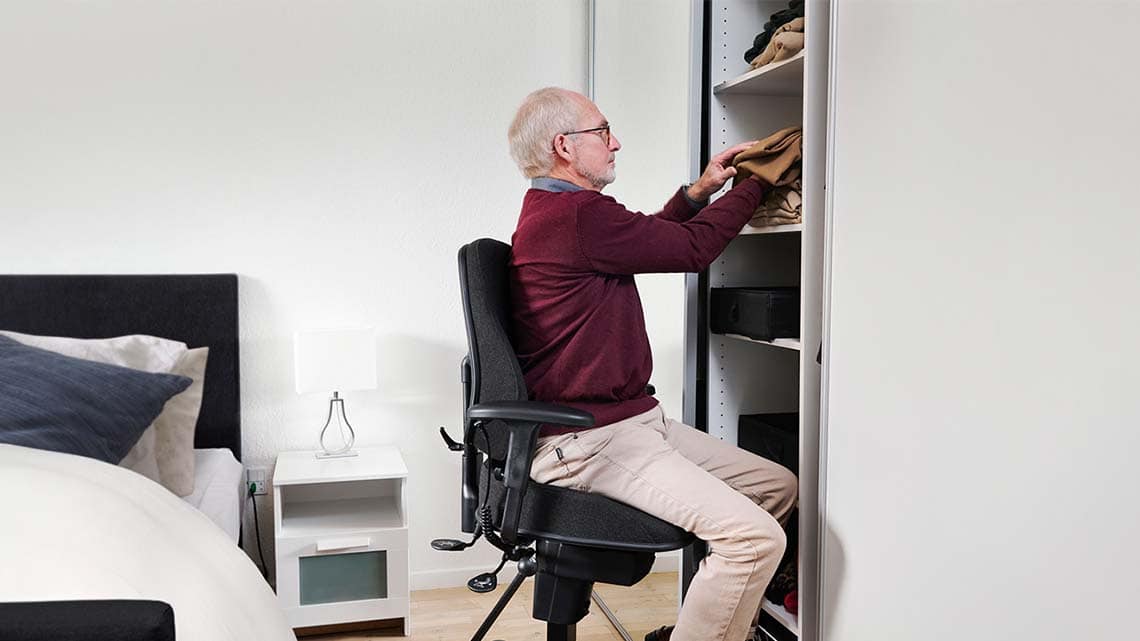
In light of the challenges associated with traditional nursing homes, families might consider home-based solutions as a feasible option for maintaining independence. Adaptive equipment and mobility aids like the VELA Independence Chair offer practical advantages by allowing seniors to remain in their familiar home environments, thereby enhancing both freedom and safety. The VELA Chair is a medically approved mobility chair specifically designed for home use, providing not only enhanced safety and freedom of movement while seated but also crucial support for daily activities such as cooking, dressing, and transferring. This ensures a reduced burden on informal caregivers while promoting an enduring quality of life for seniors.
Recent advances mean that home-based senior care is further supported by telehealth services, connected smart home systems, and remote monitoring tools that allow healthcare professionals and caregivers to track safety and health trends in real time. This integration of technology positions home living as an increasingly viable and attractive option compared to institutional care, with a focus on dignity, autonomy, and early intervention through digital tools. ButterflyMX, Harvard Business Review Health Care.
Staying Independent at Home with Support
For seniors and their families in Florala, the idea of aging in place presents a viable alternative to nursing home care. Innovations such as the VELA Independence Chair significantly contribute to this approach by supporting prolonged independence at home. The chair’s features like a central brake for enhanced safety, electric height adjustability, and easy maneuverability while seated cater to fundamental needs such as preventing falls and conserving energy during activities like cooking or cleaning. By incorporating such versatile solutions, many seniors may delay the need for nursing home care, consequently preserving their dignity and autonomy. Although the VELA Chair is one of many helpful tools, its proven efficacy makes it a practical consideration for those committed to maintaining quality of life while reducing caregiver strain.