

Updated September 2025: We have updated the article with the latest trends on advanced assistive technologies and smart health devices in rehabilitation, recent regulatory and inspection changes for nursing homes, updated behavioral health management guidelines, and growing emphasis on person-centered, holistic care environments.
Exploring Fondulac Rehabilitation & Health Care Center: An In-Depth Look
Fondulac Rehabilitation & Health Care Center, based in East Peoria, IL, has become a focal point for families seeking nursing home care solutions. Owned by Petersen Health Care, this establishment aims to support the local community’s needs. However, its overall 1-star rating from Medicare.gov Care Compare raises important questions about the quality of care provided, posing significant concerns for family members and healthcare professionals.
Understanding Fondulac’s Role in the Community
Fondulac Rehabilitation & Health Care Center serves as a crucial asset in East Peoria, providing necessary services to the elderly population and their families. Located at 901 Illini Drive, this for-profit institution features 98 certified beds, approximately 61.3 of which are occupied daily, marking an occupancy rate of around 62.34% (Peoria Standard). This operational scale is vital in catering to the elderly care demands within a community of approximately 25,268 residents.
Assessing Fondulac’s Quality of Care
The 1-star rating from Medicare.gov Care Compare signals areas needing improvement, especially when juxtaposed with state averages. One salient issue is staffing; the center provides only 2.48 nurse hours per resident daily, falling short of the state average of 3.4 hours (ProPublica Nursing Home Inspect). High nurse turnover rates, such as a 55.9% turnover compared to the state average of 48.6%, further exacerbate the difficulties in delivering personalized care.
Health and Safety at Fondulac: A Closer Look
Health inspections have highlighted multiple deficiencies at Fondulac, with infection control issues being particularly scrutinized. According to data from ProPublica Nursing Home Inspect, the facility has 50 deficiencies, six related to infections. These deficiencies bring critical concerns about regulatory compliance and the safety and well-being of residents. Financial penalties totaling $109,686 further stress the urgency of operational enhancements needed at Fondulac (Peoria Standard).
Recent regulatory trends indicate a continued focus on infection control, resident safety, and patient rights to self-determination. There has been increased oversight and tighter inspection protocols, resulting in ongoing identification of deficiencies for facilities such as Fondulac (ProPublica Nursing Home Project; Justice in Aging). There is also a shift in regulatory scrutiny regarding the use of psychotropic drugs in skilled nursing facilities, now frequently assessed for potential misuse as chemical restraints (Skilled Nursing News).
Exploring Care Alternatives in East Peoria
For those exploring options beyond Fondulac, East Peoria offers several alternatives. In evaluating these options, families must weigh costs and how well each alternative aligns with their loved one’s needs. Home-based care is becoming increasingly popular owing to the comfort and customized care schedules it offers. In addition, it significantly lowers the infection risk—a noted issue at Fondulac—making it a compelling alternative.
Given concerns like those at Fondulac Rehabilitation & Health Care Center, families may consider home-based care supported by specialized equipment as a viable option. This approach can foster greater independence for older adults within their residences, reducing reliance on facilities with understaffing issues and deficiencies. Innovative solutions in this realm now extend beyond traditional aids and include advanced assistive devices such as smart health technologies and AI-assisted care plans (Shepherd Premier Senior Living). These technologies provide real-time monitoring, support movement, enhance fall prevention, and help to personalize rehabilitation for people with reduced mobility.
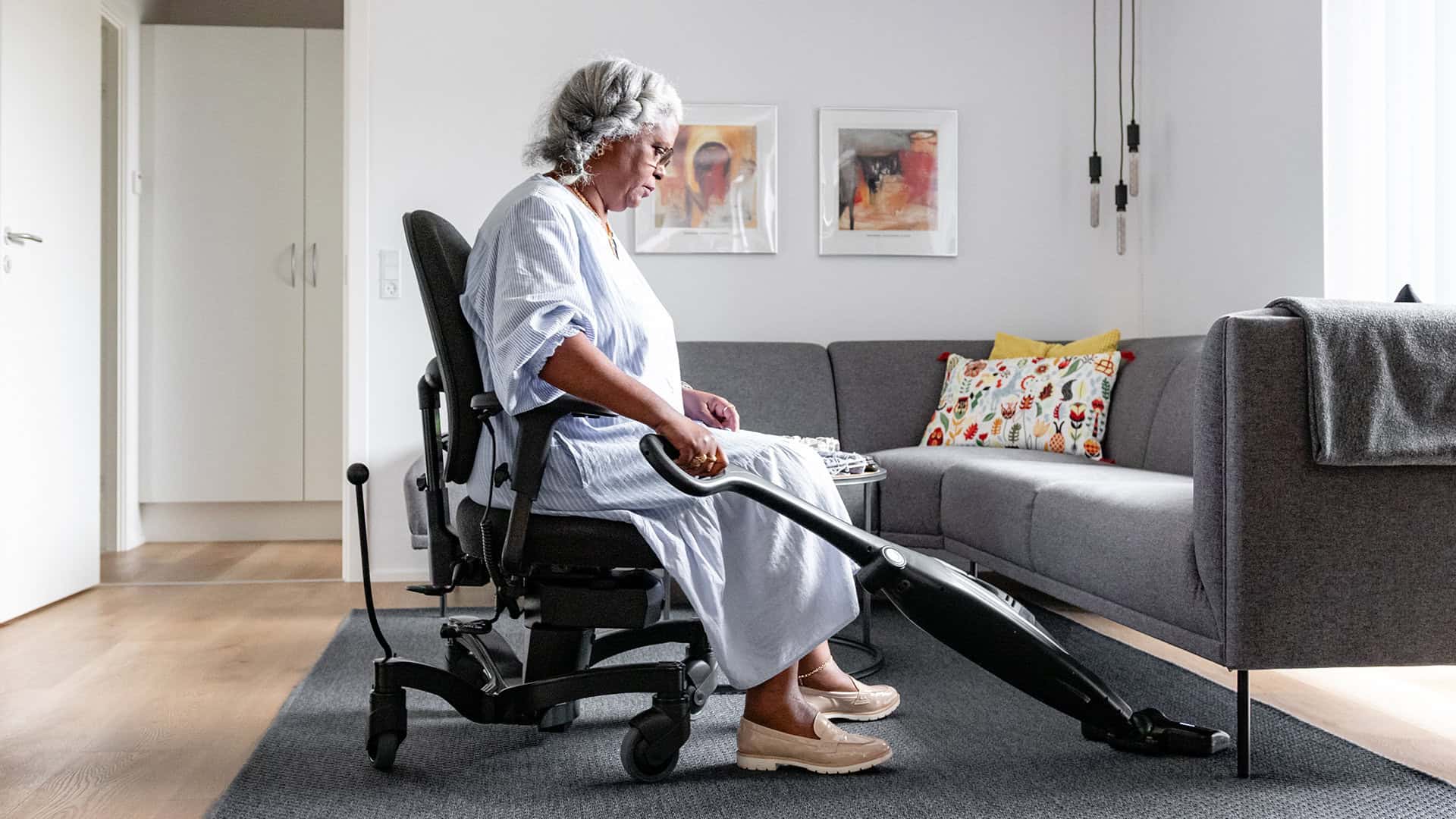
One practical solution is the VELA chair, a medically approved mobility aid designed for at-home use. This chair enhances safety by offering a central brake system, promotes freedom of movement while seated, and supports various daily activities—diminishing caregiver burden and potentially improving quality of life. Features like electric height adjustment even aid activities like cooking or dressing, helping seniors remain active and independent in their own homes, contrasting with the limited mobility often experienced in formal care settings.
Staying Independent at Home with Support
For individuals seeking to maintain their independence longer, the addition of VELA Chairs to a home care setup can make a significant difference. With features like a central brake system for enhanced safety, these chairs ensure stability during daily tasks, such as cooking and cleaning. The electric height adjustability empowers users to reach items or position themselves comfortably, reducing the strain of transfers. These mobility solutions not only promote freedom and safety but also conserve energy, allowing seniors to participate more fully in their daily routines. The adoption of smart, personalized devices supports a wellness-oriented design in home environments, aligning with new trends in both health care facilities and residential care (Shepherd Premier Senior Living).
By using VELA Chairs and related technology, families may find that their loved ones can enjoy the dignity of remaining at home longer, delaying the need for nursing home care. While not the only solution, VELA offers a practical option for those aiming to support elderly family members in a familiar and comforting environment, nurturing their well-being with innovative seating solutions that complement new holistic and person-centered approaches to senior care.
Sources:
- Shepherd Premier Senior Living (2025) – Healthcare and rehab facility trends, smart devices, and holistic care approaches
- ProPublica Nursing Home Project (2025) – Fondulac Rehabilitation federal inspection reports and deficiency data
- Justice in Aging (2024) – Common nursing home problems; anti-psychotic medication alternatives and resident rights
- Skilled Nursing News (2025) – Behavioral health, regulatory landscape, reimbursement challenges
- WGLT.org (2024) – Illinois regional nursing home financial and foreclosure news affecting care providers