

Updated September 2025: We have updated the article with the latest advancements in senior care, including AI-powered predictive analytics, smart assistive mobility devices with IoT connectivity, expanded telehealth services, smart home technologies for enhanced safety and independence, and emerging regulations focused on privacy and security in healthcare technologies.
Overview of Forest Haven Nursing and Rehabilitation Center
Situated in the tranquil setting of Catonsville, Maryland, Forest Haven Nursing and Rehabilitation Center stands out as a prominent facility at 701 Edmondson Avenue. This center is designed to cater comprehensively to the varied needs of its residents. According to Medicare.gov, Forest Haven boasts 167 certified beds and typically accommodates around 129 residents daily, allowing for personalized care and attention. As a for-profit nursing facility, Forest Haven excels in offering skilled nursing, short- and long-term care, as well as specialized rehabilitation services, making it a versatile option for seniors in need of comprehensive care according to SNFData.
Quality Ratings and Performance Metrics
Understanding the quality of care at Forest Haven requires a detailed exploration of the CMS Five-Star Quality Rating System, a trusted standard used nationwide to assess nursing homes. The ratings involve a thorough evaluation of health inspections, staffing levels, and various quality measures. According to ProPublica Nursing Home Inspect, the facility currently reports 3.00 nurse hours per resident per day, which falls short of Maryland’s state average of 3.8. Despite maintaining a relatively low nurse turnover rate of 22.1%, the facility has accrued penalties amounting to $339,000, indicating certain challenges in maintaining consistent service delivery.
A particularly concerning issue is that the last standard inspection occurred over two years ago, significantly exceeding the expected interval of 9-15 months, raising questions about the facility’s commitment to proactive compliance. This information is verified by CMS.gov.
Ownership and Management Structure
The ownership and management dynamics at Forest Haven play a critical role in shaping the facility’s operations. As reported by ProPublica Nursing Home Inspect, it is owned by Maryland Long Term Care LLC, with indirect ties to Hunt Valley Holdings LLC, Fundamental Healthcare, and other associated entities. This complex ownership structure influences strategic decisions impacting resident care quality, staffing provisions, and the general upkeep of the facility.
Resident Care and Services
Forest Haven is committed to a multi-dimensional approach to resident care, offering a broad spectrum of services that encompass skilled nursing and specialized rehabilitation programs. These services are designed to address an extensive range of health needs, supporting residents with essential daily activities and tailored interventions aimed at recovery and improved well-being. Prospective residents and their families are encouraged to review CMS ratings and conduct site visits to ascertain the appropriateness of the facility for individual needs.
Integrating advanced technologies for improved care
Recent advancements in assistive technology and healthcare solutions are transforming the experience of residents in nursing and rehabilitation centers. Facilities are increasingly adopting AI-powered predictive analytics systems that continuously monitor behavioral and physiological data. These systems help anticipate health risks—such as falls or mobility decline—enabling staff to intervene proactively and personalize care for each resident.
In addition, smart mobility aids, including wheelchairs and walkers equipped with GPS, collision avoidance, voice control, and real-time health monitoring, can be found in progressive centers. These devices adapt to user behavior, provide additional safety, and allow for remote customization by caregivers, supporting greater independence and mobility for residents.
Telehealth services have become a permanent part of senior care, allowing residents to consult with clinicians remotely and receive continuous health monitoring without the need for frequent hospital visits. Smart home features, such as voice-activated assistants, automated lighting, door access, and fall detection systems, further enhance daily safety and ease of living for those with limited mobility. The integration of these technologies reflects Forest Haven’s effort to keep pace with industry trends that prioritize both safety and personalized attention in long-term care settings.
As AI and connected technologies become integral to resident care, regulatory focus on data privacy, security, and transparency is also increasing, aimed at ensuring ethical and equitable use of emerging healthcare solutions.
Solutions for Independence at Home
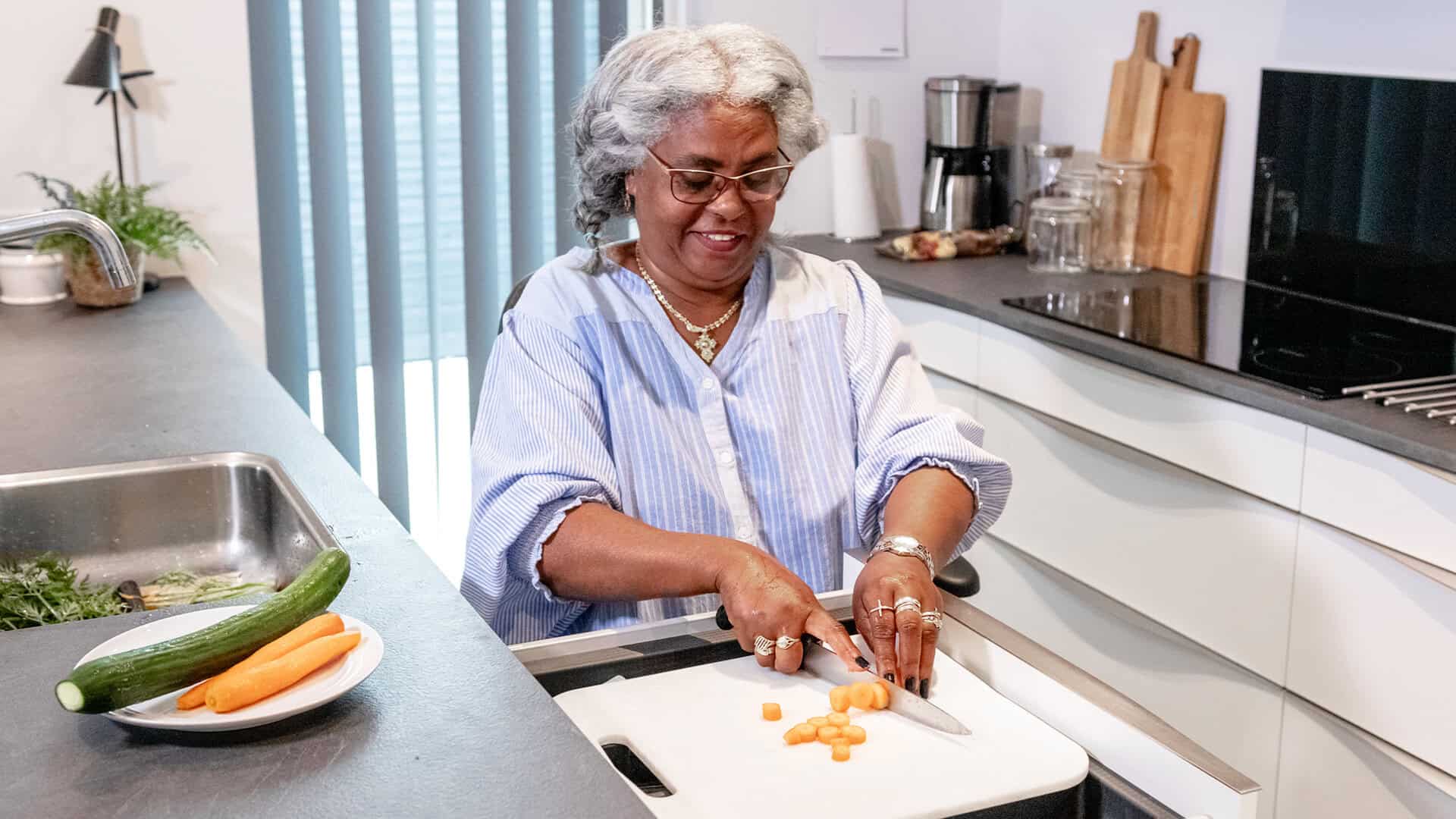
While some families might face challenges related to staffing and inspection frequencies in nursing homes, others explore supportive options that can help older adults maintain their independence at home. One such option is the VELA Independence Chair, a medically approved mobility chair designed for home use. This chair significantly enhances safety and freedom of movement while seated, providing crucial support for daily activities like cooking, dressing, or transferring. It also reduces the burden on informal caregivers by offering features that promote personal autonomy.
Home-based care is benefitting from the broader adoption of smart technology. Voice-activated assistants, remote health monitoring devices, smart lighting, and automated locking systems contribute to enhanced safety and independence in daily life for aging individuals who wish to age in place. These changes not only improve comfort but also foster confidence and autonomy for both users and caregivers.
Supporting Aging in Place: A Practical Option
Exploring alternatives to traditional nursing home care, like the use of mobility solutions, can significantly impact a person’s ability to remain independent at home. The VELA Independence Chair incorporates features such as a central brake for safety, electric height adjustability, and ease of movement while seated, effectively supporting activities like cooking and dressing. These features address common challenges faced by seniors, such as the risk of falls and the need for assistance with transfers, potentially delaying the necessity of nursing home admission. With its ability to enhance safety and conserve energy, the VELA Chair promotes dignity, freedom, and well-being in daily life, showcasing how thoughtful design can help seniors thrive at home. While not the sole solution, it stands out as a proven, practical option for those aiming to age in place.
In light of recent developments, wearable robotics, advanced biomaterials, and AI-enabled monitoring tools are enhancing rehabilitation and ergonomic support solutions, creating more individualized and adaptable options for users with disabilities at home.
References and Further Reading
- Synchrony Florida: The Future of Home Health Care: Trends to Watch in 2025
- ButterflyMX: Senior Living Technology Trends 2025
- Harvard Business Review Health Care Blog: The Future of Senior Living: Trends to Watch in 2025
- Everything Medical Online: The Latest Trends in Mobility Aid Technology for 2025
- UnitedHealthcare Community & State: How Enabling Technology is Transforming Home-Based Care
- iHealthcareAnalyst.com: Geriatric Assistive Devices Market: Trends, Technologies & Outlook
- Skilled Nursing News: Top Skilled Nursing Trends for 2025