

Updated September 2025: We have updated the article to reflect new federal nursing home regulations effective in 2025, including enhanced staffing requirements, stricter oversight of psychotropic medication use, revised five-star rating criteria, and new mandates on health equity and care quality improvements. Key trends in assistive technology and rehabilitation have also been added, aligned with recent CMS guidance.
Forest Oaks Nursing Home: An Overview of Forrest Oakes Healthcare Center
When searching for a nursing home in North Carolina, particularly one thought to be “Forest Oaks Nursing Home,” it is likely that individuals are seeking information about the Forrest Oakes Healthcare Center in Albemarle, North Carolina. This facility, located at 620 Heathwood Drive, accommodates numerous seniors with its 60 certified beds, maintaining a high occupancy rate of 91.7%. However, it’s important for prospective residents and their families to be aware that it is a Special Focus Facility (SFF) candidate, suggesting heightened federal scrutiny due to persistent quality issues. According to Medicare.gov, this designation indicates the necessity for careful evaluation of the facility’s services before making a decision.
Insight into Forrest Oakes Healthcare Center
Situated in Albemarle, a key community within Stanly County, North Carolina, Forrest Oakes plays an integral role in the local healthcare infrastructure. As a for-profit entity, it balances providing care with the demands of financial viability. Albemarle itself is a small city serving roughly 16,000 residents, where the demographic necessitates careful resource allocation to meet the needs of the aging population effectively. According to ProPublica’s Nursing Home Database, Forrest Oakes provides 2.95 nursing hours per resident per day compared to the state average of 3.8 hours, alongside a notably high nurse turnover rate of 53.8%. These figures suggest operational challenges, signaling a need for careful assessment by those considering admission. Recent federal updates have strengthened requirements for 24-hour licensed nursing coverage and the use of real-time staffing compliance monitoring through Payroll-Based Journal (PBJ) data, which is increasingly central to evaluating quality and regulatory adherence at facilities like Forrest Oakes.[2]
Evaluating Quality and Compliance at Forrest Oakes
Quality of care is a crucial metric at Forrest Oakes, especially due to its status as a Special Focus Facility candidate, a program outlined by the Centers for Medicare & Medicaid Services (CMS) that monitors facilities with repeated quality challenges. Recent inspection reports have highlighted various deficiencies, underscoring the need for vigilant oversight. The staffing levels at Forrest Oakes fall below the state average, leading to concerns about resource allocation and potential implications for resident care. From July 2025, the CMS has updated the Five Star rating methodology, placing a greater emphasis on recent inspection cycles, which may impact public ratings based on the latest site performance.[4] Enhanced oversight now extends to psychotropic medication practices, focusing on preventing unnecessary sedation and ensuring medications are only used when clinically appropriate.[6] In alignment with new CMS guidance, facilities are also mandated to analyze disparities in outcomes based on race, socioeconomic status, and language, to support equitable care quality improvements.[2]
Resident Life and Services at Forrest Oakes
Forrest Oakes offers a spectrum of services catering to both short-term rehabilitation and long-term care needs. The quality of communal living directly impacts residents’ quality of life. According to North Carolina State Health Department data, resident satisfaction reports are mixed, with certain areas receiving praise and others identified as requiring improvement. While no distinctive specialty programs have been singled out, incorporating such offerings could enhance Forrest Oakes’s appeal compared to other local nursing homes. Across the industry, there is an increasing emphasis on the use of smart mobility aids and personalized ergonomic rehabilitation tools that support active aging and boost independence.[3] Though specifics at Forrest Oakes have not been detailed, the trend towards adopting such assistive technologies is rising among nursing facilities.
Navigating Costs and Exploring Alternatives to Traditional Nursing Homes
The cost of nursing home care in North Carolina generally ranges from $6,000 to $8,500 per month, contingent upon the required level of care. Detailed financial planning is essential, as Medicare and Medicaid financing options can significantly influence cost structures. According to Elder Guide, understanding these financial dynamics is pivotal for decision-making. Simultaneously, evaluating alternatives for nursing home placements is advisable for families and seniors.
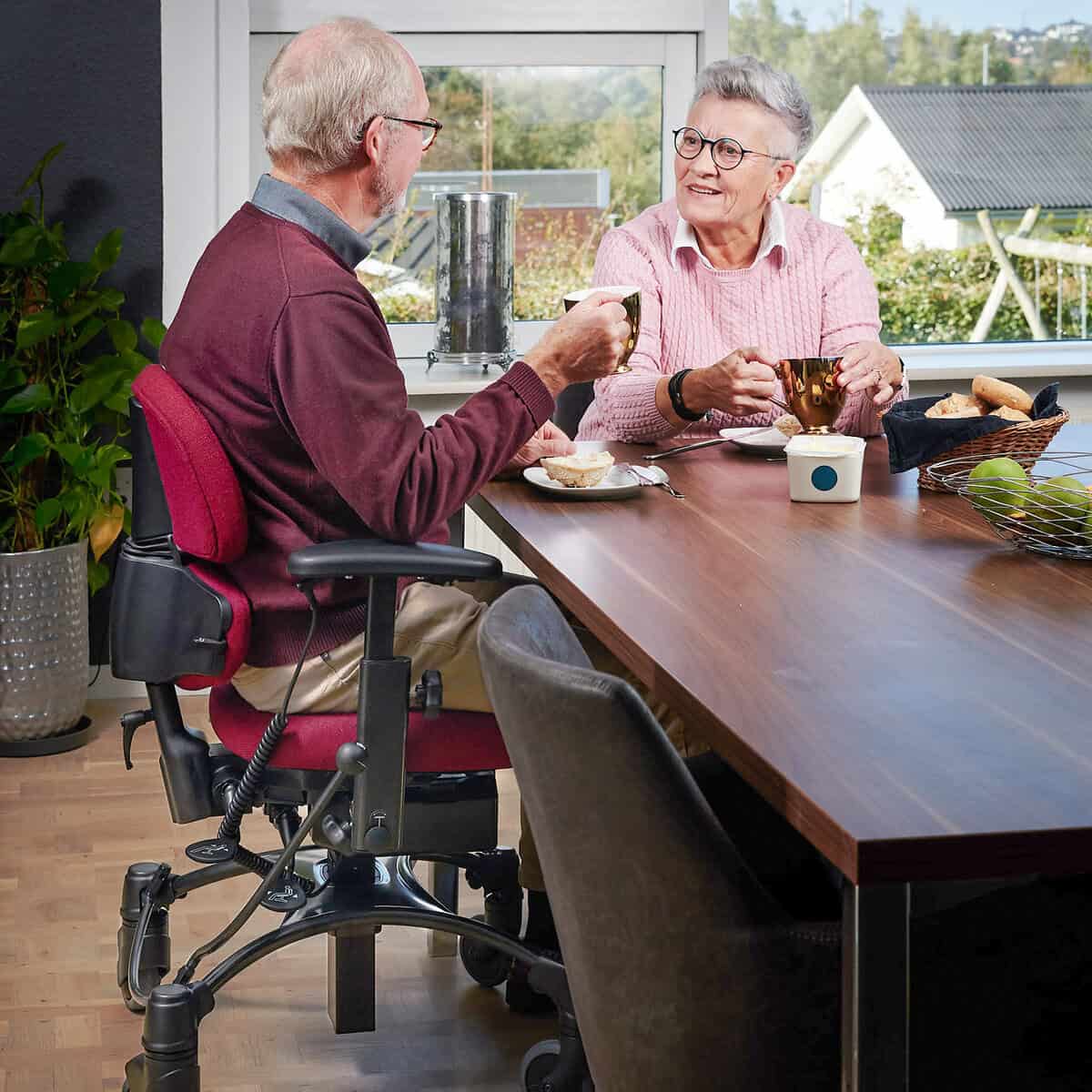
As families and seniors consider the extensive care challenges found in facilities like Forrest Oakes, there is growing interest in solutions that allow older adults to maintain independence in their own homes. Mobility aids such as the VELA Independence Chair are becoming important allies in this pursuit. The VELA Chair is a medically approved mobility device designed to enhance safety and facilitate freedom of movement while seated. It supports daily activities such as cooking, dressing, and transferring, helping to decrease the workload on informal caregivers, all while contributing to a dignified and independent lifestyle. The broader care industry is now prioritizing devices and tools that promote active aging and ergonomic support, in line with modern best practices.[5] Through strategies like these, older adults can potentially delay the need for full-time residential care.
Understanding Your Options
When considering Forrest Oakes Healthcare Center, it is vital to maintain open communication with the administration to comprehend the facility’s regulatory hurdles fully. Simultaneously, it’s essential to assess traditional nursing home care against modern alternatives that promote independence, such as age-friendly home adaptations and mobility aids. By weighing these options, you can empower your loved ones to live comfortably, either within a community like Forrest Oakes or by embracing the independence associated with aging in place.
In summary, prospective residents should align their choices with a comprehensive understanding of available care options, prioritizing medical needs and personal preferences to ensure the highest possible quality of life.
How Mobility Solutions Like VELA Make a Difference
Staying at home safely and independently is a realistic option for many seniors with the help of effective mobility solutions like the VELA Independence Chair. This chair’s features, such as a central brake system for enhanced safety and electric height adjustability, address common concerns in caring environments, including nursing home safety and fall prevention tips. Easy movement while seated helps seniors save energy throughout the day, contributing to a sense of autonomy and reducing caregiver burden. While mobility solutions cannot entirely replace the comprehensive support provided by facilities like Forrest Oakes, they certainly offer a valuable alternative by promoting a dignified and self-reliant lifestyle for those who wish to age in place.