

Updated September 2025: We have updated the article with the latest advancements in assistive devices and smart technologies for mobility, updated rehabilitation practices focusing on multidisciplinary and personalized care, and recent regulatory changes in North Carolina and Missouri affecting nursing home quality, resident assessment, and resident rights.
Forsyth Nursing Homes: Overview & Insights
When searching for Forsyth nursing home, you’re likely looking for detailed information about nursing home options in Forsyth, Missouri, and Forsyth County, North Carolina. These areas present unique opportunities for elder care. Notably, Forsyth Care Center in Missouri is rated 4 stars according to Medicare.gov. Meanwhile, the evolving demographics in Forsyth County, NC, are shaping the demand for diverse long-term care services.
Nursing Home Landscape in Forsyth: A Dual Perspective
Forsyth, MO, and Forsyth County, NC, each offer distinct nursing home environments. In Forsyth, MO, the Forsyth Care Center is highly regarded, holding a 4-star rating. According to Branson Times, this facility is one of three for-profit nursing homes in Taney County, with stable ownership under James and Judy Lincoln. This stability provides a consistent care environment for its 120 certified beds.
In contrast, Forsyth County, NC, is densely populated, offering a variety of facilities to suit a diverse population. The area is known for numerous retirement communities and specialized care options, as per insights from Senior Services Inc. Their Aging Outlook Report highlights the county’s collaborative efforts with service providers to meet growing elder care demands.
Demographics and Demand for Elder Care in Forsyth
The aging population in Forsyth County, NC, constitutes 16.4% of the population, directing the demand for nursing care, as documented by Forsyth County Public Health. The area’s demographic changes, marked by ethnic and income diversity, require adaptable services. Different cultural groups may impact care delivery, which must prioritize community inclusivity and customized programs. For example, multilingual staff and culturally sensitive meal planning can enhance resident satisfaction.
Evaluating Forsyth’s Top Nursing Homes: Quality and Affordability
Forsyth Care Center in Missouri distinguishes itself with a 4-star Medicare.gov rating. It offers 3.03 nursing hours per resident daily, close to Missouri’s average, according to CMS. This, coupled with high resident satisfaction rates, speaks to the quality of care. In Missouri, typical nursing home costs range from $5,000 to $6,000 monthly, making Forsyth facilities competitively priced while maintaining quality care.
Recent changes in federal and state regulations have expanded quality and safety measures in Missouri and North Carolina. Missouri nursing homes now use the updated CMS Five-Star Rating System, which places a stronger emphasis on staffing adequacy and health inspections as key quality indicators. Facilities identified for improvement may participate in the Special Focus Facility program, which targets persistent issues with compliance and safety. However, industry-wide inspection delays in Missouri have impacted how quickly quality improvements can be confirmed.[3][6]
Beyond Nursing Homes: Innovative Care Solutions in Forsyth
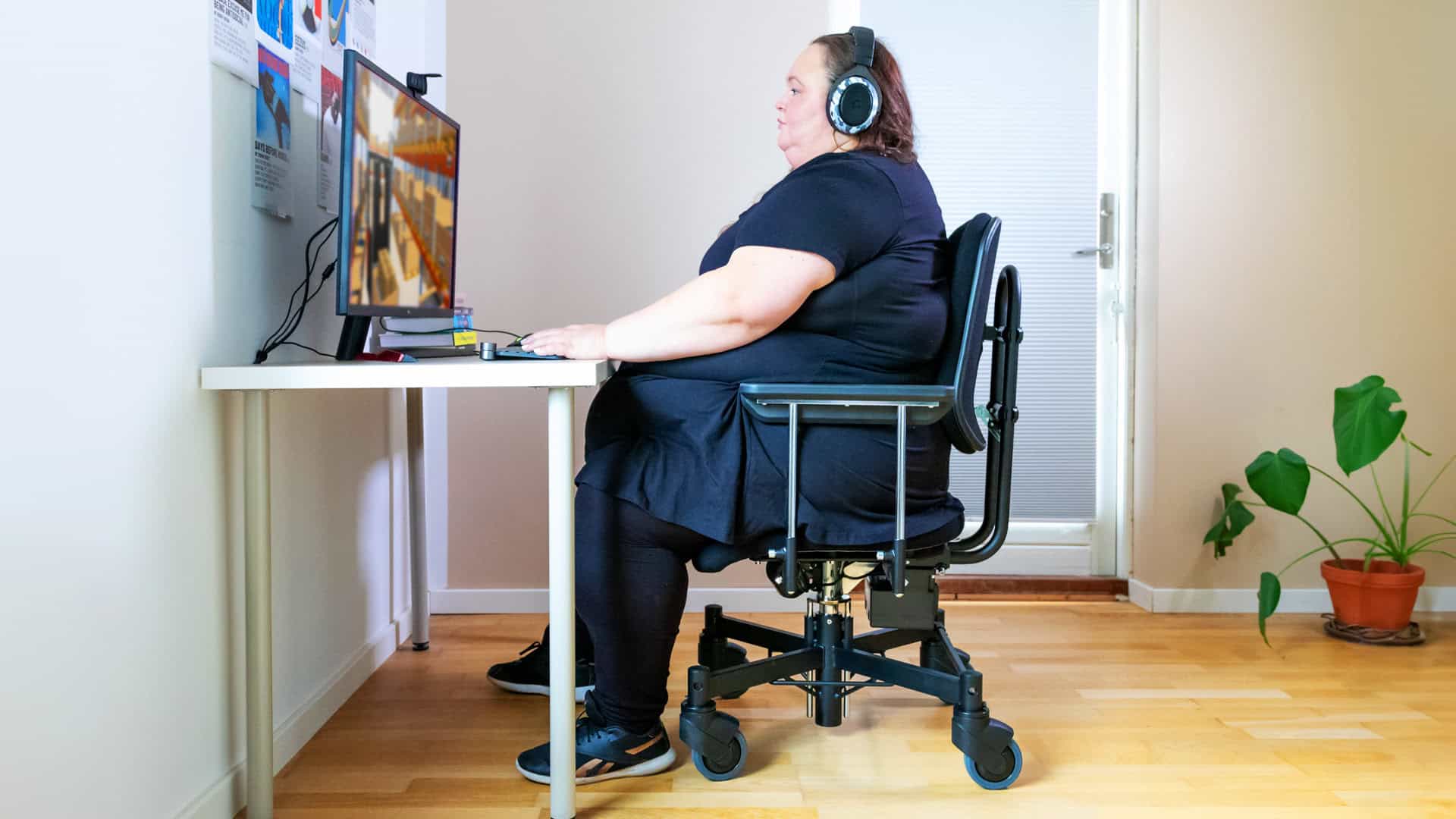
While traditional nursing homes are essential, options such as home care and assisted living are increasingly desirable for families seeking personalized care. Families often face challenges in older adults maintaining independence as they age. An effective solution is medically approved mobility chairs like VELA, designed for home use. These chairs enhance safety by providing stability and reducing fall risks. They support freedom of movement while seated and assist in daily activities such as cooking, dressing, or transferring, all while easing the demands on informal caregivers.
Innovation in assistive technology is rapidly transforming care within both nursing homes and home settings. The latest advancements include smart mobility devices and ergonomic aids designed to adapt to individual mobility needs. Forsyth nursing homes and rehab centers are increasingly adopting these innovative devices to improve daily function, safety, and resident autonomy.[1] Alongside the use of such tools, modern rehabilitation practices now emphasize patient-centered, multidisciplinary approaches, bringing together physical, occupational, and speech therapies while incorporating opportunities for social engagement for more holistic recovery.[1][7]
Furthermore, government-supported initiatives encourage the use of technology and the development of community-based programs, as highlighted by Senior Services Inc.. These initiatives show how Forsyth is embracing innovation to meet its aging population’s needs.
Staying Independent at Home with Support
The ability to age in place is a priority for many seniors who wish to maintain their independence. Tools like VELA Chairs make this possibility more feasible. Featuring a central brake for enhanced safety, electric height adjustability, and the ease of movement while seated, these chairs address critical issues like fall prevention and energy conservation. By supporting daily tasks such as cooking or dressing, and reducing the physical strain on caregivers, VELA chairs contribute to a higher quality of life at home. Mobility Solutions for Seniors and Safety Measures for Elderly Fall Prevention are valuable resources, painting a vivid picture of life with supportive tools like VELA. While VELA chairs aren’t the only solution, they offer a proven and practical way to enhance safety and maintain dignity and freedom for seniors endeavoring to stay independent longer.
Enhanced Resident Rights and Regulatory Changes
Recent regulatory reforms in North Carolina now require improved emergency preparedness, expanded resident assessment, and robust care planning within nursing homes. These state updates align closely with federal Nursing Home Reform Law, enhancing resident rights by focusing on dignity, autonomy, and abuse prevention. Both NC and MO regulations encourage greater compliance monitoring and staff training, helping to protect resident well-being while upholding their rights to individual choice and personalized care.[2][4][8]
References
- Forsyth Rehabilitation & Health Care Center – Innovative multidisciplinary rehab services[1]
- North Carolina Dept. of Health & Human Services: 2025 Adult Care Home and Family Care Home rule revisions[2]
- Brown & Crouppen: 2025 Missouri Nursing Home Ratings and CMS Special Focus Facility program updates[3]
- Nursing Home Resident Rights federal regulations (42 CFR 483.10) and state protections[4][8]
- CMS Nursing Home certification and compliance regulations, including survey protocols[6]
- North Carolina Proposed 2025 State Medical Facilities Plan and healthcare planning data[7]