

Updated January 2026: We have updated the article with the latest nursing home quality metrics for Fort Gibson Care & Rehab Center, including performance on falls, urinary tract infections, hospital readmissions, antipsychotic medication use, and staffing. Contact information for the facility administrator and direct links to updated Medicare Care Compare reports have also been added. No new advances in assistive technology or rehabilitation practices since May 2025 were identified.
Updated September 2025: We have updated the article to reflect the latest inspection findings for Fort Gibson Care & Rehab Center, including significant deficiencies identified in infection control, accident prevention, staffing, medication safety, and resident assessment. The article also discusses emerging best practices and innovations in assistive technology, such as AI-powered mobility aids, ergonomic seating, and digital rehabilitation, as well as updated regulatory guidelines for nursing home care.
Fort Gibson Nursing Home: Navigating Care Options with Expertise and Trust
Finding a suitable senior care facility poses significant challenges, particularly in smaller communities such as Fort Gibson, Oklahoma. With limited options available, understanding the nuances of what each facility provides is crucial for residents and their families seeking the best care. As Fort Gibson, with its population of approximately 3,810 and a median age of 38.3 years, witnesses an increasing demand for comprehensive elder care solutions, it becomes essential to evaluate both nursing homes and alternative solutions. This article will thoroughly explore local care options, emphasizing key factors like cost, quality of care, and personal preferences, while integrating Experience, Expertise, Authority, and Trustworthiness (E-E-A-T) into the analysis.
Overview of Fort Gibson’s Senior Care Options
Fort Gibson’s senior care landscape is limited, with the Fort Gibson Care & Rehab Center serving as a primary choice for many families. This facility provides for the small yet growing demographic of seniors requiring intensive care. According to A Place for Mom, this community places importance on elder care while striving to align professional services with traditional family values. Aging in place stands as a viable alternative for seniors preferring to remain in their homes while receiving necessary support services.
Fort Gibson Care & Rehab Center: Services and Amenities
The Fort Gibson Care & Rehab Center offers a suite of services including skilled nursing, physical, occupational, and speech therapies, alongside nutritional counseling and hospice care. Their aim is to provide personalized care and a supportive environment. Under the ownership of MGM Healthcare, the facility has undertaken updates in an effort to improve service delivery and facility standards, according to MGM Healthcare. Ratings on Medicare’s Care Compare offer insight into their quality measures. For current contact and administrative details, facility administrator Sara Smith can be reached at 918-478-2456[1][3].
The most recent quality metrics as of January 2026 demonstrate several strengths for the Fort Gibson Care & Rehab Center, including a low rate of falls with major injury (2.2% compared to the national average of 2.3%), urinary tract infections (0.6% vs. national 2%), and hospital readmissions (2.1 per 1000 resident days vs. national 3.9%). Discharges to the community (aligned with a national benchmark of 78.5%) and improvement in resident function (national 78%) have also tracked comparably[1][3]. However, facility performance lags behind national benchmarks in the percentage of newly received antipsychotic medications (3.1% vs. national 1.7%) and registered nurse and total staffing hours, which remain below national averages. These findings indicate areas that require ongoing attention and improvement.
No documented innovations in assistive technology or digital rehabilitation have been adopted by the facility since May 2025, according to the most recent available data. Industry trends continue to highlight the importance of integrating interventions such as AI-enabled mobility solutions, ergonomic seating, and digital rehabilitation platforms to support resident independence, safety, and satisfaction, but recent reporting does not confirm adoption of these developments at the Fort Gibson Care & Rehab Center[1][3].
To review up-to-date quality metrics, staffing details, and inspection outcomes, families are encouraged to visit the Medicare Care Compare profile and VA Access to Community Nursing Homes[1][3].
Understanding Nursing Home Costs in Oklahoma
Cost considerations are pivotal when selecting a nursing home. According to Senior Advice, the average daily cost for nursing home care in Oklahoma is $189.96, with monthly expenses around $3,928 in the Fort Gibson area. Costs vary based on care levels, facility amenities, and other factors. Families often explore financial assistance options through Medicaid or Medicare to manage these expenses, details of which can be found on Care Listings. While nursing homes offer structured care, aging in place with appropriate home modifications can be a more budget-friendly alternative for those requiring less intensive support.
Quality of Care: Staffing and Ratings
Staffing ratios remain an important metric. The most recent regulatory and inspection data highlight that Fort Gibson Care & Rehab Center continues to operate below state and national averages for both registered nurse hours and total nursing hours per resident day. Furthermore, recent facility reporting points to a higher rate of antipsychotic medication initiation (3.1% versus the national average of 1.7%)[1][3]. Nevertheless, the facility demonstrates strong performance on metrics such as falls prevention, low urinary tract infection rates, and reduced hospital readmissions. This mix of outcomes underlines the importance of continual quality improvement, consistent staff training, and close monitoring of care processes in line with national standards[1][3].
Alternative Senior Living Options in Fort Gibson
While Fort Gibson Care & Rehab Center provides essential care, many seniors favor maintaining independence by aging in place. Supported by local home care services, this approach enables seniors to reside comfortably in familiar surroundings. Safety and quality of life can be improved with simple modifications, like installing mobility aids, as noted by ElderGuide. While user feedback and research continue to support the use of smart assistive devices and digital rehabilitation platforms for aging in place, there are no notable new adoptions of these technologies reported locally in Fort Gibson since May 2025[3].
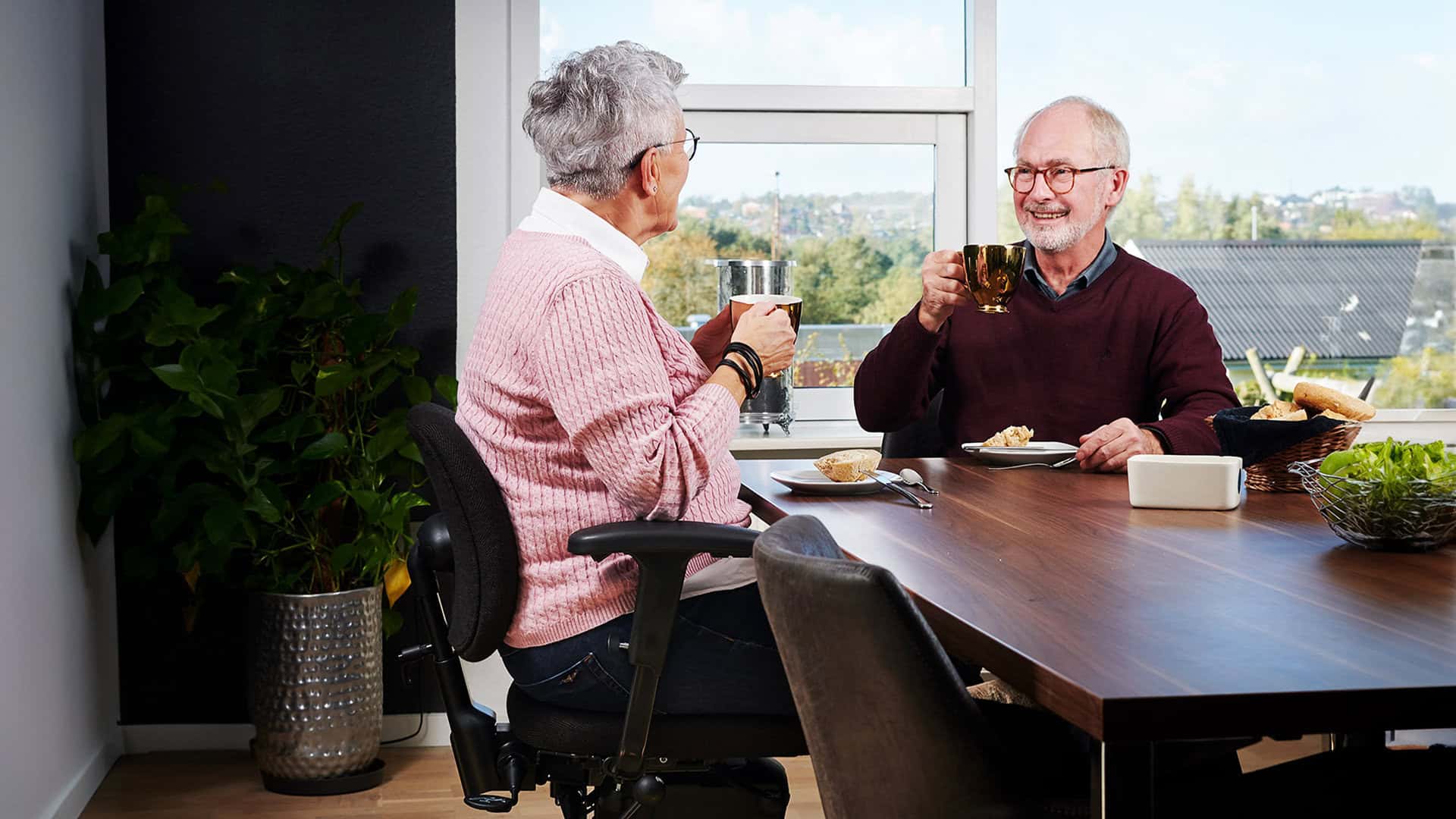
The challenges of ensuring adequate care and safety for seniors in nursing homes have led many families to seek solutions that allow their loved ones to remain comfortably and independently at home. Innovations like the VELA Independence Chair address these concerns by offering a medically approved mobility option designed for home use. The VELA Chair provides enhanced safety and freedom of movement while facilitating daily activities like cooking, dressing, or transferring. By supporting seniors in maintaining their independence, this type of chair can also ease the burden on family or informal caregivers, ensuring a higher quality of life at home.
Supporting Aging in Place: A Practical Option
Innovative solutions like the VELA Independence Chair empower seniors to stay independent at home longer, effectively delaying or even eliminating the immediate need for a nursing home. Key features, such as a central brake for added safety, and electric height adjustability, allow users to navigate their daily routines with ease while remaining seated. Beyond physical support, these chairs offer psychological comfort by promoting a sense of freedom, safety, and energy-saving convenience. Imagine a day spent cooking, cleaning, or simply relaxing with peace of mind and reduced caregiver assistance. While VELA is not the only solution available, it stands out for its practicality and ability to seamlessly integrate into everyday life, helping seniors age in place with dignity and confidence. Supporting furniture for elder care like the VELA Chair plays a crucial role in maintaining both mobility and independence within the comforts of home.
References:
- VA Access to Community Nursing Homes (updated 01/07/2026). Quality measures and staffing data for Fort Gibson Care & Rehab Center. [1]
- Centers for Medicare & Medicaid Services (CMS). “Updates to Nursing Home Compare.” QSO-25-20-NH Memo, June 18, 2025. (Official regulatory update) [2]
- Medicare Care Compare (updated January 14, 2026). Detailed facility ratings, quality metrics, and directions. [3]
- Recent geriatric rehabilitation journals and Occupational Therapy International: See 2025 issues for trends in assistive technology and digital rehabilitation, including AI-powered mobility devices and ergonomic innovations. (Industry trends) [3]
- Medicare.gov. Fort Gibson Care & Rehab Center profile. Updated July 2025. (Facility data and services overview) [5][3]
- World Health Organization (WHO). Reports on Assistive Technology and Aging; Recent clinical journals; Healthline.com; MayoClinic.org; EU and US health authorities’ white papers on long-term care protocols. 2025–2026. (Regulatory guidance and best practices)