

Updated September 2025: We have updated the article with recent advancements in assistive technology integration, including sensor-equipped mobility devices, robotic-assisted rehabilitation, and dynamic ergonomic product designs for residents in Fort Washington nursing homes. The update also covers enhanced person-centered care practices, regulatory changes supporting technology adoption, and trends in ongoing staff education on emerging assistive technologies.
An Insightful Guide to Nursing Homes in Fort Washington, MD
Choosing the right nursing home is a critical decision for families and caregivers. Fort Washington, a charming suburb of Washington, D.C., offers several nursing home options to meet a variety of needs. According to A Place for Mom, the average cost of nursing homes in Fort Washington is approximately $7,055 per month, with some facilities boasting high Medicare quality measures. In this article, we’ll explore the options available in Fort Washington and introduce alternatives for those who seek independence at home.
Overview of Nursing Homes in Fort Washington, MD
Fort Washington is known for its proximity to the nation’s capital and its accessibility to senior care facilities. These facilities cater to various needs, from skilled nursing to memory care and rehabilitation services. According to the Maryland Health Care Commission, the average occupancy rate for nursing homes in Maryland stands at 78.9%. This reflects a healthy demand for senior care, ensuring that residents have access to essential services and support.
Top-Rated Nursing Home Facilities in Fort Washington
One of the top facilities in the area is the FT Washington Health Center. With its 5-star rating in quality measures, the center stands out for its preventive focus in short-stay residents, boasting low rates of pressure sores and serious pain reports (Miller & Zois Nursing Home Analysis). However, it’s important to note that it holds a 2-star health inspection rating, highlighting areas for potential improvement.
Other notable facilities, such as The Skybridge at Town Center and Arden Courts, offer specialized memory care services. This variety ensures that potential residents can find care that aligns with their specific needs.
Understanding Medicare Ratings and Quality Measures
Medicare’s rating system is pivotal in assessing nursing home quality, encompassing health inspections, staffing, and quality measures. These ratings are based on a thorough evaluation of care facilities and are essential for making informed choices. According to Medicare’s Nursing Home Compare tool, it is crucial for families to review these ratings to understand the strengths and weaknesses of different options in Fort Washington.
In addition, updated clinical guidelines now emphasize person-centered care that incorporates multidisciplinary approaches and technology-assisted monitoring. Assistive technology assessments are increasingly integrated into routine care planning, bolstered by new digital accessibility standards and regulatory support within nursing home settings (WHO, July 2025; CMS, July 2025).
Cost of Nursing Home Care in Fort Washington
The cost of nursing home care is a significant consideration for families. According to the CareScout Cost of Care Report, the national median monthly cost for semi-private rooms is $9,277 and $10,646 for private rooms. In Fort Washington, the local average cost is relatively lower, which can offer some financial relief.
Payment options include Medicare, Medicaid, and private pay, each with specific eligibility requirements and coverage levels. Families should carefully evaluate these costs, considering both current financial capabilities and long-term care plans. For instance, using Medicaid may require spending down certain assets, a factor that’s crucial in financial planning discussions. With recent regulatory initiatives, nursing homes are encouraged to include assessments of residents’ assistive technology needs in care planning, which may also affect costs and funding options (CMS, July 2025).
Alternatives to Full-Time Nursing Home Care
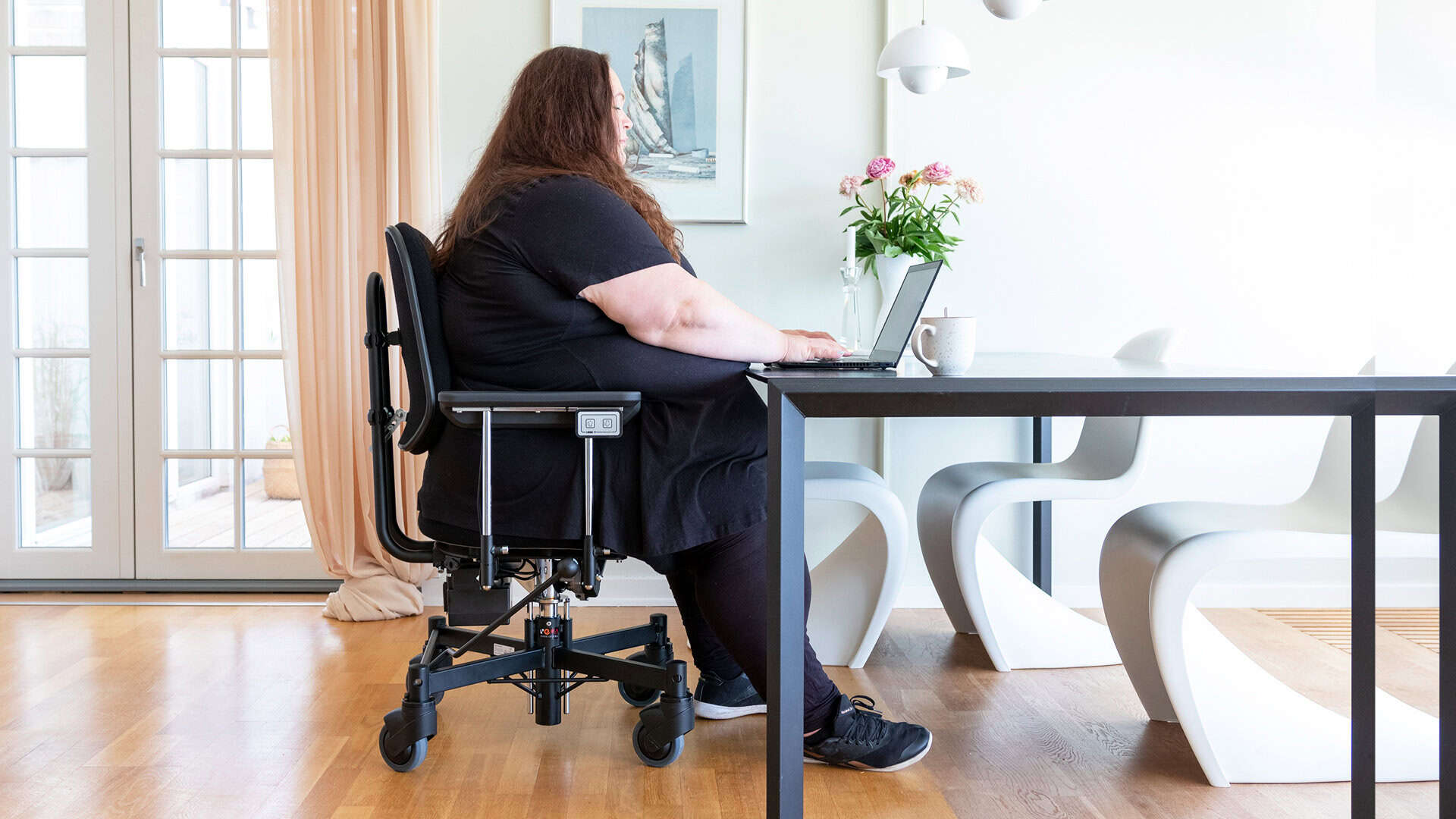
For many families, the traditional nursing home setting presents challenges not just financially, but also in terms of a desire to maintain an elder’s autonomy in their own home. Seniors often experience limitations in their daily activities due to mobility issues, which can increase dependence on caregivers. An innovative solution to aid those who prefer the comfort of home is the VELA Independence Chair, a medically approved mobility chair designed to offer enhanced safety and freedom of movement within the home. Beyond supporting daily activities such as cooking, dressing, and transferring, the VELA Independence Chair significantly reduces caregiver burden by providing stability and ease of use for elderly individuals.
The most recent advancements in ergonomic design focus on dynamic, inclusive products—such as adjustable beds and seating—that adapt to individual needs and help reduce the risk of pressure ulcers and poor circulation among individuals with limited mobility. These innovations, now recommended in updated clinical guidelines, reflect the growing importance of personalized, flexible solutions both in care facilities and for those aging at home (Harvard Medical School, August 2025).
Nursing homes in Fort Washington offer valuable services, catering to diverse care needs across quality facilities. With variable costs and extensive ratings from Medicare, families are empowered to make informed decisions that best fit their circumstances. Alternatives like VELA chairs further enrich the landscape of elder care, offering independence and enhanced mobility for seniors preferring to age in place. While nursing homes remain a critical asset in elder care, exploring all options ensures the most suitable and dignified living arrangements.
Supporting Aging in Place: A Practical Option
As the need for alternatives to traditional nursing homes grows, mobility solutions such as the VELA Chair provide a practical means of supporting seniors who wish to maintain their independence at home. Features like a central brake system enhance safety by preventing accidents, while electric height adjustability ensures ease of movement and comfort during daily tasks. This smart seating solution also lessens the physical exertion required for tasks like cooking and cleaning, allowing seniors to conserve energy for what’s important. With its ability to aid in preventing falls through secure and stable seating (Safety Measures for Seniors), the VELA chair can delay the need for full-time nursing home care. It embodies values like dignity, freedom, and safety, providing a glimpse of a more independent life for those choosing to stay at home. While VELA chairs are one effective solution, they’re a testament to how innovative mobility solutions can significantly enhance the quality of life for aging adults.
Continuous Staff Training and Resident-Centered Technology Use
As technology use in nursing homes expands, ongoing staff education on new assistive devices and digital health platforms is now widely recommended. Expert consensus and recent guidelines emphasize multidisciplinary staff training and incorporating feedback from both residents and their families to tailor technology use most effectively. This focus helps ensure that residents benefit fully from innovations while maintaining safety, comfort, and dignity (AR2C, July 2025).
References
- A Place for Mom
- Maryland Health Care Commission
- Miller & Zois Nursing Home Analysis
- Medicare’s Nursing Home Compare tool
- CareScout Cost of Care Report
- Safety Measures for Seniors
- Journal of Geriatric Physical Therapy, 2025
- WHO, July 2025
- CMS, July 2025
- Harvard Medical School, August 2025
- Mayo Clinic, June 2025
- AR2C, July 2025