

Updated September 2025: We have updated the article to include recent advancements in AI-powered assistive devices, new smart home technologies, the integration of telehealth and remote monitoring in rehabilitation, and important updates to CMS nursing home regulations for 2025. These changes reflect enhanced safety, user independence, regulatory compliance, and modern care strategies in nursing facilities.
Fortress Nursing Home in College Station, Texas: A Comprehensive Evaluation
If you’re investigating “Fortress Nursing Home” or “Fortress Nursing and Rehabilitation,” you’re likely in search of trustworthy information about this facility in College Station, Texas. Operated by Honor X Enterprises, LLC, this for-profit healthcare provider has a current occupancy rate of 50.8% and dedicates approximately 3.27 nurse hours per resident per day. For more details, visit Medicare.gov. This article explores the operations and performance metrics of Fortress Nursing and Rehabilitation to aid in making an informed decision regarding care for your loved ones.
Insight into Fortress Nursing and Rehabilitation’s Operations
Fortress Nursing and Rehabilitation, situated on Rock Prairie Road, offers extensive nursing and rehabilitation services. As a for-profit LLC, it maintains a bed capacity of 120, typically with about 60 beds occupied. The facility is managed by Creative Solutions In Healthcare, reflecting a dedication to delivering quality care. However, before making a choice, it’s pivotal to evaluate both performance indicators and firsthand experiences shared by residents and their families. Testimonials can uncover valuable insights into the daily life at the facility, shedding light on factors like meal quality, staff interactions, and overall satisfaction.
Quality Metrics and Performance Evaluation at Fortress Nursing Home
Assessing the quality of care at Fortress Nursing Home involves delving into key metrics, notably their Medicare ratings. According to ProPublica Nursing Home Inspect, the facility delivers 3.27 nurse hours per resident daily, falling short of the state average of 3.4 hours. Furthermore, inspection reports reveal numerous “Immediate Jeopardy” and “Actual Harm” findings, which are crucial considerations for any potential resident.
Addressing Regulatory Compliance and Safety Concerns
Fortress Nursing Home has encountered several regulatory challenges over time. Reports from Nursing Homes Abuse Advocate cite multiple “Immediate Jeopardy” incidents, indicating scenarios where resident safety or health was at risk. Understanding these incidents is critical, and exploring the strategies Fortress Nursing has adopted to address these issues is essential. Effective safety protocols can significantly enhance resident and staff morale, creating a safer and more supportive environment.
In 2025, the Centers for Medicare & Medicaid Services (CMS) implemented updated nursing home surveyor guidance, introducing enhanced regulations relating to staffing requirements, minimizing unnecessary psychotropic medication use, resident rights, and a focus on health equity analysis. The CMS revised their Five Star Quality Rating system to incorporate new measures, recent survey outcomes, and compliance data, providing better oversight and transparency. New rules also require explicit resident consent for psychotropic medications and place a stronger emphasis on avoiding inappropriate transfers or discharges. Compliance with these measures has become essential for facilities aiming to maintain high care standards and regulatory approval.
Sources:
Sandberg Phoenix;
Health Industry Washington Watch;
CMS Summary Document
Technology, Rehabilitation, and Assistive Innovation in 2025
The landscape of assistive technology in nursing homes has changed substantially in recent years. Smart wheelchairs and mobility aids now integrate AI capabilities such as GPS navigation, collision avoidance, remote app control, voice command operation, and personalized adaptive assistance, which significantly improve user independence and safety. Wearable health monitors with AI proactively track vital signs and fall risks, allowing for timely interventions and better health management.
Smart home devices including voice-activated assistants, automated lighting, and smart medication dispensers have become increasingly present in senior living, enhancing daily routines and residents’ safety. Furthermore, facilities are rapidly adopting telehealth and remote monitoring tools, making virtual medical consultations, continuous rehabilitation, and ongoing health management both routine and accessible without the need for transporting residents offsite.
These technologies feature ergonomic, highly personalized designs, reducing user fatigue and fostering greater mobility autonomy. Their intuitive interfaces and customizability are aligned with contemporary rehabilitation and care practices.
Sources:
Everything Medical Online;
ButterflyMX Blog;
HBRHC;
Synchrony Home Health Care
Financial Insights and Alternatives to Traditional Care
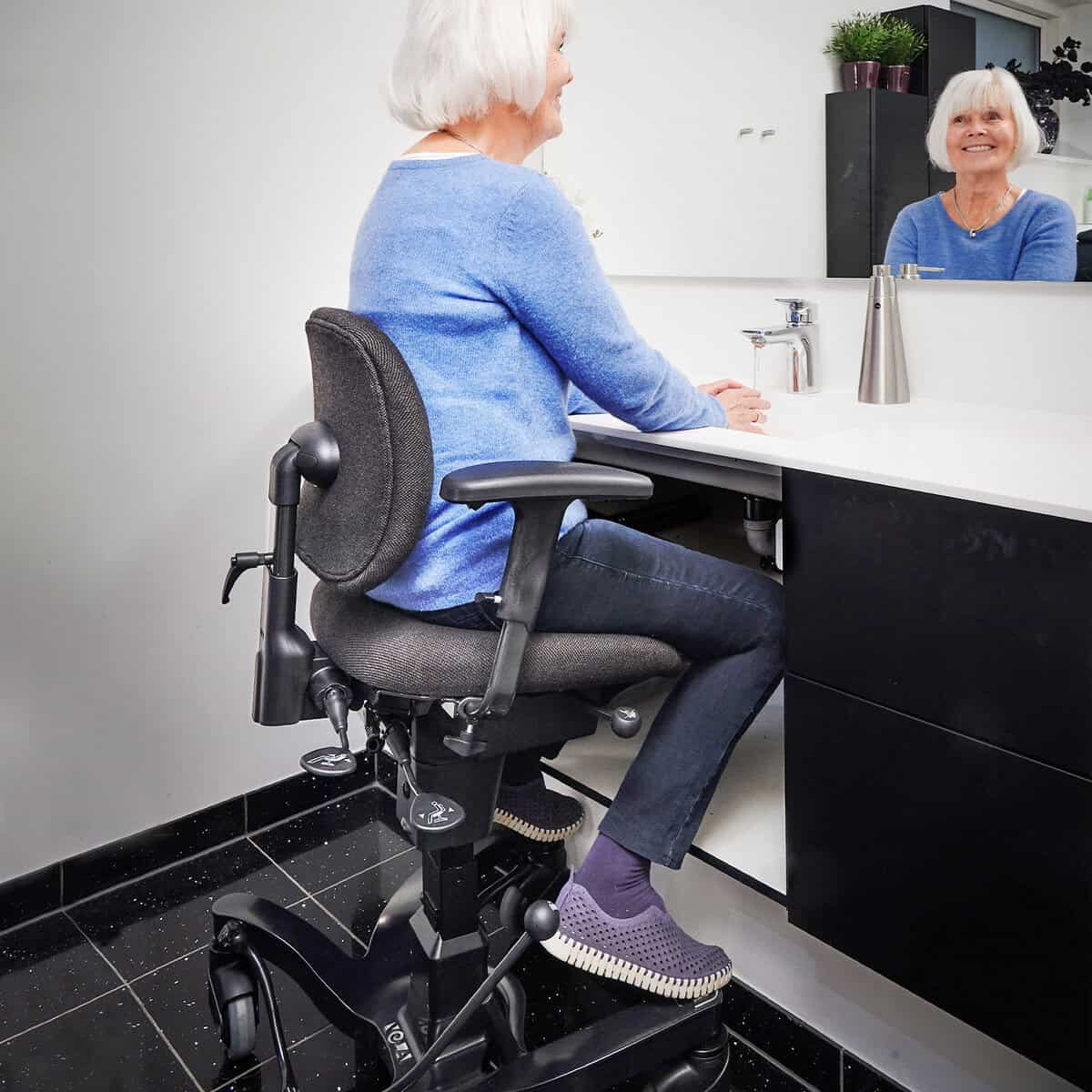
Navigating the financial aspects of nursing home care can be complex. Fortress Nursing and Rehabilitation accepts Medicare and Medicaid, which can assist in making affordable care decisions. Additionally, considering alternatives to traditional nursing homes, such as aging-in-place strategies and home healthcare solutions, is important. As facilities like Fortress cope with staffing challenges, mobility aids like VELA chairs can offer a safer, cost-effective, home-based care option. These chairs are medically approved mobility devices tailored for home use, providing enhanced safety and autonomy. VELA chairs facilitate freedom of movement while seated and support daily activities like cooking, dressing, or transferring, thereby reducing the reliance on informal caregivers and fostering independence.
Telehealth, wearable health monitors, and advanced home automation have now become standard components of individualized care and rehabilitation at home as well as in nursing facilities. These solutions contribute not only to improved outcomes and resident engagement but also to enhanced satisfaction and safety. Facilities that have embraced such technologies often demonstrate higher quality metrics and better compliance with new regulatory expectations.
Sources:
HBRHC;
ButterflyMX Blog
In conclusion, Fortress Nursing Home in College Station offers a spectrum of services supported by moderately staffed healthcare provision. While there are areas needing improvement, particularly in regulatory compliance, the facility remains a potential option for certain families. However, evaluating the benefits and drawbacks of such facilities against alternative home-based care solutions can significantly influence your decision.
A well-rounded decision should integrate insights from data with real-world testimonials against the convenience and familiarity of home care solutions that bolster independence and safety. Understanding these elements ensures a comprehensive approach to selecting the best care for your family member.