

Updated January 2026: We have updated the article with the most current review of emerging trends in AI-powered remote monitoring systems, wearable health devices, smart home safety integration, and telehealth in elder care, reflecting broader trends in nursing home and home-based support environments.
An In-Depth Look at Fountain Bleu Health & Rehabilitation Center
Choosing a nursing home involves careful evaluation of each facility’s capabilities and environment. When searching for the “Fountain Blue Nursing Home,” you’re likely referring to Fountain Bleu Health & Rehabilitation Center in Livonia, Michigan. This facility, notable for its 108-bed capacity, is certified for both Medicare and Medicaid, demonstrating a comprehensive level of care for its residents. According to Medicare.gov, the center maintains a 92.6% occupancy rate, a testament to its standing within the Livonia community.
Fountain Bleu operates under the stewardship of Optalis Health, a trusted name in rehabilitation services. Among its array of offerings are chef-prepared dining options and extensive on-site therapy services, supporting both physical and spiritual wellness. Specific facilities include a hair salon, concierge service, and recreational activities aimed at enriching residents’ lives (Optalis Healthcare). However, an essential consideration is the nursing staff structure, which currently allocates 3.57 nurse hours per resident daily, slightly below state averages. The facility’s nurse turnover rate stands at 50.5%, potentially impacting care continuity (ProPublica).
Ratings, Costs, and Services: Fountain Bleu’s Position in Livonia
Assessing nursing homes involves consideration of ratings, costs, and services. Fountain Bleu Health & Rehabilitation Center is well-regarded on federal scales, with user reviews frequently highlighting its spacious rooms and compassionate staff. According to the Senior Service Directory, the facility accepts both Medicare and Medicaid, enhancing its accessibility.
Financial considerations are crucial, as average monthly costs for skilled nursing in Michigan range from $7,500 to $10,000—variables often influenced by care intensity and available amenities. Fountain Bleu offers a unique mix of services, from post-acute rehab to varied recreational activities designed to enhance the resident experience (NIC).
Recent advances in assistive technology are increasingly present in forward-thinking nursing facilities. AI-powered smart mobility aids, such as wheelchairs with GPS, voice control, collision avoidance, and integrated health monitoring, are enhancing independence and safety for residents. Wearable health monitors tied to telemedicine enable continuous, real-time monitoring of vital signs, helping detect changes early and supporting personalized care (Synchrony Financial Health Care Trends Report, 2025; Everything Medical Online, May 2025; American Medical Association, 2024; McKnight’s Senior Living, October 2024; Everything Medical Online – Trends for 2025; Envision – Future of Assistive Technology & AI; PubMed Central – Integrating AI and Assistive Technologies).
Smart home technologies, such as voice assistants, automated lighting, smart locks, and remote monitoring sensors, are also being adopted in senior living environments. These tools contribute to safer, more independent living and facilitate access to remote healthcare through telemedicine integration (Heisinger Bluffs – Future of Senior Living; UnitedHealthcare – Enabling Technology Transforming Care; Juniper Communities – Senior Living Trends in 2025).
Navigating Care Options & Independence at Home
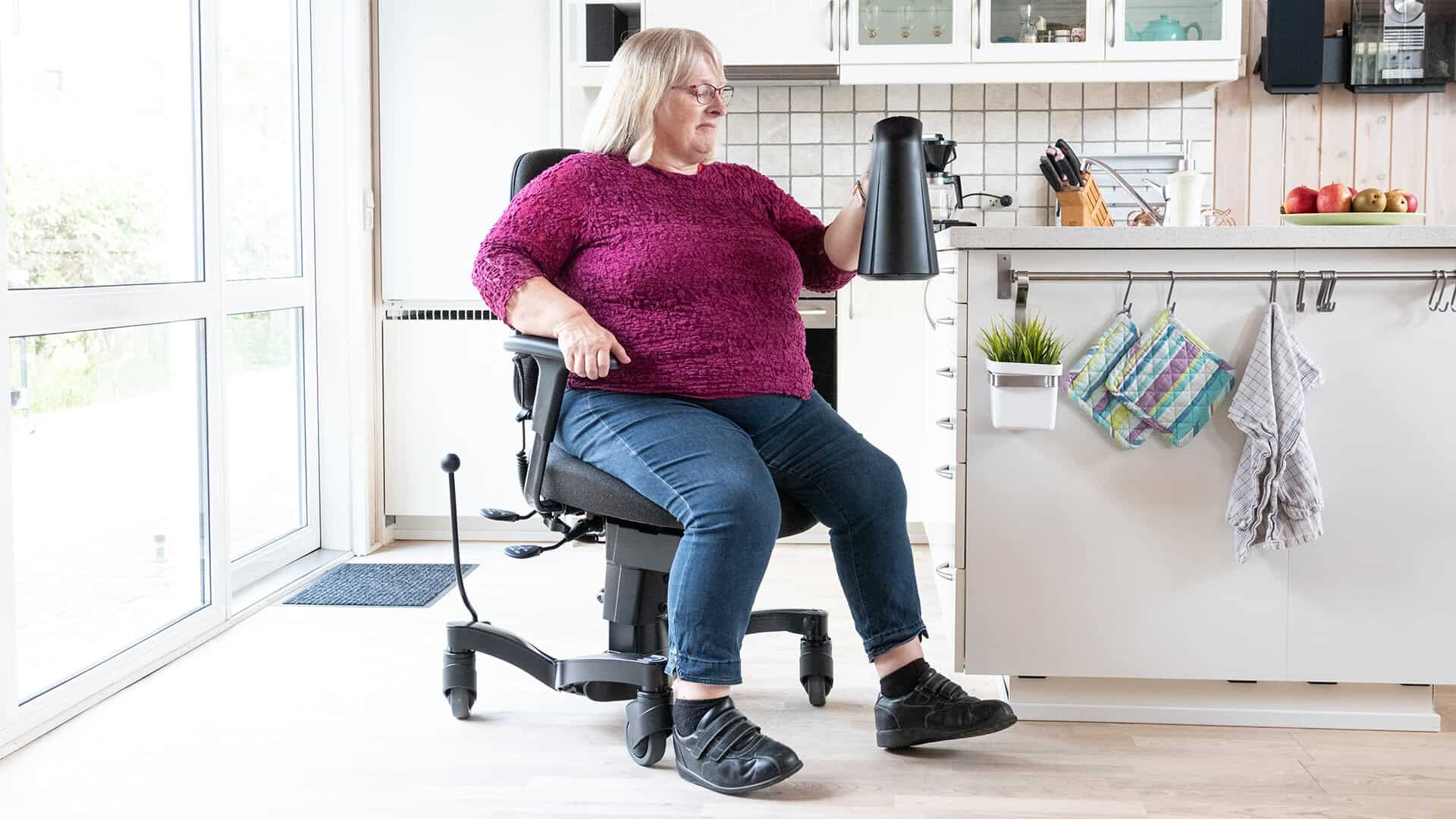
While nursing homes like Fountain Bleu offer comprehensive support, challenges such as staffing and high costs can influence decisions about elder care. Alternative solutions, particularly for those wishing to remain at home, can be beneficial. The VELA Independence Chair emerges as an innovative answer, enabling older adults to maintain their autonomy in a familiar environment. This medically approved mobility chair enhances safety with features like a central brake and provides freedom of movement while seated. It supports daily activities such as cooking, dressing, and transferring, effectively easing the load on informal caregivers and potentially delaying the need for residential care facilities.
Support for aging in place has also grown with the emergence of wearable sensors paired with AI, allowing for continuous monitoring and early intervention. Remote patient monitoring and telemedicine now play a greater role in chronic disease management, reflecting a broader shift toward “hospital-at-home” care models. Such approaches help seniors remain safely in their own homes while benefiting from healthcare technologies previously only available in facility settings (American Medical Association, 2024; Synchrony Financial Health Care Trends Report, 2025; Everything Medical Online – Trends for 2025; Juniper Communities – Senior Living Trends in 2025).
What to Consider When Choosing a Nursing Home in Livonia
Livonia provides several outstanding options for nursing care, with Fountain Bleu Health & Rehabilitation Center being prominent. Comparing facilities such as Marycrest Manor and Livonia Woods Nursing and Rehabilitation can be beneficial, especially concerning costs, proximity, and specific needs. Key factors, including occupancy rates—Fountain Bleu’s current occupancy is approximately 92.6%—should be considered, as they may imply a waitlist (ProPublica).
It’s vital to align personal preferences with available options, whether they are program offerings, location convenience, or staff qualifications. Decisions may hinge on comforts and amenities that resonate personally, making a facility feel more like home. This Senior Service Directory can help match expectations to the realities of different facilities.
Advancements in ergonomic and adaptive assistive devices, now tailored to individual needs with the help of data analytics and AI, provide new possibilities for both residential care and in-home support. Rehabilitation practices increasingly use AI-enabled adaptive devices that respond to the user’s evolving needs, and ergonomic designs now emphasize comfort, customization, and ease of use, benefiting both mobility and cognitive support. Integration of these technologies within overall care plans, rather than as isolated tools, is central for achieving the best outcomes (Next Market Supply Chain Report, May 2025; McKnight’s Senior Living, October 2024; Everything Medical Online – Trends for 2025; Envision – Future of Assistive Technology & AI; PubMed Central – Integrating AI and Assistive Technologies).
The field of senior care is also shifting toward more person-centered, inclusive models, focusing on creating environments and activities tailored to promote dignity, independence, and joy rather than strictly clinical routines (Heisinger Bluffs – Future of Senior Living; Juniper Communities – Senior Living Trends in 2025).
The rapid development of assistive technologies also brings regulatory and privacy considerations, such as ensuring robust digital literacy, ethical data use, and accessibility standards. Government initiatives in some regions now promote greater accessibility and affordability of assistive devices, supporting wider adoption in both eldercare facilities and home care (Next Market Supply Chain Report, May 2025; PubMed Central – Integrating AI and Assistive Technologies).
Supporting Aging in Place: A Practical Option
Staying independent longer at home is an achievable goal with the right support systems in place. The VELA Independence Chair empowers seniors to live comfortably and confidently by addressing key challenges such as mobility, safety, and ease of movement. With features like electric height adjustability and a secure braking system, the chair enhances daily living activities, from cooking to reading to relaxing. This level of support not only promotes safety by reducing fall risks but also conserves energy, allowing seniors to lead a more active life. While there are various mobility solutions available, the VELA chair is a well-regarded option. It reinforces values of dignity and independence, helping seniors enjoy a higher quality of life in their own homes. For more insights into how such mobility aids can support seniors, see Senior Mobility Solutions and explore Fall Prevention Strategies.