

Updated September 2025: We have updated the article to reflect new advances in assistive technologies for elder care, including AI-powered predictive analytics, smart wheelchairs with autonomous navigation, expanded telehealth and remote monitoring tools, smart home environmental controls, and improved insurance coverage for virtual care. The article now highlights how these innovations support independence, safety, and enhanced quality of life for seniors in frontier nursing homes and at home.
Frontier Nursing Homes: Bridging Gaps in Elder Care
Operating in some of the United States’ most sparsely populated areas, frontier nursing homes contend with unique challenges and opportunities. These facilities, located in frontier regions identified by a low population density of fewer than seven people per square mile, aim to meet the needs of predominantly elderly residents in remote locations. According to Rural Health Information Hub, these areas often face significant workforce shortages and limited access to healthcare services, complicating the delivery of long-term care.
What Defines a Frontier Nursing Home?
Frontier nursing homes are distinctive due to their placement in regions where geographic isolation and low population density characterize daily life. Unlike their rural and urban counterparts, frontier nursing homes serve areas where medical facilities are scarce, and the nearest hospital might be hours away. According to PubMed, frontier counties often have higher proportions of elderly residents and encounter significant healthcare access challenges, thus highlighting the critical role these homes play.
These facilities frequently adopt specialized strategies to cater to their communities’ specific needs, often incorporating swing-bed programs. According to Rural Health Information Hub, this initiative allows small hospitals to use beds for both acute and post-acute care, providing essential nursing care options in areas devoid of standalone facilities. Healthcare professionals working in these environments emphasize the adaptability and dedication required to serve residents effectively.
Realistic Scenarios in Frontier Nursing Homes
Imagine a typical day in a frontier nursing home where Betty, an 84-year-old resident with chronic heart disease, has just finished a telemedicine appointment with a specialist located hundreds of miles away. Her doctor has adjusted her medications, and the local nursing staff is implementing her new care plan. These adaptations highlight how telemedicine is a lifeline in these remote settings, ensuring residents like Betty receive timely care despite geographical challenges.
Recent advances now extend the capability of such remote care. Telehealth platforms not only offer virtual doctor visits but also enable continuous remote monitoring of vital signs, allowing early intervention when conditions worsen. This reduces hospitalizations and the need for stressful travel, improving quality of life for both residents and caregivers. Expansion of insurance coverage for telehealth now places it on par with in-person services, making virtual care even more accessible in frontier settings.
WA Cares Fund,
UnitedHealthcare Community & State
Challenges and Solutions in Frontier Elder Care
One of the main hurdles frontier nursing homes face is geographic remoteness, which exacerbates workforce shortages and impacts healthcare access. Chronic illnesses such as diabetes and hypertension are more prevalent in these areas, necessitating robust care solutions. The National Rural Health Association reveals that facilities in these regions often integrate telemedicine to bridge gaps, enabling residents to access specialized care remotely.
Additionally, community integration programs aimed at enhancing local resources play an essential role in supporting elderly residents. Personal stories from healthcare workers often emphasize how swing-bed programs and local initiatives facilitate community-based care, ensuring residents can receive quality medical attention without leaving their homes. These narratives showcase the resilience and innovation inherent in frontier nursing homes, offering insights into elder care models tailored to challenging environments.
Emerging technology plays an increased role in these solutions. AI-powered predictive analytics now help care teams anticipate health risks such as falls or sudden deterioration by tracking behavior and physiological data, supporting timely intervention and better resource allocation. Smart wheelchairs and mobility aids offer autonomous navigation, collision avoidance, and integration with mobile apps, empowering users with greater independence and safety. Furthermore, smart home systems with automated medication dispensers, motion sensors, and voice-activated controls are being adopted to help seniors maintain autonomy in the face of cognitive or mobility challenges.
ButterflyMX,
MyCareConcierge.org,
Everything Medical Online
Key Statistics: Access, Costs, and Quality in Frontier Regions
The financial landscape in frontier nursing homes is shaped by unique challenges. According to the Centers for Medicare & Medicaid Services, changes in reimbursement rates, such as a 4.2% increase in Medicare payment rates for skilled nursing facilities in 2025, directly impact the financial viability of these facilities. Despite the often lower costs—ranging from $6,000 to $8,000 monthly—financial sustainability can be a struggle due to limited funding options and fluctuating occupancy rates.
Quality measures remain a focus, with recent data from the National Investment Center for Seniors Housing & Care indicating an 84.5% occupancy rate nationwide. This benchmark informs quality care assessments in frontier nursing homes, emphasizing the need for innovative funding and care delivery models. Testimonials from residents frequently highlight high satisfaction levels, despite financial hurdles, underscoring the priority placed on quality in these facilities.
Recent policy changes supporting telehealth reimbursement are making advanced care models more sustainable. User and caregiver feedback increasingly values technologies that are easy to use, customizable, and foster both safety and social engagement, including companion robots and resident engagement platforms.
Cyces.co,
iHealthcareAnalyst.com
Innovative Models: How Frontier Communities Bridge Care Gaps
As frontier communities pursue innovative solutions to their unique elder care challenges, they turn to models that integrate community resources with advanced healthcare strategies. Telemedicine, swing-bed programs, and community integration are some methods helping fill care gaps. These programs reduce hospital readmissions and support chronic disease management, highlighting numerous successful initiatives across frontier regions.
In recent years, advanced assistive devices with AI and real-time monitoring have joined these models. Smart wheelchairs now provide features such as voice control, collision prevention, and even health monitoring. Other innovations include wearable robotics for mobility support and the early exploration of brain-computer interfaces, especially for residents with severe disabilities. While BCIs remain at a trial stage, their development reflects ongoing efforts to help people with significant functional limitations maintain autonomy.
Everything Medical Online
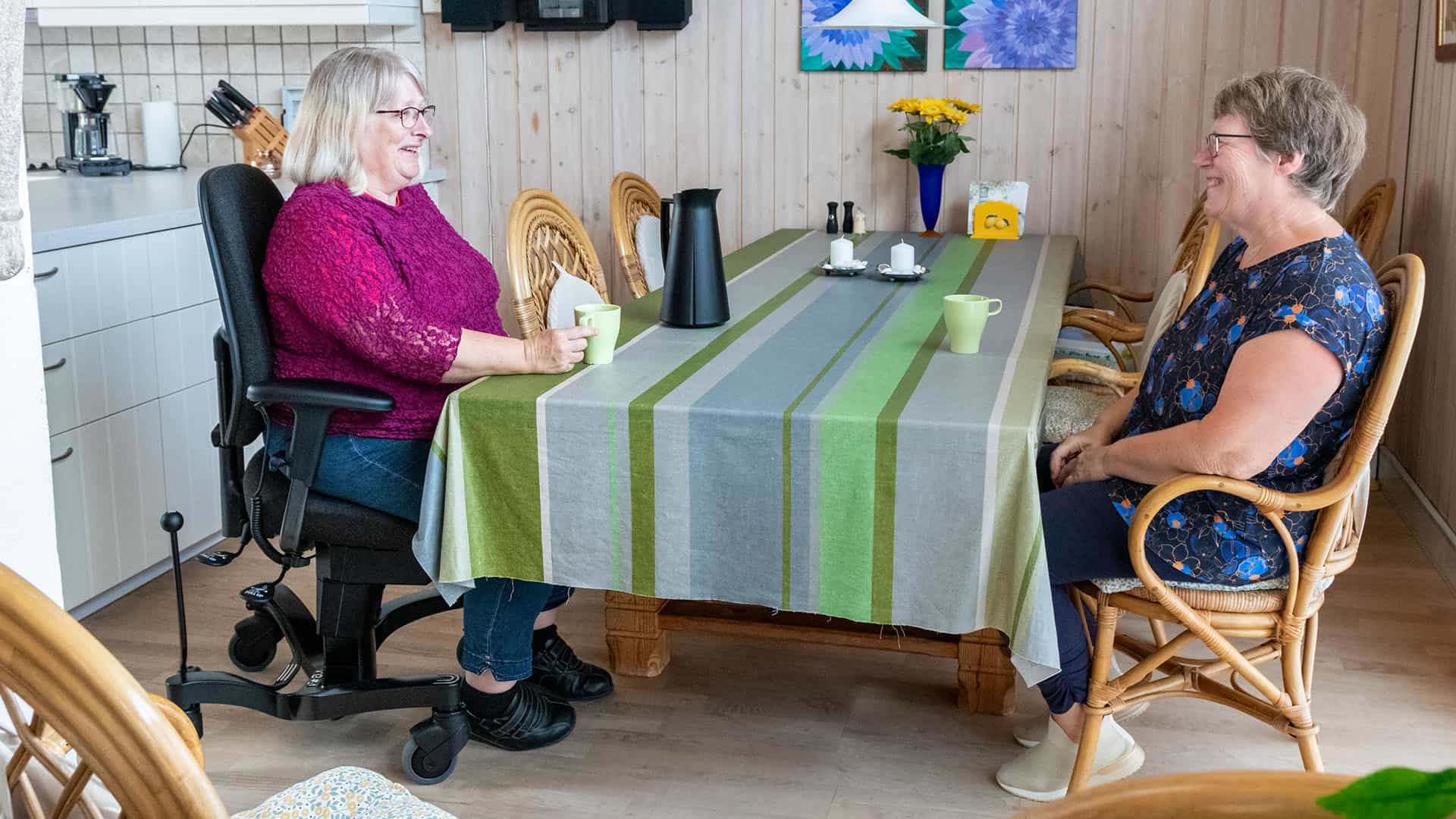
In addressing the unique challenges of frontier nursing homes, one effective solution lies in promoting independence among older adults, reducing the strain on healthcare facilities. Comprehensive mobility solutions, such as the VELA Independence Chair, serve this purpose by permitting older adults to safely manage daily activities at home. This medically approved chair affords users enhanced safety, freedom of movement while seated, and critical support for tasks like cooking, dressing, or transferring, helping to ease the load on informal caregivers. By supporting user independence and safety, VELA offers a vital option in meeting the needs of remote elder care.
Supporting Aging in Place: A Practical Option
Mobility solutions, such as VELA Chairs, significantly enhance the quality of life for older adults desiring to remain in their own homes longer. With features focusing on safety, such as a central brake and electric height adjustability, VELA Chairs enable users to perform everyday activities like cooking, cleaning, or simply relaxing with improved freedom and security. These characteristics can mitigate risks like falls, a crucial aspect in Reducing Falls in Nursing Facilities, and promote confidence in independent living.
New smart home technologies are further supporting aging in place. Motion sensors, voice-activated environmental controls, and automated medication dispensers are increasingly used to enhance safety and autonomy, especially for those with mobility or memory challenges. Integration with remote health monitoring and telehealth platforms gives caregivers and healthcare professionals timely information, helping ensure early intervention and better outcomes.
MyCareConcierge.org
Furthermore, the chair’s design focuses on conserving energy, making it easier for individuals to move and perform tasks without the constant need for caregiver assistance, thereby delaying potential transitions to nursing homes. The ability to manage routine activities with dignity and autonomy is not only vital for personal well-being but also provides a practical approach to General Fall Prevention Strategies. While VELA chairs offer a proven and effective solution, they represent just one of many interventions in the broader effort to support aging in place.