

Updated September 2025: We have updated the article to include new findings on advances in AI-driven assistive technology, smart mobility devices, remote health monitoring, and ergonomic solutions that enhance safety, autonomy, and person-centered care in nursing home and home-based environments. The update also reflects regulatory shifts supporting greater independence and the integration of adaptive technologies for aging in place.
Garden Court Nursing and Rehabilitation Center: A Closer Look
Facility Overview
Garden Court Nursing Home, officially known as Garden Court Nursing and Rehabilitation Center, is a notable senior care facility located in Dayton, Ohio. Situated at 4911 Covenant House Drive, this for-profit institution is operated by Hillstone Healthcare. It is certified for 67 beds and actively participates in both Medicare and Medicaid programs, according to Medicare.gov. With an average occupancy rate of approximately 79.2%, the center plays a vital role in the local senior care ecosystem.
Resident Experience and Environment
Located in the heart of Dayton, Garden Court aims to foster a supportive community by providing comprehensive care and requisite services tailored to the senior population’s specific needs. According to ProPublica’s Nursing Home Database, the facility maintains a daily resident average of 53 individuals, offering services for varied health requirements.
Personal experiences provide valuable insights into daily life at Garden Court. Residents benefit from a spectrum of specialized services, including secure memory care and inpatient rehabilitation. These services are praised in testimonials, emphasizing the facility’s commitment to enriching residents’ daily lives through purposeful engagement and holistic support.
Recent advances in the field indicate a notable shift toward the integration of advanced assistive technologies and smart devices within nursing home environments. AI-powered mobility supports, such as smart wheelchairs with GPS, collision avoidance, and remote operability, along with smart beds that monitor vital signs and reduce fall risks, are increasingly being adopted to enhance resident safety and autonomy Meyland-Smith.com. Facilities leveraging such innovations can provide a more personalized, responsive care model that actively supports residents’ independence and well-being Synchrony Home Health Care UnitedHealthcare Community & State.
Quality Ratings and Expertise Validation
Garden Court’s ratings present a mixed picture of its operational strengths and areas for improvement. ElderGuide assigns the facility an ‘F’ rating, indicating significant room for improvement. The nurse staffing levels, as reported by Medicare.gov, are just below state averages at 3.53 hours of care per resident daily compared to Ohio’s average of 3.7. Additionally, the nurse turnover rate stands at 70.8%, suggesting issues with staffing stability that could affect care continuity.
According to the Senior Service Directory, the center’s overall rating is 2 out of 5, which is below the state average of 3.17. Despite these challenges, certain short-term care rehospitalization scores demonstrate stronger performance, indicating some effective areas in care delivery.
Best practices in the sector now emphasize the use of digital health monitoring systems that transmit patient data in real time to caregivers, improving proactive care and response. Updated regulatory frameworks are also supporting facilities in adopting person-centered models and using adaptive, AI-enabled tools for rehabilitation and daily support Western Governors University Assistive Technology Industry Association (ATIA).
Services and Competitive Positioning
Garden Court addresses its challenges by offering essential services aimed at fostering comprehensive care. It provides memory care, hospice, inpatient rehabilitation, and respite care, as detailed by ElderGuide. While these services are vital for meeting diverse health needs, further direct feedback could enhance understanding of their daily efficacy.
In Dayton, Garden Court faces competition in both quality ratings and cost. Private nursing home rooms in the area generally cost between $7,500 and $9,000 monthly, according to the Senior Service Directory. Although its competitive pricing aligns with its ratings, Garden Court’s specialized offerings, particularly in memory care, may attract residents seeking these specific services.
Facilities seeking a competitive edge are increasingly adopting tailored assistive devices and connected solutions. Programmatic approaches, now coordinated through Medicaid managed care and enabling technology programs, emphasize providing personalized tools—such as AI-powered wheelchairs, adaptive ergonomic supports, and digital resources—to allow seniors and those with disabilities to remain at home or integrate more fully into the community Everything Medical Online PubMed Central. Regulatory updates now aim to reduce administrative overhead while reinforcing the delivery of resident-centered and tech-enabled care Meyland-Smith.com.
Garden Court Nursing Home embodies a balance of opportunities and areas for enhancement. The facility’s strategic services and ownership structure lay the groundwork for potential advancements despite ratings highlighting the need for improvement. To ensure high-quality resident care, increasing staff stability and developing quality programs are essential steps forward.
Mature decisions about senior care should consider quality ratings alongside personal evaluations of care environments. Garden Court stands at a pivotal crossroads, offering essential services that leave room for significant quality and resident satisfaction improvements.
How Mobility Solutions Like VELA Make a Difference
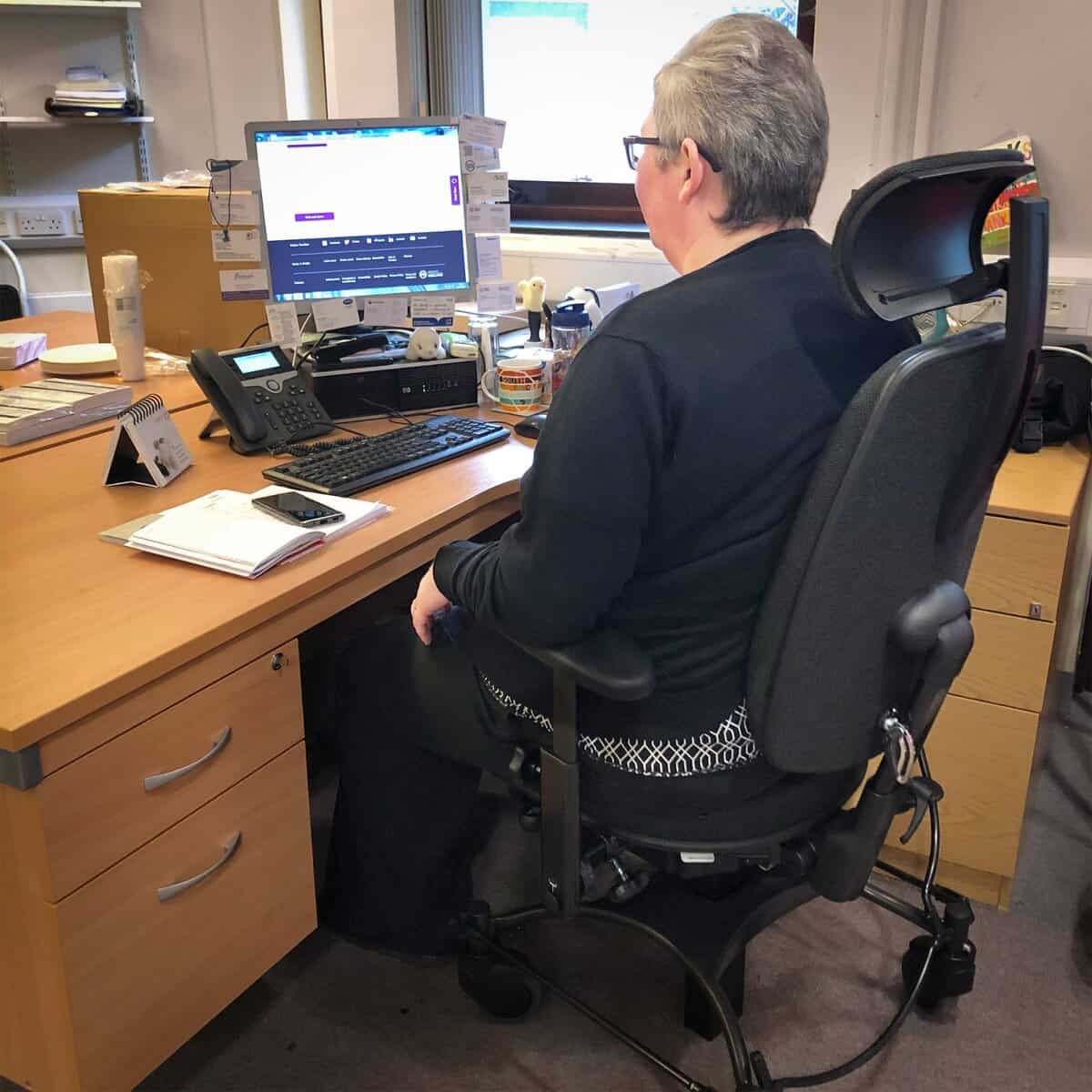
Mobility solutions such as the VELA Independence Chair can play a critical role in aging in place, enabling seniors to remain in their homes longer while preserving their independence. The chair’s features address common challenges faced by the elderly—such as the risk of falls and the physical demands of daily tasks. With a central brake for safety, electric height adjustability, and ease of movement while seated, the VELA Chair focuses on safety, dignity, and energy efficiency. This makes it easier for seniors to navigate their environments securely and comfortably, enhancing their quality of life. While VELA is not the only available solution, it is a practical option for those wishing to age in place with greater dignity and less reliance on caregivers.