

Updated February 2026: We have updated the article with 2026 innovations in assistive technology, including AI-powered mobility aids, IoT-integrated smart devices, predictive wearables, telehealth-enabled medical equipment, and regulatory trends addressing AI ethics and interoperability. These updates reflect best practices for independence, prevention, and compassionate technology use in senior care.
Good Samaritan Nursing Home: An In-Depth Exploration
Good Samaritan Nursing Home stands as North America’s largest not-for-profit senior care provider, operating nearly 140 facilities that serve over 10,000 residents daily. According to the American Hospital Association, approximately half of these residents rely on Medicaid, indicating the organization’s crucial role in delivering accessible care to older adults across multiple states.
The Good Samaritan Society’s Mission and History
Founded as the Evangelical Lutheran Good Samaritan Society, the organization has evolved into a cornerstone of senior care. The 2019 merger with Sanford Health facilitated greater resource allocation and innovation, enhancing resident care and solidifying its status as North America’s largest not-for-profit provider. This merger underscored the need for innovative solutions to address the aging population’s evolving needs, integrating healthcare services with a focus on rural communities where 70% of residents are located.
Comprehensive Care Services at Good Samaritan Nursing Homes
Good Samaritan facilities offer a wide array of services, including skilled nursing, rehabilitation, home-based care, assisted living, memory care, and independent living. This variety ensures residents receive care tailored to their specific health needs and personal preferences. According to Medicare.gov Care Compare, the society’s care model prioritizes a resident-centered approach, where individual needs guide care plans.
The care staff at Good Samaritan are committed to residents’ well-being, often detailing personal stories of fulfillment derived from supporting residents on their journey to better health. These narratives echo the organization’s dedication to maintaining dignity and autonomy for each individual.
Navigating Quality Ratings and Patient Care Standards
Selecting the right nursing home involves examining quality care metrics such as the CMS Five-Star Quality Rating System, which evaluates facilities based on health inspections, staffing levels, and quality measures. Good Samaritan Nursing Homes continuously strive to excel in these areas. The Centers for Medicare & Medicaid Services and ProPublica Nursing Home Database provide transparency by monitoring these quality indicators, ensuring facilities are held accountable and families are informed.
Some locations, such as Good Samaritan Society Hastings Village in Nebraska, are noted as Special Focus Facility Candidates due to ongoing quality challenges, but innovative programs are being implemented to improve outcomes and enhance resident satisfaction.
Facing the Challenges of Long-Term Care
Navigating the complexities of long-term care involves overcoming challenges such as financial constraints and operational hurdles, including Medicaid reimbursement issues and workforce shortages. These obstacles necessitate evolving strategies to manage residents’ complex health conditions. Staff and family stories highlight the resilience required to navigate these challenges, emphasizing the human element critical to senior care delivery.
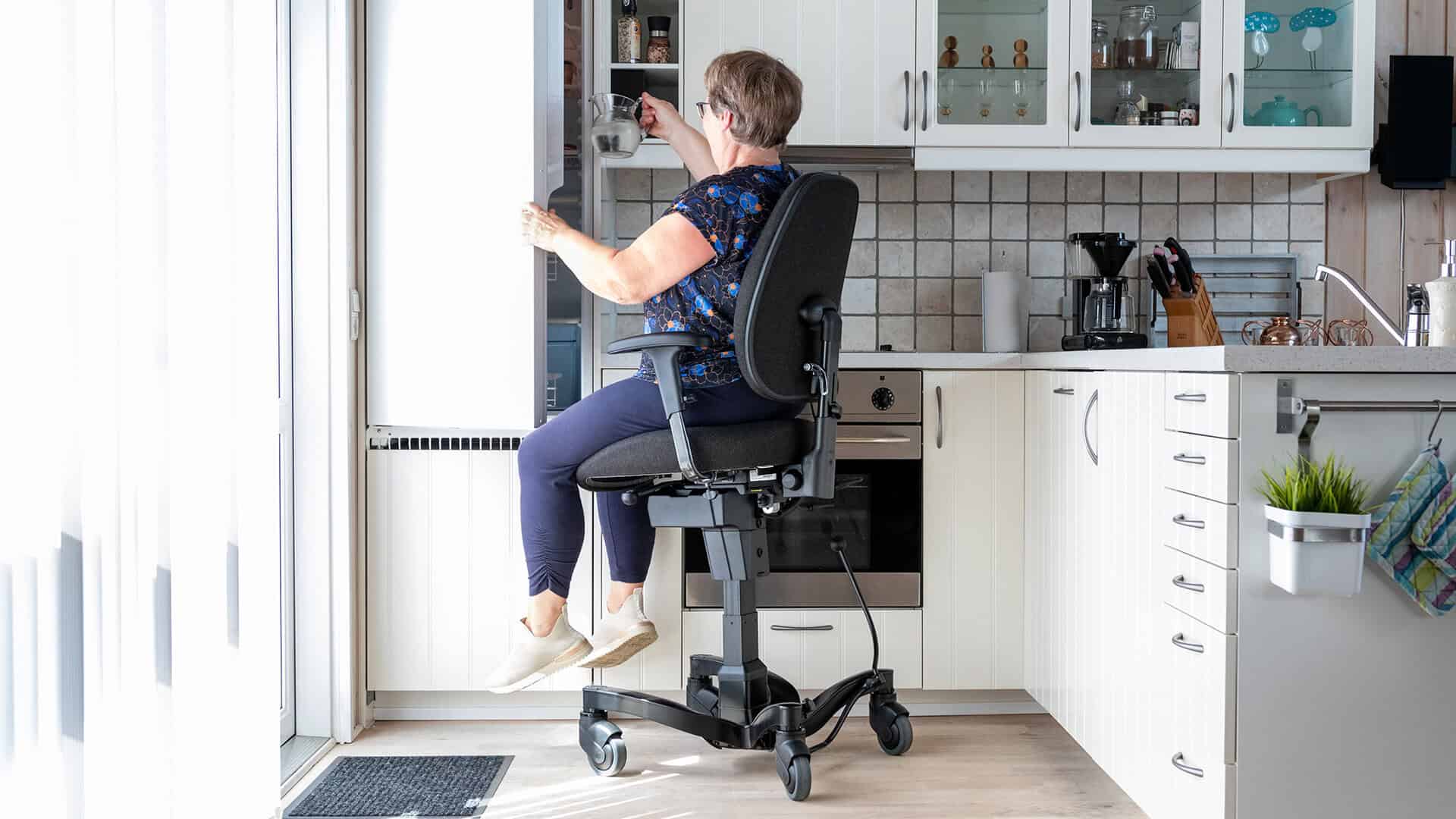
To address these challenges, solutions that promote independence in seniors and offer them safe living environments within their own homes have become crucial. Among them, VELA Chairs serve as an effective aid for seniors seeking to maintain autonomy at home. Designed as medically approved mobility chairs, they enhance safety by reducing fall risks, provide freedom of movement while seated, and support daily activities like cooking and dressing, all while easing caregiver strain. This practical approach allows a smoother transition for those who prefer or require home-based care alternatives.
Enhancing Resident Mobility and Independence
In recent years, significant advancements have emerged in mobility aids and home support for seniors. The latest assistive technologies in 2026 place a strong emphasis on AI-powered smart mobility devices, such as walkers and wheelchairs featuring obstacle detection, fall prevention, and voice controls, along with IoT-connected devices for seamless integration with smart home systems and remote monitoring by caregivers. These innovations now include wearables equipped with predictive analytics for early fall detection and personalized health insights, as well as power-assist wheelchair attachments, sensor-equipped bathroom aids, and even robotic companions and VR/AR rehabilitation tools. These tech-enabled devices are designed not only to prevent falls but to personalize care, encourage independence, and facilitate proactive health management at home and in care facilities. Everything Medical Online; Heisinger Bluffs; ResearchAndMarkets.com; iHealthcareAnalyst; LetsEnvision; UnitedHealthcare Community & State; Synchrony Florida; Tidewave; iHealthcareAnalyst; AllSeniors; Mobility Management; AANP.
Recent trends at CES 2026 and clinical practice highlight advances such as WheelMove power assists for manual wheelchairs, telehealth-embedded durable medical equipment (DME), and ergonomically designed, sensor-equipped bathroom safety devices. At the same time, regulatory changes are increasingly focusing on AI ethics and the interoperability of devices, which helps ensure safe, equitable, and secure implementation of intelligent assistive technology in nursing home settings.Mobility Management; AllSeniors; AANP.
While Good Samaritan provides comprehensive institutional care, incorporating mobility solutions like VELA chairs offers seniors greater independence and safety, reducing fall risks and enhancing life quality. By integrating practical tools, residents experience a harmonious blend of facility-based care and personal autonomy. For more details, visit VELA Chairs for inspiring mobility solutions.
In summary, Good Samaritan Nursing Home is renowned for its commitment to compassionate and quality care rooted in a strong tradition and mission. The organization’s extensive services and focus on quality outcomes guarantee unmatched support for residents. Simultaneously, home-based alternatives like VELA chairs present valuable options for those prioritizing autonomy.
When considering care options for loved ones, it’s essential to weigh all available choices, ensuring the selected environment aligns best with their comfort, care quality, and lifestyle preferences.
Staying Independent at Home with Support
As older adults seek to maintain their independence, smart mobility solutions like VELA Chairs can be instrumental. These chairs are equipped with features such as a central brake for enhanced safety and electric height adjustability, which ease activities like cooking and dressing, reducing the physical demands often placed on informal caregivers. Beyond mobility chairs, the current standard of care incorporates connected and AI-driven technology—including wearable monitors delivering predictive health analytics and early warning for falls, sensor-equipped grab bars in bathrooms, integrated telehealth platforms, and voice-activated controls for the home. These tools together foster proactive care, real-time monitoring, and seamless coordination between families and healthcare providers, reflecting a broader shift towards personalized, preventive healthcare and greater autonomy in aging-in-place.AllSeniors; AANP.
By emphasizing user-friendly, customizable, and interoperable assistive devices, today’s solutions address a wide spectrum of functional needs. Innovations such as VR/AR for rehabilitation, robotic companions for social engagement, and clinical-grade AI for remote disease management are setting new standards for inclusivity and quality in senior care. For more on how these innovative solutions support elderly independence, visit mobility chairs that support elderly independence.