
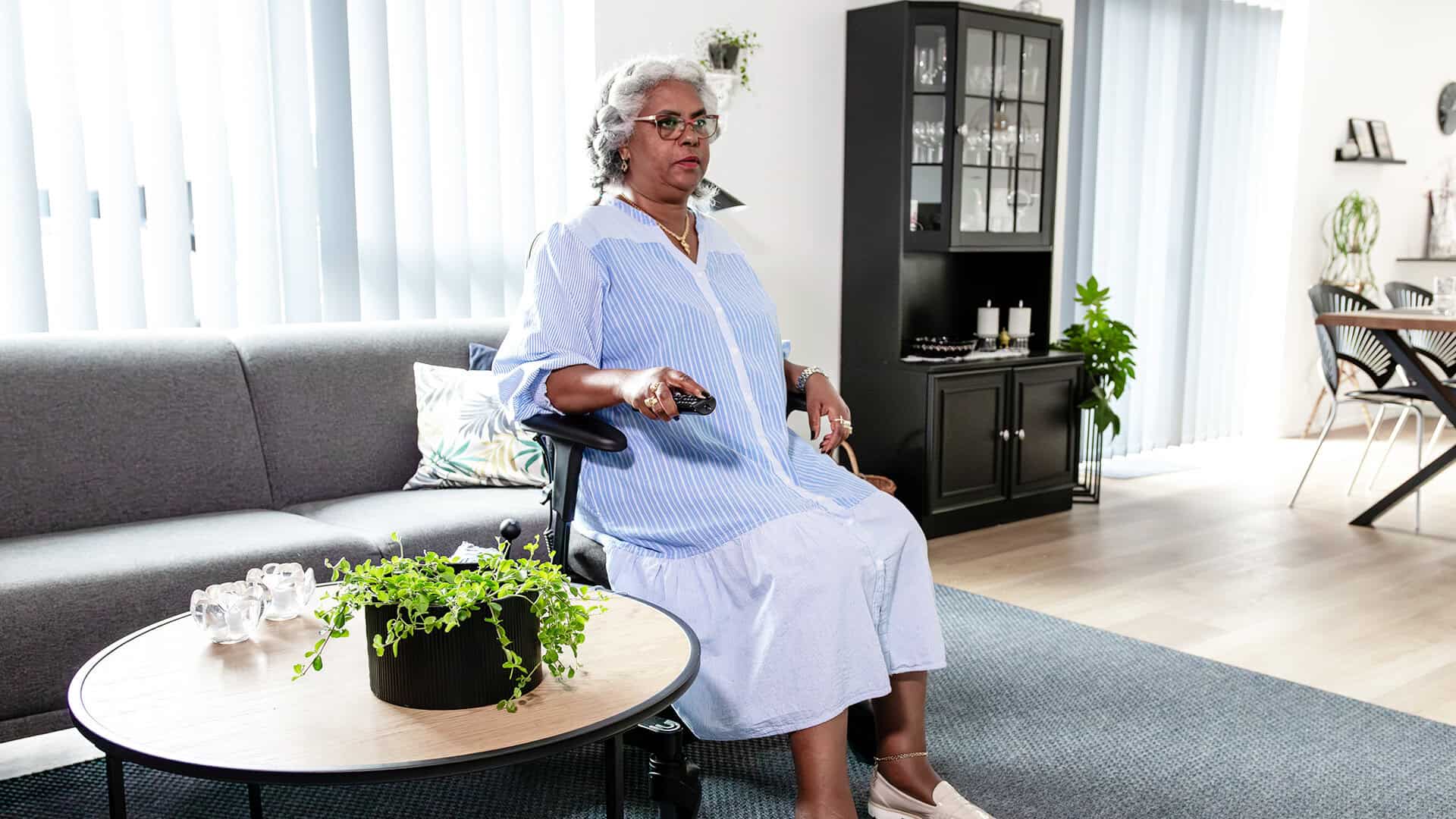

Updated January 2026: We have updated the article with new regulatory changes, including the repeal of federal minimum staffing standards, and the latest advances in AI-powered monitoring, smart mobility aids, and wearable technology in nursing homes. These updates reflect recent trends in assistive technologies, real-time remote monitoring, and changes in compliance that affect quality care for seniors in Gowanda and beyond.
Exploring Nursing Home Options in Gowanda, NY
Gowanda, a quaint village in Western New York, offers a selection of reputable nursing facilities catering to the community’s senior residents. Among these, the Gowanda Rehabilitation and Nursing Center stands out as a primary choice, presenting a comprehensive range of services to meet both long-term care and rehabilitation needs. Located at 100 Miller Street, this facility features 160 beds and boasts a 95.6% occupancy rate, indicating its reliability and popularity in the region—information corroborated by LeadingAge New York.
For those considering alternatives, Peregrine Senior Living and Elderwood Assisted Living are notable contenders, providing various care levels tailored to different resident needs. These establishments emphasize enhancing residents’ quality of life through engaging daily activities and personalized care plans. Facilities in the region are increasingly implementing advanced smart technologies to further support resident safety and autonomy, following national trends in senior care.[1][2][3][6][7]
Evaluating Services and Ratings of Gowanda Rehabilitation and Nursing Center
When it comes to selecting a nursing home, thoroughly understanding the quality and range of services offered is vital. According to Medicare.gov Care Compare, Gowanda Rehabilitation and Nursing Center is highly evaluated for its comprehensive care and adherence to quality measures. This includes detailed insights into staffing levels, which significantly influence the facility’s ability to deliver exceptional care. Gowanda Rehabilitation excels in its rehabilitation services, providing customized therapies designed to enhance mobility and expedite recovery for residents.
Nursing homes in Gowanda are adopting AI-powered health monitoring, advanced smart wheelchairs, predictive analytics, and remote patient monitoring devices to proactively detect early signs of health decline, fall risks, or emerging cognitive issues. These technologies enable personnel to personalize care interventions, optimize recovery timelines, and minimize emergencies, thus improving safety and outcomes for all residents. Integration of multilingual wearables, remote monitoring sensors, and intelligent digital assistants further expands access and supports a more inclusive care environment.[1][2][3][5][7]
However, it’s crucial to compare occupancy rates against state medians to gauge demand and care standards. The facility’s staffing levels often draw scrutiny, with an average score of 2.7 out of 5.0, indicating room for improvement. Nonetheless, its quality measures score a commendable 3.8, reflecting an ongoing dedication to resident care improvement, as noted by NursingHomes.com. Integration of tech-enabled solutions such as automated scheduling, remote patient data collection, and AI-assisted task management has been recommended by recent clinical and regulatory guidelines to further address staffing challenges, automate routine tasks, and enhance resident wellbeing. Facilities have also begun incorporating mandated health equity analyses in their quality assurance programs, as outlined in the latest CMS requirements.[2][4][5][6]
Recent regulatory changes also impact care standards. In December 2025, the federal minimum staffing requirements for nursing homes were repealed, removing the mandates for 24/7 registered nurse coverage and minimum daily nursing care hours. Facilities now have more flexibility but must rely even more on advanced monitoring technologies, robust staff training, and smart care solutions to maintain safety and quality outcomes.[2][6][8]
Understanding the Costs of Nursing Homes in the Gowanda Area
Cost often plays a critical role in the decision-making process for nursing home selection. The average nursing home cost in Gowanda is approximately $4,945, slightly lower than the regional average of $5,512, according to A Place for Mom. Factors such as the level of care required, facility location, and additional services can influence these costs significantly.
Payment options like Medicare and Medicaid are essential in alleviating the financial burden for many families. Understanding the eligibility criteria for these programs can assist in more effectively planning the transition to a nursing facility. Furthermore, recent government-supported initiatives and market trends are driving the availability of cost-effective and inclusive assistive devices, improving affordability for residents. CMS regulatory updates effective in 2025 introduce important changes, such as stricter admission agreement rules (with the removal of third-party payment guarantees), stronger staffing compliance reporting, and tighter guidelines for medication protocols—further reinforcing transparency and resident-centered financial planning.[2][4][5][6]
Quality of Care and Resident Experience in Gowanda Nursing Facilities
The quality of care and resident experience are paramount in assessing a nursing home’s suitability. Facilities in Gowanda, including Gowanda Rehabilitation and Nursing Center, prioritize resident comfort and engagement. Standard offerings such as group exercises and leisure events contribute to a vibrant living experience, according to Family Assets. Today, facilities enhance these experiences by integrating telehealth options, enabling remote consultations and continuous health monitoring for increased convenience and continuous care. Wearable devices and tele-rehabilitation are increasingly being used for ongoing chronic disease management and personalized therapy regimens.[1][2][3][5]
Positive testimonials from residents and family members often highlight the attentiveness and dedication of the staff. Nevertheless, the staff-to-resident ratio remains a crucial metric affecting care quality. Enhancing staffing levels could improve care delivery and the resident experience, as reflected in ongoing feedback. Additionally, the adoption of smart and connected assistive devices—including smart wheelchairs with AI features, real-time health metrics, collision avoidance, GPS navigation, and ergonomic, foldable design—provides residents with greater independence, comfort, and safety. Remote customization through smartphone apps and IoT integration allows caregivers to monitor and adjust devices for optimized support. New CMS guidelines also strengthen resident rights regarding transfers and discharges, require informed consent for psychotropic medication use, and impose updated standards for CPR certification and physical environment safety, all aimed at optimizing the resident experience.[1][2][3][4][5][6][7]
- Synchrony Home Health Care, “The Future of Home Health Care: Trends to Watch in 2025” (2025-04-10), source
- ButterflyMX, “Senior Living Technology Trends 2025” (2025-07-11), source
- Harvard Blog, “The Future of Senior Living: Trends to Watch in 2025” (2025-01-13), source
- Everything Medical Online, “The Latest Trends in Mobility Aid Technology for 2025” (2025-05-30), source
- American Medical Association, “Health Care Technology Trends 2025: AI Benefits, Wearable Use” (2025), source
- Sandberg Phoenix, “Major CMS Revisions to Nursing Home Surveyor Guidance: What Owners Need to Know for 2025” (2025), source
- Let’s Envision Blog, “What’s Next for 2025: The Future of Assistive Technology & AI” (2025), source
- Kaiser Health News, “Trump Administration Repeals Federal Nursing Home Staffing Standards” (2025-12), source