

Updated September 2025: We have updated the article with the latest information on AI-powered assistive devices, remote health monitoring, telehealth integration, and smart home technologies transforming nursing home care. Enhanced emphasis is placed on personalized care through technology, improved safety and independence, new trends in rehabilitation solutions, and important regulatory considerations regarding data privacy and ethical AI in senior care.
Nursing Homes in Hamilton, Ohio: A Comprehensive Guide
As the population ages, providing quality care for seniors becomes increasingly important, especially in cities like Hamilton, Ohio, where nursing homes are a crucial resource for families. With various options available, from traditional nursing homes to innovative home-based solutions, families need expert guidance to make informed decisions. According to Centers for Medicare & Medicaid Services, facilities like the Golden Years Nursing Center rank in the top 10% of nursing homes in the area, highlighting Hamilton’s commitment to excellence in senior care.
Understanding Nursing Home Options in Hamilton, Ohio
Navigating the nursing home landscape in Hamilton can initially seem daunting. The city hosts several reputable facilities, each with its unique specialties and strengths. Golden Years Nursing Center and Birchwood Care Center stand out due to their high ratings and comprehensive care services. Selecting the right nursing facility involves considering specific needs such as medical requirements, available amenities, and the facility’s approach to personalized care.
For example, at Golden Years Nursing Center, residents can benefit from tailored physical and occupational therapies in an environment that includes vibrant social activities aimed at enhancing residents’ quality of life. In contrast, Birchwood Care Center is renowned for its supportive community setting, which can provide comfort and a sense of belonging crucial for emotional well-being.
To better understand the landscape, Medicare.gov provides an overview of nursing homes in Hamilton, offering valuable insights into their ratings and overall quality. This information is crucial for families striving to match their loved ones with the most suitable care environment.
Top-Rated Nursing Facilities in Hamilton: Comprehensive Reviews
Golden Years Nursing Center is a standout in the Hamilton area, offering 70 certified beds with around-the-clock skilled nursing care. This facility has a five-star rating for its exceptional service that includes physical and occupational therapies, which are instrumental for rehabilitation and maintaining independence. They also facilitate regular social outings and musical performances to improve residents’ life quality.
Conversely, the Birchwood Care Center is celebrated for its engaging social environment and supportive community, essential factors when evaluating long-term care options. This facility prides itself on creating a homely atmosphere with ample outdoor areas and activity centers, though they have a no-pet policy that should be considered by pet-owning families.
Cost Comparison of Hamilton Nursing Homes
Quality of Care: Staffing, Inspections, and Ratings Explained
Quality metrics like staffing ratios, inspection results, and ratings are critical in assessing a nursing home’s performance. According to ProPublica Nursing Home Inspect, Golden Years Nursing Center is well-regarded for maintaining a favorable staff-to-resident ratio, which ensures attentive and personalized care. The facility’s nurse turnover rate is 43.1%, beneath the state average of 51.7%, indicating a more stable care environment. Regular inspections ensure compliance with health and safety standards, providing transparency for families making these significant decisions.
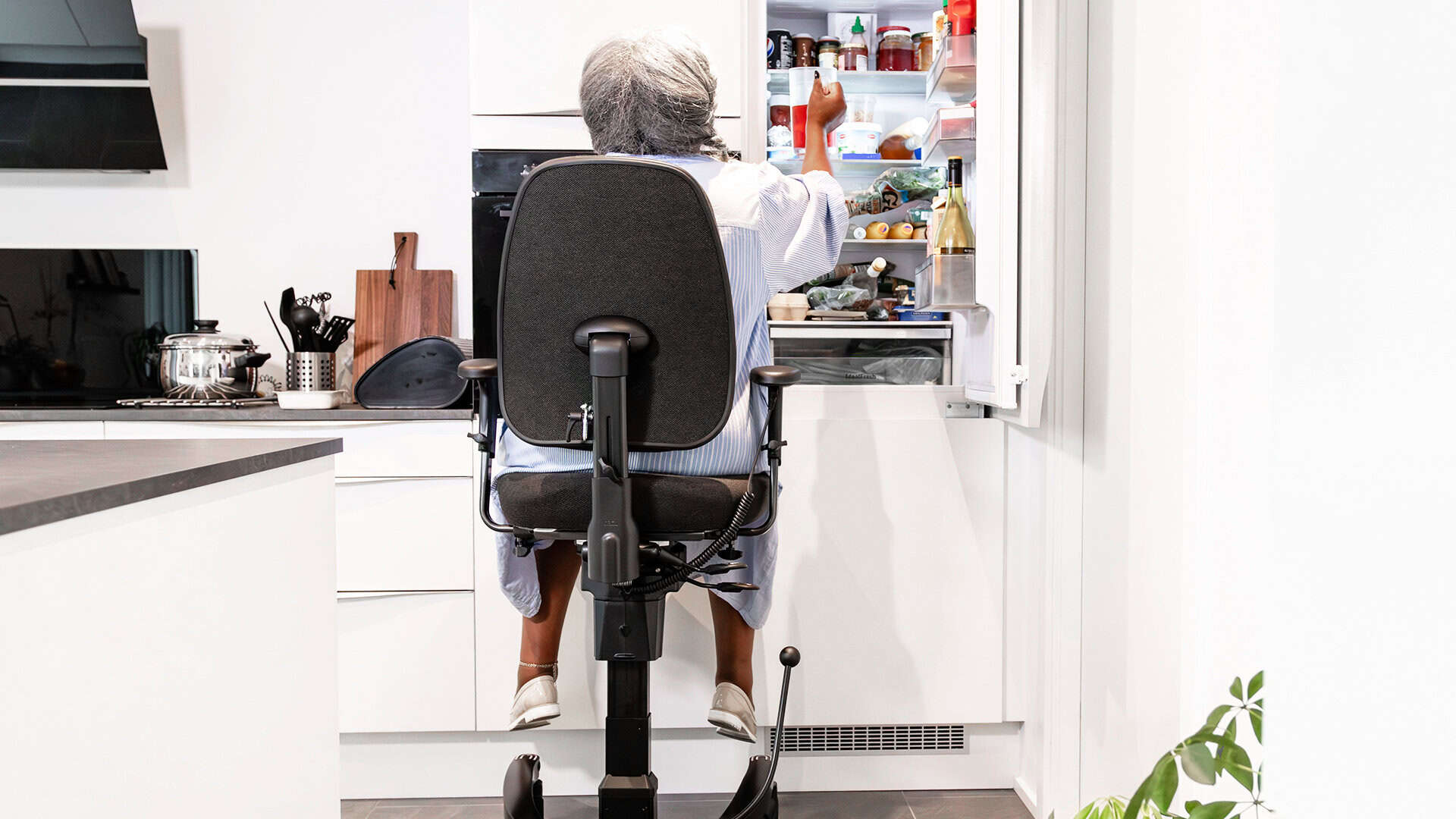
Transitioning from institutional care, many families are also considering home-based solutions to maintain independence and personal comfort. Adaptive equipment, such as Independence with VELA Chairs, offers a great alternative by supporting seniors at home. VELA Chairs, medically approved mobility aids, enhance safety, freedom of movement while seated, and daily activity support like cooking, dressing, or transferring. By reducing the physical strain on informal caregivers, they help seniors maintain dignity and autonomy in their homes.
Innovations in Nursing Home Care: AI and Smart Technologies
Recent advancements are transforming how care is delivered in Hamilton nursing homes and home settings. The integration of AI-powered assistive devices, such as smart wheelchairs equipped with GPS, collision avoidance, and health monitoring, is enhancing resident safety and independence by adapting to each user’s needs. Remote health monitoring now utilizes AI predictive analytics, enabling staff to detect early signs of health deterioration or increased fall risk and provide timely interventions, which can help reduce hospitalizations and promote better outcomes Synchrony Family Living, 2025.
Telehealth platforms have become an essential part of senior care, allowing for virtual medical consultations, ongoing health tracking, and mental health support without requiring residents to leave the facility Harvard Business Review Health Care Blog, 2025. Smart home systems, including voice-activated assistants, automated lighting, smart locks, and fall detection devices, are increasingly incorporated within nursing and home care environments to further improve safety, ease daily routines, and support long-term independence ButterflyMX Blog, 2025.
Rehabilitation and support products are also evolving. Device designs now emphasize ergonomics and customization, with AI-enabled solutions adjusting to user movement patterns, offering enhanced mobility, and personalizing support for rehabilitation and daily life Everything Medical Online, 2025.
As these new technologies become standard, regulatory oversight continues to grow with a focus on ethical AI deployment, data privacy, and reduction of bias in healthcare technologies. Nursing homes in Hamilton and beyond are increasingly addressing these concerns to ensure resident safety, transparency, and compliance Skilled Nursing News, 2025.
Conclusion
In summary, the Hamilton nursing home market offers a range of high-quality care options, each with distinct advantages. By examining factors such as facility ratings, costs, and quality metrics, families can choose a setting that best suits their loved ones’ needs. Additionally, the rise of advanced assistive technology, AI-powered monitoring, and telehealth platforms is significantly improving safety, autonomy, and health outcomes for seniors both in nursing homes and through home-based services. Exploring solutions like VELA chairs and adopting modern technology ensures a full spectrum of personalized care that addresses both medical and social needs, prioritizing well-being and quality of life.
Supporting Aging in Place: A Practical Option
Mobility solutions like VELA Chairs are transforming how seniors experience life at home, offering essential support that can help delay the need for nursing home care. These chairs provide increased stability with features like central brakes for safety and electric height adjustability that simplify transfers and daily tasks. Without a VELA Chair, seniors may struggle with energy-draining movements or risk falls, but with one, they can enjoy the freedom to safely cook, clean, or relax. This practical approach not only preserves dignity and enhances safety but also eases the workload on caregivers, making it a valuable complement to traditional care methods. While VELA solutions are not the only option, their proven effectiveness underscores their potential in fostering long-term independence for seniors at home.
References:
- Synchrony Family Living, “The Future of Home Health Care: Trends to Watch in 2025”
- ButterflyMX Blog, “Senior Living Technology Trends 2025”
- Harvard Business Review Health Care Blog, “The Future of Senior Living: Trends to Watch in 2025”
- Everything Medical Online, “The Latest Trends in Mobility Aid Technology for 2025”
- Skilled Nursing News, “Top Skilled Nursing Trends for 2025”