

Updated September 2025: We have updated the article with the latest developments in smart assistive technologies, ergonomic equipment, hybrid rehabilitation models, regulatory requirements, and resident-centered feedback in nursing home and assistive care, including new guidelines on technology integration and adaptive design.
Comprehensive Guide to Harvest Manor Nursing Home: A Trusted Care Facility in Denham Springs
When it comes to making informed decisions about long-term care for a loved one, understanding the reputation and offerings of a facility is essential. Harvest Manor Nursing Home, also known as Harvest Manor Healthcare and Rehabilitation Center, stands out in Denham Springs for its commitment to providing quality care tailored to individual needs. According to Medicare.gov, the center boasts a bed capacity of 171, with an average occupancy of 163 residents, highlighting its role as a trusted pillar in the community.
Exploring Harvest Manor: A Trusted Care Facility in Denham Springs
Established with a mission to offer compassionate and professional care, Harvest Manor has been serving the Denham Springs community with dedication and expertise. The facility, located at 839 North Range Avenue, ensures a welcoming and well-maintained environment for residents. The Quirk family, including prominent members such as Gene Quirk and Scott Holden Quirk, owns this for-profit limited liability company, which demonstrates a solid commitment to high standards. Managed by Kimberly Delatte since January 2011, with experience in health administration, the facility benefits from trusted leadership, ensuring a structured approach to healthcare. According to ProPublica, Harvest Manor has maintained compliance with health standards, with modest fines indicating a focus on continual improvement, which is vital for trust.
Residents might experience daily life with structured schedules incorporating personalized rehabilitation services, family visits, and various engaging activities tailored to their abilities. Community programs enhance social interaction, vital for mental health, and residents are encouraged to participate in decision-making regarding their care to bolster their sense of autonomy. In line with recent trends, the facility has begun integrating voice-activated environmental controls, smart sensor technologies, and other assistive devices, which further support resident independence and engagement.1 2
Delivering Quality Care: Services and Programs at Harvest Manor
Harvest Manor provides a spectrum of essential care services, ensuring each resident receives personalized attention based on their unique needs. Offering comprehensive programs including rehabilitation and long-term care, its specialized services include physical, occupational, and speech therapies designed to enhance the quality of life. Such therapies help residents regain independence and functionality, with exercises staged in a way to maximize safety and effectiveness under professional supervision.
The center now embraces advanced ergonomic design, offering modular wheelchairs, pressure-relieving seating systems, and beds with integrated biomonitoring. These features contribute to improved comfort and safety, reducing the risk of pressure ulcers and supporting mobility.3 Rehabilitation practices have transitioned to include both in-person therapy and tele-rehabilitation, augmented by the use of wearable monitoring devices. This hybrid approach is supported by evidence demonstrating improved functional outcomes and reduced hospital readmissions in nursing facility residents.4 5
The center prides itself on favorable staff-to-resident ratios, fostering an environment where detailed care is possible. According to Louisiana Department of Health COVID-19 data, Harvest Manor implemented robust health protocols to safeguard its residents during challenging times, such as the COVID-19 pandemic, demonstrating adaptability and commitment to safety, essential for peace of mind. Updated regulations from CMS and Louisiana now call for enhanced infection control and formal integration of assistive technologies into care, which Harvest Manor has begun to address to meet quality expectations.6
Measuring Excellence: Quality Ratings and Performance Metrics
Understanding a facility’s performance metrics is crucial for ensuring it meets high standards. Harvest Manor’s dedication to quality is reflected in its Medicare ratings, though specific star ratings were not provided in recent CMS data. The Centers for Medicare & Medicaid Services utilize a detailed system to rate facilities based on health inspections, staffing, and resident care quality. Updates since 2025 place greater value on assistive technology adoption and resident-centered care metrics in facility ratings.6 Harvest Manor’s proactive approach to addressing compliance and quality challenges, highlighted by their recent inspection reports from ProPublica, emphasizes transparency and accountability, gaining community trust. Feedback from residents and staff increasingly highlights the importance of access to innovative technologies and the critical role of staff training for the successful adoption of these solutions.1
Guiding Your Journey: Admission Process and Financial Planning
Embarking on the journey with Harvest Manor begins with understanding the admission process. The facility accepts Medicare and Medicaid, easing the financial burden for many families. Detailed communication on private pay rates and various insurance options allows prospective residents to plan financially for their care needs. According to SNFData, the structured admission process ensures clarity, helping families feel supported during transitions. This step-by-step process involves medical assessments and discussions of care plans, aligning resident needs with the facility’s services. New regulations also recommend informing families about the availability of smart assistive devices and hybrid rehabilitation services as part of the care planning discussion.6
Addressing Challenges with Enhanced Mobility Solutions
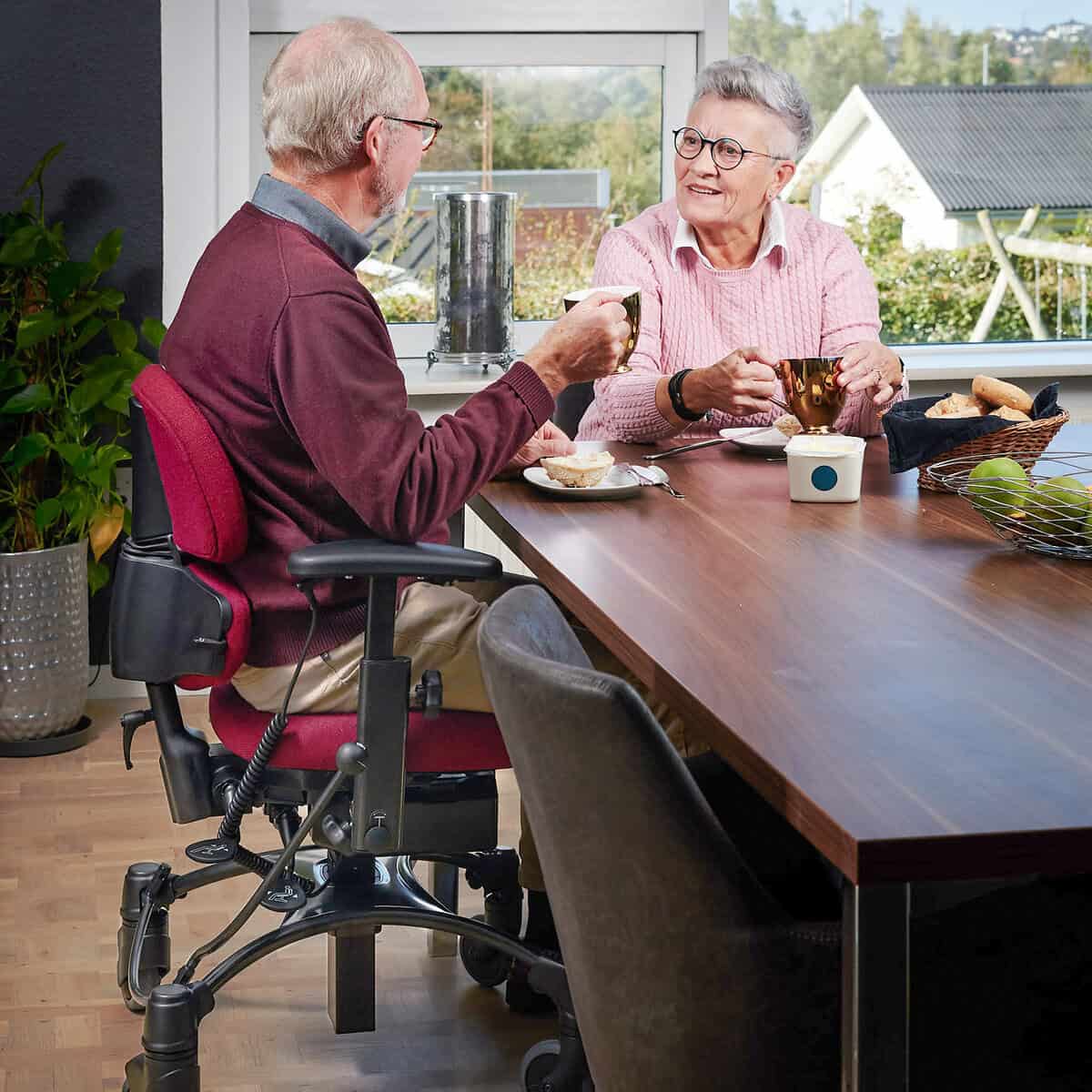
The transition to nursing home care often involves addressing mobility and safety concerns of residents. While these facilities provide essential support, families might explore solutions that offer independence at home as a viable option. Introducing innovative tools like VELA mobility chairs can be a critical element in this strategy. Designed for home use, the VELA chair offers medical-grade mobility, elevating safety, providing freedom of movement while seated, and supporting daily activities like cooking, dressing, and transferring, which minimizes demands on informal caregivers. Investing in such equipment enhances control over personal care, enabling aging adults to remain in familiar environments longer.
Supporting Aging in Place: A Practical Option
Leveraging the benefits of specialized equipment can significantly impact an elderly person’s ability to live independently. VELA Chairs are particularly beneficial for older adults aiming to extend their independence and delay the transition to a nursing facility. Features like a central brake enhance safety by providing stable seating, while adjustable height facilitates ease in standing and transferring, reducing fall risks. Smooth-rolling casters allow for effortless movement within the home, enabling freedom and the ability to engage in daily activities such as meal preparation and leisure without overexerting energy. Although not the sole option available, VELA Chairs exemplify how thoughtfully designed products promote dignity and autonomy in senior daily living.