

Updated January 2026: We have updated the article to include information on the recent $7,000 grant awarded to Heritage Square Dixon for enhancements to its rehabilitation, outdoor, and entertainment spaces. The update highlights Heritage Square’s ongoing investments in holistic rehabilitation and resident-centered design as of early 2026, and confirms continued five-star care ratings based on the latest Medicare data.
Updated September 2025: We have updated the article with the latest evidence on AI-driven assistive devices, robotics for mobility and rehabilitation, remote patient monitoring, and emerging regulatory and policy changes in nursing home care. The article now includes discussion of personalized, tech-enabled care models, ergonomic and inclusive device design, and broader adoption of smart, sensor-enabled tools in both institutional and home-based settings.
Balancing Tradition and Innovation in Senior Care Solutions
The expansion of Heritage Square Nursing Home facilities across the United States and Canada signifies a profound contribution to senior care. With a commitment to maintaining high living standards for residents, these facilities have gained recognition for their quality. As of Q3 2024, the skilled nursing industry’s occupancy rate rose impressively to 84.5%, according to the National Investment Center for Seniors Housing & Care (NIC), underlining the growing reliance on institutions like Heritage Square to meet the diverse needs of an aging population. According to Medicare.gov and ProPublica Nursing Home Inspect, these facilities are distinguished by their comprehensive focus on safety and support.
Overview of Heritage Square Nursing Homes
Heritage Square Nursing Homes serve as keystones in their communities, with locations such as Greendale, Wisconsin; Dixon, Illinois; British Columbia, Canada; and Arkansas, each uniquely equipped to attend to their residents’ needs. For example, the Dixon, Illinois facility, featured in Elder Guide, is celebrated for its non-profit status and diverse care programs like personal care, medication management, and physical therapy. In Dixon, according to the same source, the facility exhibits an occupancy rate of 61.48% and a 98.68% vaccine usage rate, underscoring their proactive health measures.
Recent developments further emphasize the commitment of Heritage Square Dixon to resident well-being. In January 2026, Heritage Square Dixon received a $7,000 grant from the William & Beverly Burkardt Family Foundation, designated for enhancements to its rehabilitation room, outdoor gathering areas, and entertainment center spaces. These upgrades are aimed at boosting residents’ physical strength, emotional well-being, social connection, and overall quality of life. This initiative aligns with the facility’s emphasis on restoring independence and fostering community through holistic rehabilitation and enriched communal environments.[1][3]
British Columbia’s facility, as reported by Seniors Advocate BC, caters predominantly to seniors with dementia, with a notable 58.5% of residents requiring such care. The average resident age here is 85, emphasizing tailored care strategies to manage complex health needs. Community engagement underscores the pivotal role these homes play, with testimonials frequently praising the personal touch and quality care offered.
Quality of Care and Specialized Programs
Evaluating Heritage Square Nursing Homes reveals noteworthy efforts to align care with industry standards. Specialization in dementia care, hospice, and mobility services demonstrates a comprehensive care model that prioritizes residents’ wellbeing. ProPublica Nursing Home Inspect confirms their focus on high vaccination rates and resident mobility, which are critical to improving health outcomes and quality of life.
The Dixon facility, for instance, supports continuing mobility for 27.95% of its residents, reflecting their commitment to physical activity as a key aspect of resident care. This focus sets a benchmark, often exceeding state and provincial expectations and providing a robust foundation for resident safety and satisfaction.
Recent trends in assistive devices within Heritage Square facilities include the adoption of AI-integrated mobility aids such as smart wheelchairs and walkers. These devices now commonly feature sensors for fall detection and adaptive responses to residents’ gait patterns and surrounding environments, helping to strengthen safety and increase independence. Facilities are also utilizing mobility equipment crafted from innovative, lightweight materials for greater comfort and usability.[1][2]
In addition, robotics are increasingly incorporated to enhance mobility assistance and rehabilitation. Robotic companions and robotic physiotherapy devices help residents engage in physical rehabilitation sessions, often reducing caregiver strain and offering tailored, data-driven exercise routines. AI-driven tools also enable ambient listening and predictive analytics, supporting clinical documentation and enabling more personalized care by analyzing health trends and resident needs.[1][3][4][5][6][8][9][10]
In terms of rehabilitation, Heritage Square is expanding access to advanced solutions such as VR-based rehabilitation programs and robotics-assisted physiotherapy. These approaches offer immersive, responsive feedback and individualized pacing, supporting residents in maintaining cognitive and motor functions.[1][3]
The latest Medicare Care Compare update, as of January 2026, confirms that Heritage Square maintains high-quality care ratings across all aspects, further evidencing ongoing excellence in care standards.[4]
Resident Demographics and Profiles
A deep understanding of resident demographics at Heritage Square is essential for effective care strategies. In British Columbia, Seniors Advocate BC reports a predominance of older female residents, with many experiencing mobility challenges or depression. Such insights lead to the development of specialized programs promoting social interaction and mental wellness, essential components for enhancing residents’ quality of life. Interviews and narratives illustrate personalized plans addressing individual needs, like modifying living spaces for those with mobility issues or fostering community connections for isolated individuals.
With advances in universal and ergonomic design, facilities increasingly use 3D scanning and printing technologies to provide mobility supports and seating solutions tailored to the unique needs of each resident. Assistive device development now emphasizes user comfort, inclusivity, and the integration of smart home features such as voice-activated controls and automated environmental adjustments to create supportive, barrier-free environments. Direct user and clinician feedback increasingly guides these designs to enhance both functionality and dignity.[4][5][9]
Industry Trends Affecting Nursing Home Care in 2025
The nursing home industry, according to ACPlus, faces evolving dynamics characterized by rising occupancy rates and shifts in Medicare reimbursement. A notable 4.2% increase in Medicare Part A payments marks opportunities for facilities like Heritage Square, yet it also beckons a push towards alternative, cost-effective care models that prioritize autonomy.
The industry is also seeing the integration of digital health monitoring and predictive analytics in resident care plans. Remote patient monitoring (RPM), wearable health monitors, and smart home integrations now play a central role in early detection of health changes, fall prevention, and chronic disease management. These technologies enable real-time interventions and personalized rehabilitation support, supporting evidence-based protocols shown to reduce hospitalization and improve outcomes. Robotics and AI-powered tools improve clinical workflows by reducing documentation burdens and by enabling clinicians to focus more on direct care.[1][3][4][5][6][8][9][10]
Regulatory and policy changes are facilitating the adoption of enabling technologies, with Medicaid and Medicare models increasingly making provisions for coverage of RPM, assistive robotics, and AI-driven support systems. Updated clinical guidelines now recommend integrating these tools into routine care for improved effectiveness and efficiency.[5][6][8]
Leading experts in senior care emphasize interdisciplinary collaboration among healthcare professionals, engineers, and product designers to ensure that new assistive technologies have intuitive interfaces and are discreet in everyday use. User feedback drives improvements in design, prioritizing dignity and autonomy for residents.[3][4][5][9]
Exploring Alternatives to Nursing Homes
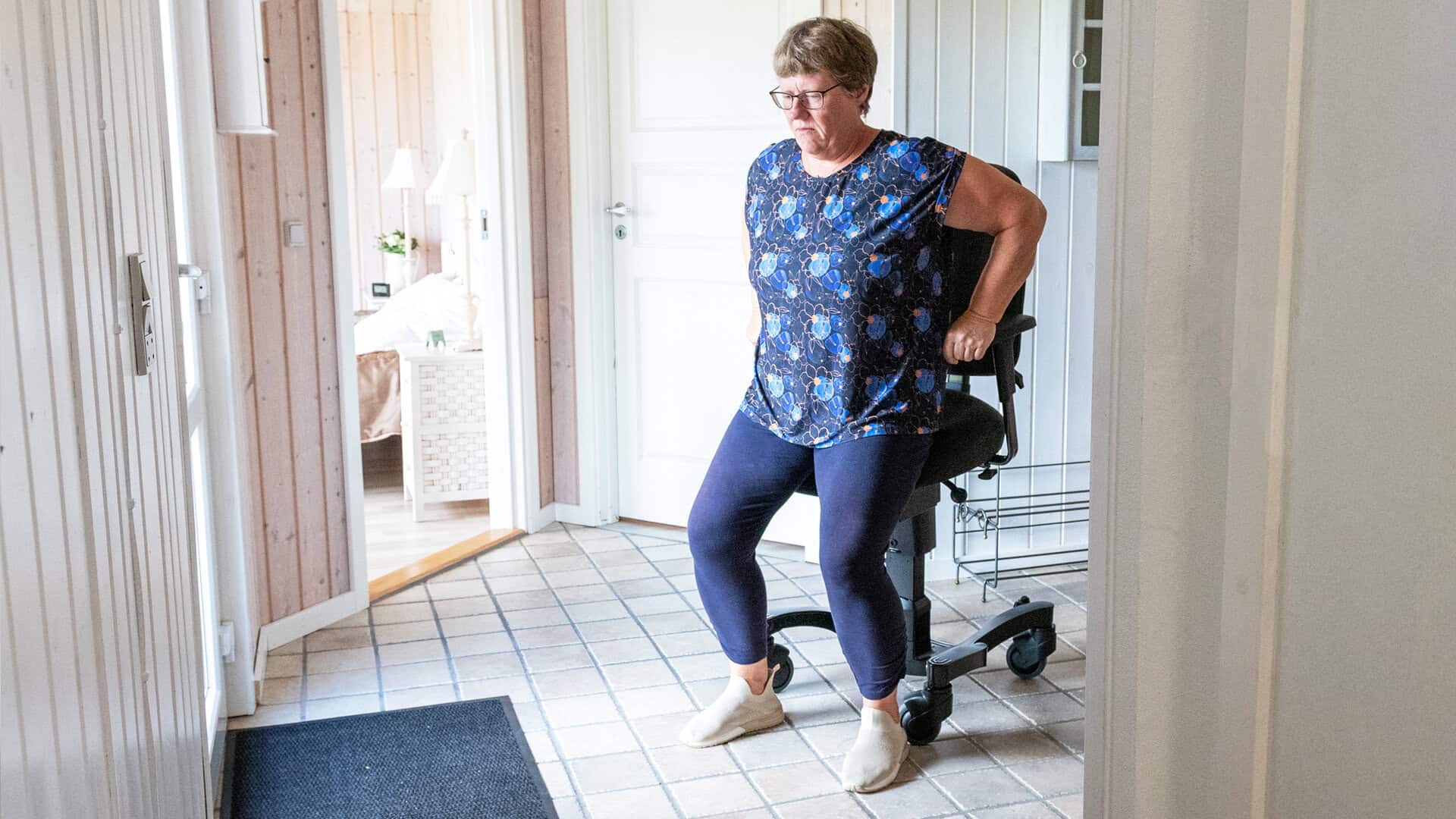
As the desire to remain in familiar home settings grows among seniors, mobility solutions such as the VELA Independence Chair offer a feasible and dignified alternative to nursing home care. This innovative chair supports an aging-in-place strategy, with features addressing the everyday challenges seniors face. Critical elements like its central brake enhance safety, while electric height adjustability simplifies transitions and activities. Seniors using VELA Chairs enjoy improved freedom and energy efficiency, empowering them to perform daily routines such as cooking and cleaning more comfortably. This autonomy potentially delays the need for institutional care, providing both physical and emotional benefits. Independent Living Solutions and Mobility Aids for Senior Safety serve as essential tools in reducing caregiver burden and fostering an environment where dignity, safety, and independence are prioritized. Though not the only solution, VELA presents a proven, practical option for supporting seniors at home.