

Updated January 2026: We have updated the article to reflect 2026 trends in senior care, highlighting advances in AI-driven health monitoring, robotic exoskeletons, wearable sensors, virtual rehabilitation therapy, and smart home adaptations. These developments improve mobility, safety, and independence for nursing home residents and those aging in place. Additional sources on current technology integration and personalized care models have been included for clarity and accuracy.
Introduction to Hickory Creek Nursing Homes
Hickory Creek Nursing Homes is a distinguished network of elder care facilities primarily located in Indiana, with a presence in Ohio as well. Known for their unwavering commitment to quality care and active community involvement, these facilities provide an exemplary model of elder care. The Hickory Creek facility in Rochester, Indiana, stands out due to its record of zero substantiated complaints over the last two years, as confirmed by the Indiana State Department of Health. This achievement highlights the network’s dedication to maintaining high standards and enriching resident satisfaction through continuous improvement efforts and community feedback integration.
Overview of Hickory Creek Nursing Homes
Positioned strategically in the Midwest, Hickory Creek Nursing Homes thrive under a philosophy that emphasizes community-driven healthcare and the unique needs of the elderly population. According to SeniorHousingNet, the facilities offer an extensive array of services geared towards supporting both residents and their families. Managed by professionals with expertise in geriatric care, each facility is granted autonomy, allowing tailored services that cater specifically to its community’s demographic demands.
Locations and Facility Ratings
Hickory Creek operates several facilities, each boasting distinctive features and high ratings. A noted example is the Rochester location at 340 E 18th Street, which, with a capacity of 36 beds, has achieved an impressive Medicare.gov Care Compare rating, as found here. Meanwhile, the Dayton, Ohio facility specializes in advanced respiratory and nursing services, reinforcing Hickory Creek’s reputation for providing specialized and comprehensive care. Prospective residents and their families can explore detailed occupancy data and facility ratings via resources such as ProPublica Nursing Home Inspect, ensuring transparency in choosing the right facility.
Services and Specialized Care Programs
A hallmark of Hickory Creek Nursing Homes is their diverse service offerings. They deliver 24-hour skilled nursing care vital for residents requiring ongoing medical supervision. Their short-term and long-term rehabilitation programs are meticulously customized to accommodate varying rehabilitation goals, whether post-surgical recovery or chronic condition management. Additionally, specialized care programs for memory care, respiratory therapy, and bariatric management are essential components of their service model, as elaborated by SeniorHousingNet. These programs ensure residents receive not only comprehensive and personalized treatment but also holistic support for their well-being.
Emerging technologies supporting care
Recent advancements in assistive technology have transformed elder care practices in nursing homes. As of 2026, there is mainstream adoption of AI-powered smart devices, such as intelligent wheelchairs equipped with GPS, safety sensors, app connectivity, and voice control, improving mobility and resident safety. Wearable health monitors, including sensors designed to detect falls and track vital signs, now provide real-time data for caregivers and support early recognition of emerging health risks. AI-driven predictive analytics guide proactive, personalized care plans, with non-invasive monitoring helping to reduce hospitalizations and enhance independence.
Virtual and hybrid rehabilitation therapies have gained traction, allowing residents to participate in personalized therapy either at home or within the facility. Robotic exoskeletons and other advanced mobility aids are widely used in rehabilitation to support strength, mobility, and autonomy for people with reduced mobility.
Smart home adaptations are now incorporated into facility and in-home care, such as automated lighting, motion sensors, remote environmental controls, and voice-activated assistance, all aimed at improving daily routines and minimizing fall risk for seniors aging in place or transitioning from facility to home settings.
The shift in policy and care models continues to support value-based health, focusing on home-based “hospital-at-home” approaches, remote monitoring, and virtual consultations with various healthcare professionals. These developments enable more seniors to live independently or transition smoothly between facility and home care, aligning with family and user preferences for hybrid aging-in-place solutions. Feedback and evidence indicate higher satisfaction, improved safety, and positive well-being outcomes with these new approaches.
[1],
[2],
[3],
[4],
[5],
[6],
[7],
[8],
[9],
[10]
Staff Quality and Patient Care Metrics
Recognizing the equal importance of quality staffing and resident outcomes, Hickory Creek places a strong focus on recruiting and retaining experienced healthcare professionals. According to ProPublica Nursing Home Inspect, the Rochester facility reports 3.34 nurse hours per resident per day, closely mirroring the state average of 3.6. The nurse turnover rate at this facility is 43.8%, which is significantly below the state average of 51.2%, as noted by the Centers for Medicare & Medicaid Services. This superior staffing ratio emphasizes Hickory Creek’s dedication to ensuring consistent, high-quality care.
Facility Amenities and Quality of Life
Hickory Creek facilities offer a range of amenities designed to improve the living conditions and satisfaction of residents. Private rooms equipped with modern conveniences like Wi-Fi and cable TV ensure comfort and connectivity. The dining experience is enhanced by offering restaurant-style dining and room service, fostering a homely atmosphere. Various social activities and recreational programs cultivate a vibrant community life, as detailed by SeniorHousingNet. These amenities ensure that residents lead fulfilling and active lives during their stay.
Exploring Alternatives to Nursing Homes
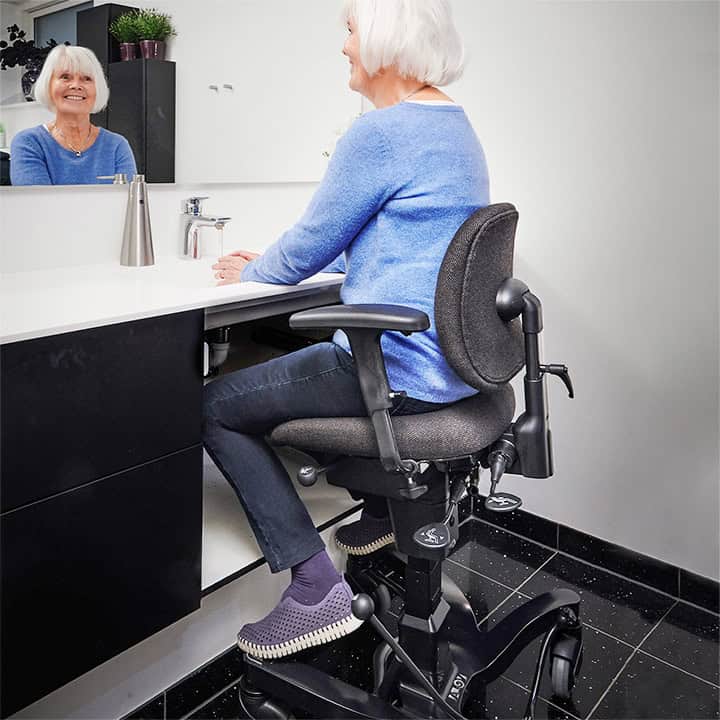
The advent of innovative solutions like VELA Chairs enables some seniors to delay or even avoid the transition to nursing homes by supporting independent living at home. With features such as a central brake for safety, electric height adjustability, and ease of movement while seated, VELA Chairs address common eldercare challenges, such as safety during transfers and the energy required for daily activities. These practical solutions promote dignity, freedom, and safety for seniors while reducing the physical and emotional burden on caregivers. Whether cooking, cleaning, or simply relaxing, the chair enhances daily life, underscoring its practical role in aging in place. While VELA is not the only answer, its proven effectiveness makes it a trusted option among mobility aids.