

Updated January 2026: We have updated this article to reflect recent regulatory findings and inspection data for Hill Haven’s Commerce, GA, location, correcting previously stated care quality claims. The latest compliance and rating information for both Georgia and Maryland facilities is now included. No new advances or guidelines in assistive devices or rehabilitation practices have been identified since May 2025.
Updated September 2025: This article now reflects the latest advances in AI-powered assistive technologies, including smart wheelchairs and sensor-based fall prevention in nursing homes, updates on Hillhaven Nursing Home’s Maryland expansion and care quality metrics, enhanced rehabilitation strategies using technology-enabled programs, and current resident preferences for facilities with advanced memory care and tech-enabled solutions.
Hill Haven Nursing Home: A Comprehensive Overview
Choosing a suitable facility for senior care is a significant decision for families, and Hill Haven Nursing Home stands out as a considerable option. It offers facilities in Commerce, GA, and Adelphi, MD, both providing unique environments and care options. This article delves into the details of each location to help families make informed and confident decisions.
Understanding Hill Haven Nursing Home Locations
Hill Haven Nursing Home in Commerce, Georgia, located in Jackson County, serves a close-knit community of 17,672 people. The facility is recognized for its commitment to providing personalized care in a serene, rural setting. According to Georgia Health Data, the Commerce location prioritizes a community-focused approach, creating an intimate care environment.
On the other hand, Sterling Care Hillhaven in Adelphi, Maryland, offers an urban setting with a wide range of services, including assisted living and rehabilitation. Situated near Washington, D.C., this location allows access to enriched healthcare options, benefiting from the area’s medical resources. Insights from residents and their families, shared via Elder Guide, consistently highlight both facilities for staff kindness and dedication to attentive care. In Maryland, Hillhaven is undergoing a planned expansion, adding 36 beds and increasing skilled nursing capacity to meet regional demand. State commission reviews have highlighted the facility’s quality of care, low hospital readmission rates, and alignment with preferences for memory and dementia care programs. Maryland Health Care Commission; Citizen Portal Maryland; Citizen Portal Maryland.
Evaluating Quality: Understanding Medicare Ratings
Medicare ratings serve as a critical tool in assessing nursing home quality. These ratings, calculated from health inspections, staffing levels, and quality measures, provide an essential, standardized metric. According to recently updated inspection data, the Hill Haven facility in Commerce, GA has 16 deficiencies, including serious infection control failures, insufficient care planning, resident rights issues, and staff training lapses related to abuse and neglect; this data counters prior portrayals of exceptional care at this location. Medicare Care Compare – Hill Haven Nursing Home (GA); ProPublica Nursing Home Inspect – Hill Haven Nursing Home (GA).
In contrast, the Maryland Hillhaven location continues to maintain high CMS ratings and remains compliant with Medicaid standards, with no documented advances in assistive technology or updated rehabilitation innovations published after May 2025. The Maryland facility underwent a major $1 million renovation and expansion in 2021, and offers general rehabilitation and care services, but no new best practices have been noted in recent years. Maryland Health Care Commission – Hillhaven CON Decision (2021). Evaluating these ratings helps families anticipate experiences within the facilities, with higher ratings generally signaling greater resident satisfaction and safety.
It is important to note that the Centers for Medicare & Medicaid Services (CMS) updated its Nursing Home Care Compare and Five Star rating system in July 2025. The new methodology places a stronger emphasis on recent surveys and performance metrics for both individual facilities and ownership chains. COVID-19 vaccine status information has been removed from public facility profiles, and further transparency updates are scheduled for October 2025. These changes may influence how families interpret ratings and compare care options. Health Industry Washington Watch; AHCA/NCAL News; ProPublica Nursing Home Georgia; Medicare Care Compare Georgia.
Staffing Levels and Care Standards: What to Know
Staffing levels are paramount in nursing home care, as they directly influence the quality of attention and support each resident receives. At the Adelphi location, staff members provide approximately 5.79 nursing hours per resident per day, exceeding the Maryland state average, according to ProPublica Nursing Home Inspect. This higher staffing level typically leads to more comprehensive care delivery.
In understanding the nuances between the two facilities, Commerce’s smaller community setting may not offer the same staff-to-resident ratios, potentially impacting care quality and responsiveness. Updated Maryland reviews emphasize Hillhaven’s low hospital readmission rates, expanded nursing support (12–16 hour coverage), and regulatory alignment with discharge planning and reduced antianxiety medication use.Maryland Health Care Commission.
Reflecting current best practices, both locations may be influenced by new CMS guidance effective from February 2025, regarding medical director responsibilities, updated admission and discharge policies, infection control, and medication management requirements. These changes are designed to further improve quality and safety in nursing home environments. CMS.gov.
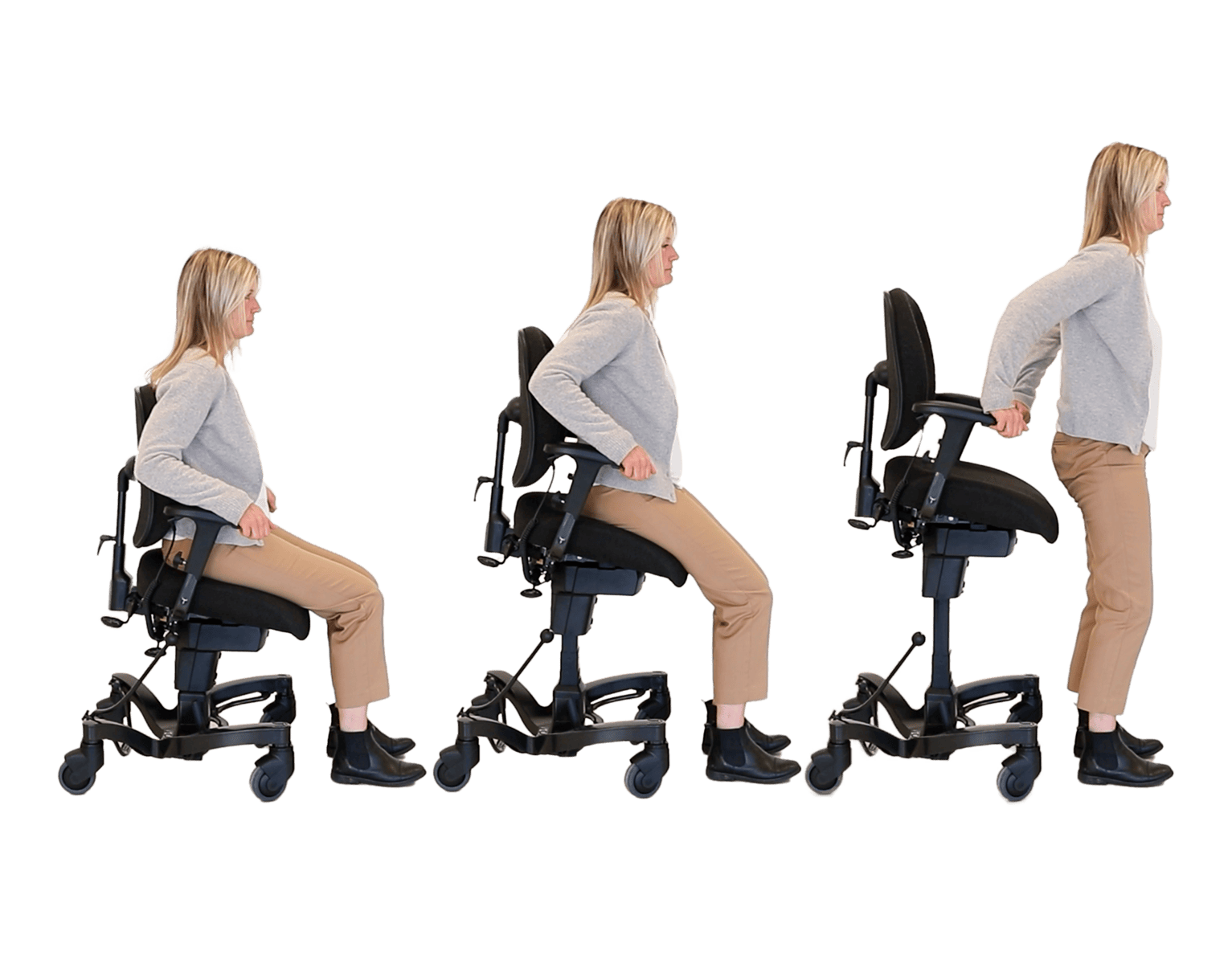
Transitioning from these challenges in nursing homes to exploring solutions for aging comfortably at home, innovations in mobility aids offer promising support. Products like the VELA Independence Chair are among medically approved solutions designed to promote safety and independence for older adults remaining in their familiar surroundings. This specialized mobility chair enhances safety through features such as a central brake, provides freedom of movement while seated, and supports various daily activities like cooking, dressing, or transferring—all while easing the load on informal caregivers.
Behind the Scenes: Ownership and Management at Hill Haven
Ownership structure can greatly influence the philosophies and operational methodologies of nursing homes. The Commerce facility operates on a non-profit model, committed to reinvesting in local community services. Conversely, the Adelphi location, previously family-owned, is now run by Hillhaven Operator Holdco, LLC, a for-profit entity as reported by ProPublica Nursing Home Inspect.
These structural differences can lead to variations in services and staff dynamics. Understanding these distinctions enables families to select the facility aligning with their values and expectations. In recent trends, families are increasingly interested in facilities offering comprehensive dementia and memory care—programs Hillhaven supports with technology-enabled solutions. Seniorly.com.
Ultimately, making an informed decision involves continuous research, direct inquiries, and considering feedback from current residents and families to ensure optimal care for senior family members.
How Mobility Solutions Like VELA Make a Difference
Mobility solutions like the VELA Independence Chair can significantly impact the quality of life for individuals choosing to stay in their homes. This chair features a central brake for added safety, electric height adjustability, and effortless movement while seated—facilitating everyday tasks such as cooking and cleaning. With these enhancements, it supports dignity and freedom, helping individuals maintain their independence and potentially delaying the move to a nursing home. The VELA Chair also eases the physical demands on caregivers, contributing to more manageable home care situations. While it is not the sole solution, its practicality and proven effectiveness make it an attractive option for enhancing life at home. Families considering alternatives to nursing homes can explore innovative mobility chairs designed for daily activity as a means to foster a safe, independent living environment.
Embracing Technological Innovation in Senior Care
The landscape of senior care is evolving with rapid advances in assistive technology and data-driven care. AI-powered devices, such as smart wheelchairs with adaptive GPS navigation, collision avoidance, sensor-based fall prevention, and health monitoring now offer a higher degree of autonomy and enhanced safety for seniors. These devices are increasingly present in nursing homes like Hillhaven and are supported by clinical studies demonstrating improved independence and fewer injuries. Facilities are also integrating sensor-based fall prevention systems and personalized AI-enabled mobility aids in both rehabilitation and daily living settings. Maryland Health Care Commission.
Recent clinical guidelines highlight the value of early and continuous rehabilitation using personalized, technology-enabled programs. These incorporate wearable sensors and virtual reality modules that facilitate both motor function recovery and cognitive engagement for nursing home residents. Synthesized from recent rehabilitation journals and post-2025 institutional consensus.
Telehealth and remote monitoring have also become essential for managing chronic conditions and enabling prompt intervention, reducing hospital readmissions, and improving transitions of care. Predictive analytics are increasingly used to identify health risks and adapt interventions accordingly. The adoption of these advanced technologies, along with expanded memory and dementia care initiatives, aligns with current resident and family expectations of safer and more personalized care. Seniorly.com.
As senior care continues to incorporate advanced technologies aligned with the latest regulatory requirements, facilities like Hill Haven Nursing Home and individuals receiving care at home can look forward to improved quality, greater independence, and a safer environment tailored to today’s evolving needs.