

Updated October 2025: We have updated the article with the latest advancements in AI-driven assistive technology, ergonomic and inclusive product design, user-centered adoption trends, and the evolving impact of nursing home quality metrics on care decisions.
Home Care vs Nursing Home: Making Informed Decisions for Senior Care
As the population ages, the demand for senior care solutions continues to rise, with about 17.5% of the U.S. population now aged 65 and older, according to NCHStats. Choosing between home care and nursing home care is a significant decision that impacts not only the individual’s quality of life but also their family’s peace of mind. Understanding the core differences between these care options is crucial, particularly in a landscape where the median monthly costs reveal a stark contrast; according to A Place for Mom, home care averages $5,720 while nursing homes cost about $9,733.
Understanding the Difference: What Is Home Care vs. Nursing Home Care?
Home care services can be categorized into two types: nonmedical and skilled care. Nonmedical support includes assistance with daily living activities like bathing, meal preparation, and companionship. Skilled care involves medical services provided by licensed health professionals. Unlike home care, which allows seniors to remain in their familiar environments, nursing homes offer 24/7 medical attention and a structured setting beneficial for those with significant health needs, as highlighted by SeniorLiving.org.
Recent advancements in assistive technology have further empowered individuals to maintain independence at home. AI-powered smart glasses, robotic prosthetics, smart wheelchairs with autonomous navigation, and modular upgrades to existing mobility devices provide safer and more customizable solutions for individuals with reduced mobility or disabilities. Inclusive design is now at the forefront, with new products such as wearable medical robots that personalize support and devices focused not just on mobility, but on quality of daily living and social participation.[2][4][6][8]
In practical terms, if a senior enjoys personal hobbies or spending time in familiar surroundings, home care may provide the freedom and comfort they desire. For example, a senior who loves gardening will benefit from home care, enabling them to nurture their plants daily. On the flip side, a nursing home might be ideal for someone who needs constant supervision due to complex medical conditions, offering both immediacy in medical responses and structured routines.
Cost Comparison Between Home Care and Nursing Homes
Budgeting for senior care requires careful consideration. According to CareScout, home care services, typically charged hourly, range significantly based on location, with an average cost of $35.02 per hour nationally. Nursing homes tend to charge daily rates, translating to a potential annual expenditure from $114,665 to $131,583, as noted by A Place for Mom.
The rapid development of assistive technology is influencing the cost-benefit landscape. Some advanced devices—such as exoskeletons or AI-powered rehabilitation robots—may require higher initial investments or clinical support but can reduce the need for continuous in-person care, supporting independence at home and potentially lowering long-term care costs. Meanwhile, modular upgrades and user-friendly solutions allow families to adopt technology at their own pace, further enhancing accessibility and managing expenses.[2][6][8]
Financial assistance options such as Medicaid, Veterans Affairs benefits, and long-term care insurance can ease this burden. Families leveraging such aids have found thoughtful planning, including early discussions and assessments of potential benefits, crucial for managing expenses effectively.
Health Outcomes: Safety, Hospitalization, and Quality of Life
Safety and quality of life are pivotal in choosing between home care and nursing homes. Home care, which takes place in a personal environment, can potentially improve mental well-being by allowing elders to stay connected with their routines and community. Nursing homes, with their specialized support, minimize emergency risks due to immediate medical care availability, highlighted in research from PLOS ONE.
The latest generation of assistive devices has boosted safety and autonomy in both settings. Examples include smart wheelchairs equipped with autonomous navigation and pressure-monitoring sensors, brain-controlled prosthetics for individualized movement, and wearable robots that personalize support in real time. These innovations foster greater participation in daily activities, reduce incident risks (such as falls or pressure sores), and support adaptive rehabilitation at home or in clinical facilities. Their integration can lead to improved quality of life and user satisfaction.[2][4][6][8]
However, each setting poses unique challenges. Nursing homes, despite expertise in handling complex health conditions, sometimes compromise personal privacy. Meanwhile, insufficient medical oversight in home care scenarios could lead to increased hospitalizations if emergencies arise. The customization and adaptability of new assistive technologies help address some home care challenges, but caregiver training and support systems remain essential for optimizing outcomes.[4][8]
Factors to Consider When Choosing: Which Is Right for You?
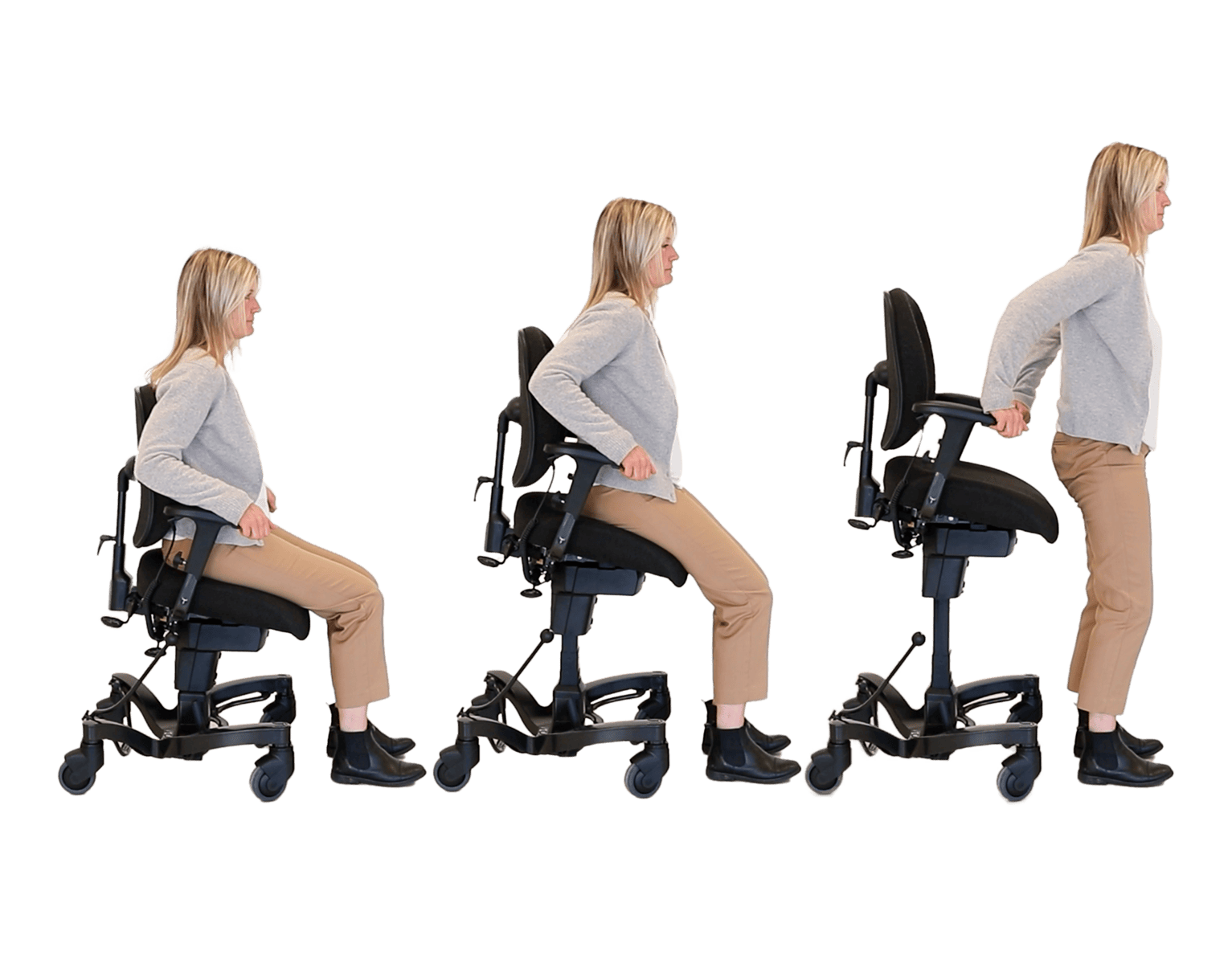
Choosing between home care and nursing home care involves evaluating several factors such as the senior’s medical needs, personal preferences, and family involvement. Technologies and home adaptations play a crucial role in enabling seniors to age safely in place. With the challenges presented by nursing homes, such as reduced privacy and a lack of personal independence, home care often emerges as a preferred choice for those who value familiarity and autonomy. Adaptive equipment like the VELA Independence Chair can play a vital role here by enhancing an individual’s ability to remain independent at home. As a medically approved mobility chair, it provides enhanced safety, freedom of movement while seated, and supports daily activities such as cooking, dressing, or transferring—all while reducing the load on informal caregivers. Investing in such supportive mobility support for seniors living independently can offset or delay the need for more intensive nursing home care.
The adoption and satisfaction of assistive devices are increasingly driven by user feedback, accessibility, and the ability to integrate technology seamlessly into everyday life. Modular, upgradable features allow individuals and families to adjust support as needs evolve, reinforcing the flexibility and appeal of remaining at home.[8]
Supporting Aging in Place: A Practical Option
For seniors who wish to prolong their independence at home, the VELA Chair represents a significant advancement. This chair offers features like a central brake for enhanced safety, electric height adjustability for easy transfers, and smooth maneuverability while seated. These qualities are particularly beneficial in addressing common problems such as fall risks, energy exertion, and daily task management. By facilitating activities like cooking or relaxing, the VELA Chair not only supports physical health but also upholds dignity and freedom, allowing seniors to enjoy their routine without the constant need for caregiver assistance. Though not the only solution, the VELA Independence Chair is a proven and practical option among senior chairs for elderly living at home, helping seniors live safely and independently for as long as possible.
Policy and Regulatory Considerations
While no major new regulations have emerged since May 2025 specifically changing the landscape between home care and nursing home care, updates to nursing home quality metrics are fostering greater transparency and accountability. These changes are reflected in resources such as the Centers for Medicare & Medicaid Services’ Nursing Home Care Compare, which now features improved reporting and outcomes data. This trend may influence the decision-making process for families weighing care options, even if not directly tied to current assistive technology.[11][13]
References
- CES 2025 Award-Winning Assistive Tech Innovations – Details on the latest robotic prosthetics, wearable medical robots, and inclusive beauty tech[6].
- The Best Assistive Tech Gadgets in 2025 – Overview of AI-powered smart glasses, brain-controlled prosthetics, and smart wheelchairs[2].
- Recent Trends in Assistive Technology for Mobility (PMC) – Academic review of improvements in user-technology integration for mobility aids[4].
- Exciting Assistive Technology for People with Disabilities – Covers smart wheelchair upgrades and funding options for assistive tech[8].
- Updates to Nursing Home Care Compare (CMS) – Official updates on nursing home quality ratings and transparency[11][13].
- NCHStats – US Home Care Industry Statistics
- A Place for Mom – Home Care vs Nursing Home Costs
- SeniorLiving.org – Nursing Home vs Home Care Comparison
- CareScout – Cost of Care
- PLOS ONE – Safety and Quality of Care Research
- VELA Chairs – Mobility Support for Seniors Living Independently
- VELA Chairs – Senior Chairs for Elderly Living at Home