

Updated January 2026: We have updated the article to reflect the latest research on AI-driven assistive technologies, remote patient monitoring, innovative smart mobility aids—including CES 2026 product launches—and integrated tech platforms. The article also now covers new trends in value-based care, higher-acuity home services, and policy strategies addressing workforce shortages.
Exploring the pros and cons of home health nursing
As the demand for alternative care solutions continues to rise, many families are turning to home health nursing as a viable option to traditional nursing home care. This model offers a personalized approach, allowing patients to receive medical attention in the comfort of their home. However, like any healthcare option, it comes with both advantages and disadvantages.
Pros and cons of home health nursing
Advantages:
- Home health nursing offers numerous benefits, primarily stemming from the autonomy it provides both patients and nurses. According to Vivian Health, nurses enjoy flexible schedules that allow them to build deep relationships with their patients, ensuring personalized care tailored to individual needs. This often leads to better patient outcomes, including improved pain management and quality of life. Data from the National Center for Biotechnology Information (NCBI) supports this, showing that patients receiving home health care report significant improvements in satisfaction and overall well-being.
- Furthermore, home health care can contribute to cost savings and reduced hospital readmissions, an appealing factor for many families looking to manage healthcare costs. The NCBI highlights how receiving care at home in familiar environments can lead to enhanced satisfaction and comfort for patients.
- Recent technological advances have accelerated the integration of artificial intelligence (AI) into assistive devices and home health platforms. Mainstream adoption of remote patient monitoring (RPM), virtual nursing, and AI-driven documentation tools have improved efficiency and health outcomes by reducing hospital re-admissions and enabling higher-acuity care at home. Devices such as smart wheelchairs—with features like pressure sensors, autonomous navigation, and AI health monitoring—and new all-terrain and stair-climbing mobility aids unveiled at CES 2026 (e.g., WheelMove, XSTO X12) provide enhanced rehabilitation and daily independence for users with limited mobility. AI spinal bridges and brain-computer interfaces have advanced independence further, while systems like MaaS-Bridge make community transportation more accessible for those with disabilities.Mobility Management, Ability MT, ICD Events, CareVoyant, Wolters Kluwer, FactMR.
- The adoption of telehealth and integrated tech platforms within home health nursing is increasing, making chronic disease management and rehabilitation more efficient. Proactive virtual care and RPM now enable nurses to coordinate and intervene quickly—even amidst ongoing workforce shortages and rising demand for higher-acuity services. These digital and AI-supported systems are central to value-based, outcome-focused care models and are transforming how older adults and people with disabilities age in place.ICD Events, CareVoyant, Wolters Kluwer.
Disadvantages:
- Despite its benefits, home health nursing also presents challenges. It demands a high level of experience and adaptability from nurses, who must manage varying home environments and limited resources, as highlighted by the National Investment Center for Seniors Housing & Care (NIC). Nurses might struggle with less team support compared to traditional settings, which can add complexity to their roles.
- Additionally, nurses must often make clinical decisions independently without the immediate support of a hospital team. This underscores the necessity for home health nurses to be highly skilled and confident in their abilities, given the unpredictability they might face when treating patients in their homes.
- Workforce shortages continue as a major concern due to rapid industry growth, aging populations, and regulatory pushes expanding home-based care. While integrated AI-driven platforms and smart devices help address these pressure points, issues such as caregiver availability, training, and ensuring equitable access to innovative assistive technology persist. Some users also face barriers related to funding adaptive equipment, variable insurance coverage, and digital literacy CareVoyant, FactMR, Ability MT.
Comparing home health and nursing home care
When choosing between home health care and nursing homes, it’s crucial to consider the differences in environments and patient experiences. Nursing homes typically offer a structured setting with immediate access to medical resources and a team of healthcare professionals. These environments are particularly suited for patients who require 24-hour supervision and care.
Home health nursing, on the other hand, is most suitable for medically stable patients who value their independence and prefer to receive care in a familiar setting. According to Medicare.gov, patients who opt for home health care often benefit from the flexibility and personalized care that caters to their specific health needs.
Trends in technology and payment models also influence decisions. Regulatory shifts, such as the continued move toward value-based care and Medicare Advantage accountability, have contributed to home health’s rapid expansion, including higher-acuity services like therapy, wound care, and hospital-at-home programs CareVoyant, Wolters Kluwer. The latest assistive technologies—such as AI-powered smart wheelchairs (including CES 2026 launches like WheelMove and MaaS-Bridge pickup systems), adaptive smart glasses, and environment-aware mobility aids—support increasingly complex care at home, making home-based options more attractive and feasible for many Mobility Management, Ability MT.
Who benefits most from home health nursing?
Home health nursing is best suited for individuals who are medically stable and desire to maintain their independence. As noted by Vivian Health, these patients significantly benefit from tailored care plans that allow them to be active participants in their health journey. Education and empowerment are critical components, with nurses playing pivotal roles in teaching patients and their families about self-care and ongoing health management.
Challenges and considerations in home health nursing
Home health nursing presents unique challenges that require thoughtful consideration. Staffing and training needs are crucial; nurses must possess a high level of expertise to navigate the unpredictability of home environments effectively. According to the NIC, resource limitations in home settings can complicate care delivery. The future of home health nursing relies heavily on proficiency with advanced assistive technologies, AI-driven devices, remote patient monitoring, and virtual care platforms. Specialized training is indispensable to ensure nurses can leverage these emerging tools for proactive, safe, and efficient care delivery—even as workforce shortages and higher acuity needs grow ICD Events, CareVoyant, Wolters Kluwer.
Next-generation smart assistive devices—including AI-powered mobility solutions, autonomous wheelchairs, and brain-computer interfaces—now address a greater range of user needs. Innovations in inclusive rehabilitation tools, adaptive bikes, sip-and-puff controls, and vision aids like iSee smart glasses, combined with digital health monitoring and value-based reimbursement models, enhance user autonomy and accessibility. However, achieving widespread impact requires overcoming challenges in equitable access, insurance coverage, and funding for assistive technology solutions Mobility Management, Ability MT, FactMR.
Supporting aging in place: a practical option
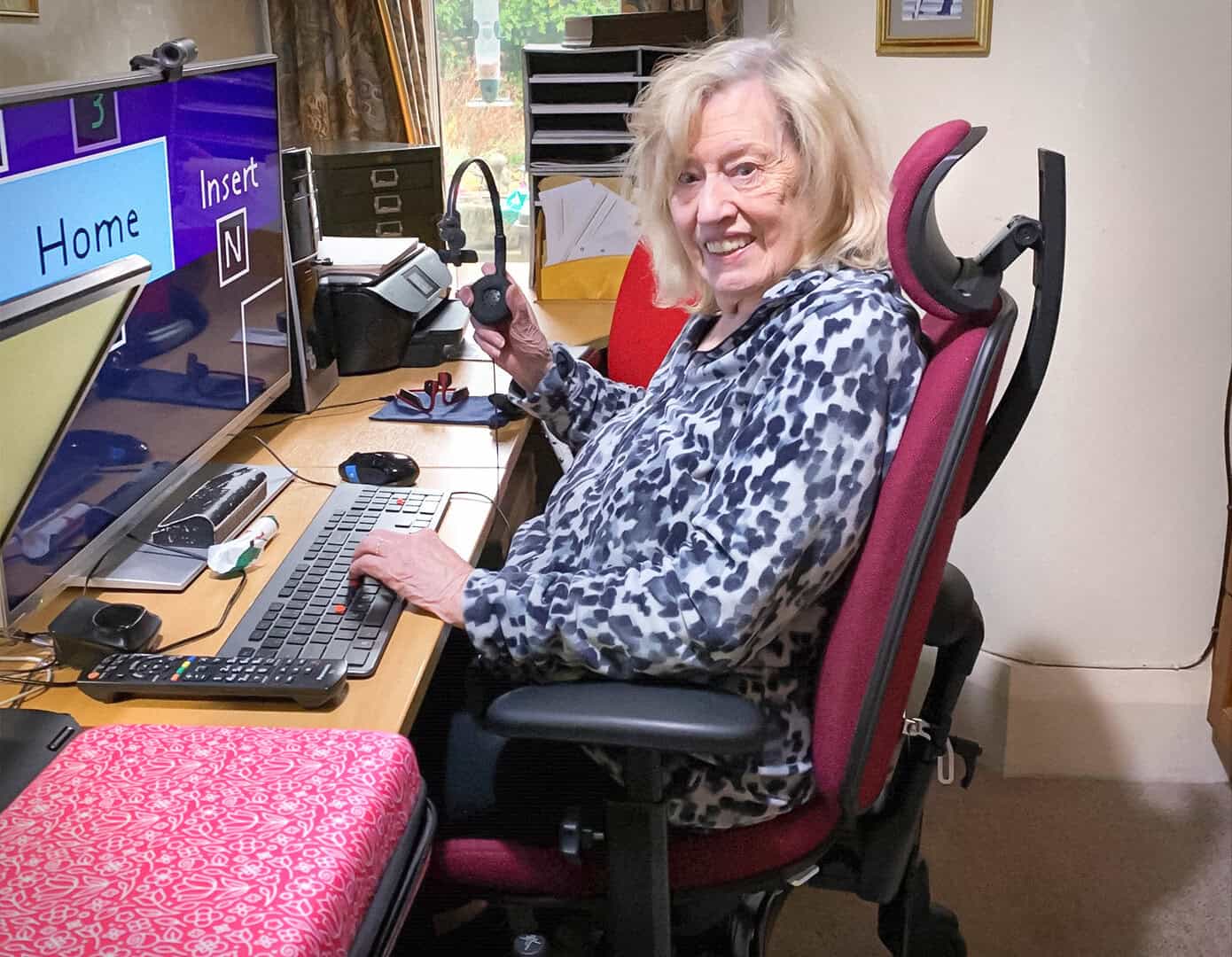
Staying independent at home is a goal for many older adults, and solutions like the VELA Independence Chair contribute significantly to this aspiration. The chair offers features such as a central brake for safety, electric height adjustability, and ease of movement while seated. These features address common challenges faced by individuals receiving home health care, such as safety concerns, energy conservation, and ease of transfers. With a VELA Chair, everyday activities like cooking and cleaning become more manageable, promoting a sense of dignity and freedom. Ultimately, while VELA is one of many solutions available, its proven effectiveness in supporting aging in place highlights its practical value in potentially delaying the need for nursing home care. For more on how mobility solutions can enhance independence, see Mobility Solutions for Seniors and Safe Mobility for Seniors.
References
- Vivian Health
- National Center for Biotechnology Information (NCBI)
- National Investment Center for Seniors Housing & Care (NIC)
- Medicare.gov
- CMS.gov
- CareVoyant (2024)
- PMC (2025)
- NCHStats (2025)
- Special Needs Answers (2024)
- Alora Health (2025)
- Ability MT (2025)
- AANP (2024)
- PwC
- Keyway Medical
- ThinkBeyondTheChair.org
- Equal Accessibility LLC
- Global One Home Care
- NCBI (2025)
- AHCA
- Mobility Management
- Ability MT
- ICD Events
- CareVoyant
- Wolters Kluwer
- FactMR