

Updated January 2026: We have updated the article to include the latest advancements in AI-driven personalized care planning, integration of remote monitoring and wearable technology, expanded Medicare/Medicaid coverage under value-based care, and cutting-edge assistive technologies like autonomous smart wheelchairs and AI exoskeletons. The article now also highlights workforce trends, caregiver support through technology, and authoritative sources from 2026.
Home Health Skilled Nursing Services: A Comprehensive Guide
As health challenges arise that require specialized medical attention, many individuals opt for home health skilled nursing services instead of moving into institutional care settings. This decision allows patients to indulge in high-quality medical care right in the comfort of their homes. According to Medicare.gov, home health care is often more cost-effective, convenient, and as effective as care received in hospitals or skilled nursing facilities.
Understanding Home Health Skilled Nursing Services
Home health skilled nursing involves advanced medical services performed at home by qualified healthcare professionals, including Registered Nurses (RNs) and Licensed Practical Nurses (LPNs). These services are not limited to but include wound care, medication administration, and IV therapy. Contrary to custodial care, which provides basic support, skilled nursing directly addresses medical needs following strict eligibility criteria and professional standards. A case in point is John, a patient who, after a long hospital stay, shifted to home health care. He found immense benefit in personalized attention, illustrating the profound impact of receiving care in an environment filled with familiarity and comfort.
Navigating Medicare Coverage for Home Health Skilled Nursing
Understanding how Medicare covers home health skilled nursing is indispensable for beneficiaries. To qualify, a patient must be deemed homebound and have a doctor’s orders for skilled care. Medicare.gov explains that Medicare typically covers part-time skilled nursing visits which may include therapy and home health aide services. Potential patients should be aware of limitations, such as the intermittent nature of required care and possible out-of-pocket costs. Recent reforms under value-based care models have expanded Medicare and Medicaid coverage, emphasizing improved outcomes, higher-acuity services such as advanced wound care and therapy at home, and broader eligibility assessments. Ongoing changes to prior authorization requirements and payment adjustments continue to improve access and reduce delays in obtaining skilled nursing care at home ACPlus, NIC, Skilled Nursing News, Herzing University.
An example from a Medicare user’s experience highlights the alignment of these services with patient needs, leading to improved health outcomes and quality of life. Providing detailed information on eligibility requirements and necessary documentation can assist users in navigating Medicare’s processes effectively.
Comprehensive Skilled Nursing Services Available at Home
The comprehensive range of skilled nursing services available at home includes, but is not limited to, wound care, medication management, and various therapies such as IV administration. As of 2026, significant advances have emerged in AI-driven personalized care planning, utilizing remote monitoring and wearable devices. These technologies enable real-time adjustments to care plans, particularly benefiting patients living with chronic conditions such as diabetes and COPD by helping to reduce hospital readmissions. Home health nurses now integrate sensor-embedded remote monitoring and AI-powered health tracking, allowing clinicians to intervene promptly and tailor care to individual needs Herzing University, Duquesne University.
Groundbreaking assistive technology has also elevated patient autonomy. Innovations include smart wheelchairs featuring autonomous navigation (such as LUCI and Robooter X40), AI-powered exoskeletons for manual wheelchair users (like WheelMove), and adaptive mobility devices exhibited at international events. These solutions, alongside the continuing evolution of devices like neural interface-enabled vision aids and brain-computer interface prosthetics, further enable users to maintain independence at home. Many devices now incorporate voice control, facial recognition, real-time vital sign monitoring, and adaptive ergonomic features, reducing caregiver strain and enhancing user independence ThinkBeyondTheChair.org, EqualAccessibility.co, Keyway Medical, NIH PMC, WHO.
Ergonomic and inclusive design innovations remain central. Modern devices are lighter, more user-customizable, and integrate more intuitively into daily life, helping to reduce fatigue and maximize long-term usability. This prioritizes broad access and equitable independence for users across age groups and disabilities Keyway Medical, EqualAccessibility.co, WHO.
Education continues to empower both patients and caregivers, with technology now playing a larger role. Integration of remote health data, sensor-driven alerts, and AI-based platforms help prevent complications and improve rehabilitation outcomes. A home health care nurse specializing in this evolving domain notes that technology-enhanced home care brings greater personal satisfaction and improved outcomes as care plans become more adaptive and responsive.
Arranging and Accessing Home Health Skilled Nursing Services
Arranging for home health skilled nursing services involves a series of tailored steps, starting with a referral from a healthcare provider, followed by choosing a reputable agency. Medicareadvocacy.org emphasizes the importance of evaluating providers based on quality metrics and coordinating with insurance plans to ensure smooth service delivery. A practical checklist helps simplify this process, setting the foundation for informed decision-making.
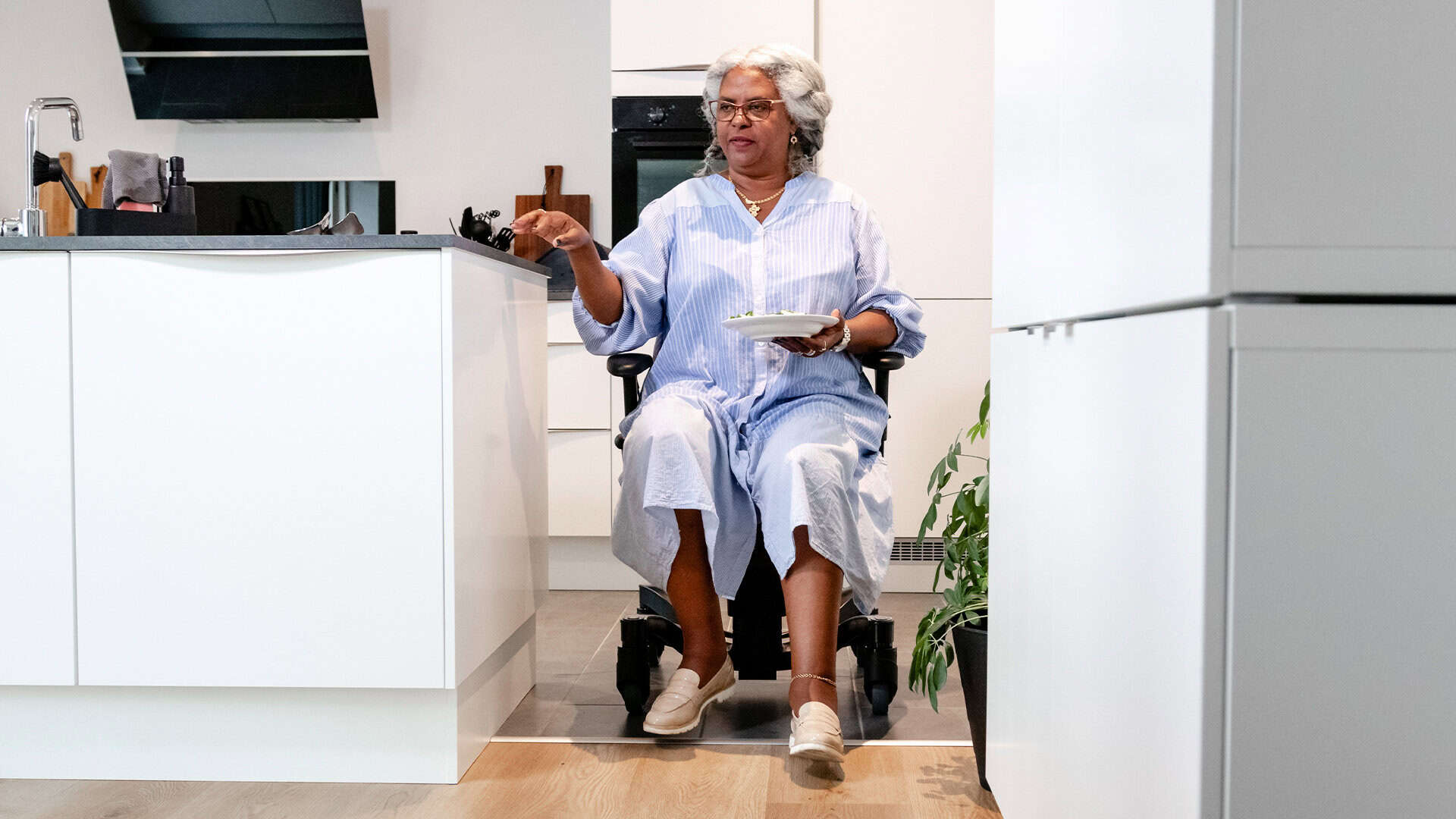
Many seniors face challenges with staying in nursing homes, from decreased independence to navigating a complex environment. Innovations supporting home-based independent living are more robust than ever, including the use of AI-enabled devices, adaptive mobility technology, and integrated smart home systems with voice or AI-based control. These advances foster aging in place and improve overall autonomy. One practical solution that addresses these challenges is the use of medically approved mobility aids like the VELA Independence Chair. This chair is designed for home use, offering enhanced safety and freedom of movement. It features a central brake for safety, electric height adjustability, and easy navigation, making daily activities such as cooking or getting dressed simpler and safer for seniors. By reducing the physical demands on caregivers and supporting autonomy in daily life, VELA can significantly contribute to maintaining independence and quality of life at home.
Supporting Aging in Place: A Practical Option
In the quest to extend independence and autonomy as people age, solutions like the VELA Independence Chair play a vital role in transforming everyday living for seniors. With features like a central brake for safety, adjustable seating heights for easy transfers, and smooth movement while seated, the VELA Chair helps mitigate common challenges associated with aging at home. By reducing the physical strain involved in tasks and lowering fall risk, it can delay the transition to nursing home care. Life with a VELA Chair means maintaining dignity and freedom, effortlessly conducting daily activities such as cooking or relaxing, all while conserving energy and enhancing safety. It’s a testament to how strategic tools can support aging in place—though VELA is not the only option, it remains a proven and effective choice for many. Mobility Solutions for Seniors and Fall Prevention Strategies are examples of resources that emphasize the benefits and practicality of mobility aids in keeping seniors independent and safe at home.
Emerging Trends and Workforce Considerations in Home Health Care
The home healthcare sector continues to grow rapidly in 2026, fueled by patient preference for aging in place, demographic shifts, and technology-enhanced models such as Hospital at Home and Skilled Nursing Facility at Home programs. These care models integrate advanced assistive technology, smart mobility devices, remote vital sign monitoring, and telehealth to deliver skilled nursing more flexibly than ever. Integration of AI-powered remote monitoring, wearables, and adaptive mobility devices now supports real-time care adjustments, improves patient safety, and reduces readmissions for chronic conditions such as diabetes and COPD Herzing University, WHO, Duquesne University.
Amid a rising demand for home health nursing, workforce shortages remain a central challenge. Agencies are responding by embracing AI-driven scheduling, workflow automation, and virtual platforms that improve staff efficiency and reduce caregiver strain. Technology-driven solutions now allow for more personalized and efficient care, supporting mental health integration and caregiver wellbeing through remote support tools and automation. User and expert feedback since 2025 highlights that smart assistive devices and digital care coordination not only reduce the demands on nurses and caregivers but also enhance patient engagement and health outcomes at home. Ongoing research and inclusive technology development are expected to further support independence and equitable access to mobility aids and home care Herzing University, NIH PMC, WHO, Duquesne University.
References
- Medicare.gov – Home Health Coverage Information
- Medicare.gov – Home Health Care Guide
- CMS.gov – Home Health Benefits Changes
- Medicareadvocacy.org – Skilled Nursing Services Guide
- VELA Chairs – Mobility Solutions for Seniors
- VELA Chairs – Fall Prevention Strategies
- ACPlus – 2025 Skilled Nursing Facility Industry Outlook
- NIC – Skilled Nursing Faces Opportunities and Challenges in 2025
- CareVoyant – Home Health Care Trends for 2025
- Nabroward – Innovations in Assistive Technology 2025
- ThinkBeyondTheChair.org – Best Assistive Tech Gadgets 2025
- AbilityMT – Assistive Technology 2025
- EqualAccessibility.co – Future of Accessibility
- NCHStats – US Home Care Industry Stats 2025
- Keyway Medical – Innovations in Mobility Aids: A Look at the Latest Technologies
- Skilled Nursing News – Top Skilled Nursing Trends for 2025
- NIH PMC – Assistive Technologies for Individuals with a Disability from a Neurological Perspective
- Herzing University Nursing Trends 2026
- WHO on Assistive Technology
- Duquesne University Assistive Tech Conference 2026