

Home Nursing Care Costs: An In-Depth Guide for 2025
Navigating the cost landscape of home nursing care is essential for seniors and their families planning long-term care. According to Elder Answers, home care services average between $25 to $35 per hour. In contrast, Senior Living reports that a semi-private room in a nursing home costs a substantial $9,555 per month. Understanding these costs is crucial for making informed decisions about elder care.
Comprehending the Financial Landscape of Home Nursing Care in 2025
Understanding the various components contributing to the cost of home nursing is key. As we look ahead to 2025, changes in demographics, healthcare policies, and economic factors are expected to drive an uptrend in costs. According to a CareScout survey, the historical average for in-home care services has steadily increased, reflecting enhanced service levels and broader coverage areas. Expert analyses from GoInstaCare highlight that factors like inflation and policy adjustments are significant cost drivers. Recognizing these elements can help predict future pricing trends effectively.
Exploring In-Home Care Services and Their Financial Implications
Home care isn’t one-size-fits-all. It ranges from non-medical companion care to skilled nursing services. Companion care typically costs $20-$30 per hour, concentrating on companionship and basic assistance. Meanwhile, personal care assistance involves more hands-on support with activities of daily living, ranging from $25-$40 per hour. Skilled nursing services, involving medical care from licensed professionals, can reach $75 per hour, as detailed by AR Home Care. Personal experiences indicate that care needs often evolve, starting with minimal assistance and potentially advancing to more complex care requirements. This progression can significantly influence the overall cost of home care.
Key Determinants of Home Nursing Care Pricing
Several key elements impact the pricing of home nursing care. Geographic conditions play a crucial role; urban areas tend to have higher costs than rural locales due to increased living expenses, as explored by Senior Living. Other factors include the duration and level of service, provider expertise, and the choice between agency or independent caregivers, with agencies often providing consistent quality at a premium. External factors like inflation and regional healthcare policies frequently alter cost structures, resulting in variability across states.
Home Care vs. Nursing Homes: A Cost Comparison
Evaluating the costs between home care and nursing homes reveals significant differences. According to GoInstaCare, full-time, 24/7 home care can cost upwards of $15,000 a month, which may sometimes surpass nursing home expenses, depending on the level of care required. Nursing homes provide comprehensive care included in one fee, but home care offers personalized attention and the comfort of staying in familiar surroundings. Decisions should consider factors like health status, lifestyle preferences, and financial resources. User experiences often suggest staffing shortages in nursing homes might impact care quality, whereas home care aids can provide continuous, personalized support.
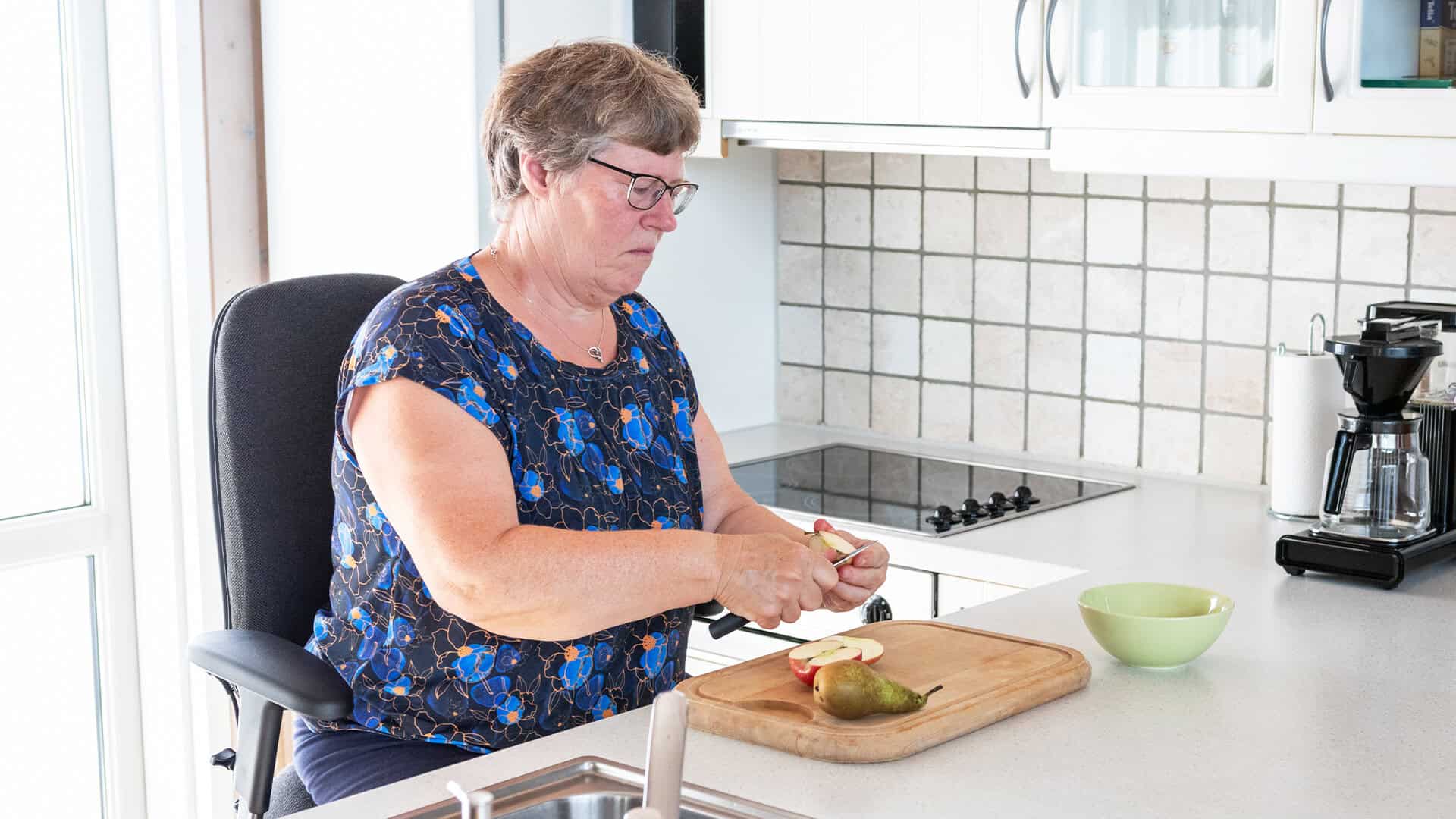
As families weigh the challenges nursing homes present, like potential staff shortages and lack of personalized care, many are turning towards solutions that help older adults maintain their independence at home. One such solution is the VELA Independence Chair, a medically approved mobility chair designed specifically for home use. It enhances safety and provides freedom of movement while seated, supporting seniors in daily activities such as cooking, dressing, or transferring. This reduces the load on informal caregivers, allowing seniors to stay in their homes longer and retain their independence.
Supporting Aging in Place: A Practical Option
Exploring alternatives to traditional care options, such as nursing homes, can offer seniors safer and more dignified living conditions. Chairs like the VELA Independence Chair serve as excellent mobility aids for seniors at home, helping to bridge the gap between living independently and requiring full-time care. Features like a central brake for enhanced safety, electric height adjustability, and ease of movement while seated help seniors carry out everyday tasks more comfortably. These capabilities delay the need for a move to a nursing home by reducing physical strain and promoting a sense of independence. While VELA isn’t the only solution available, it is a proven and practical choice that emphasizes dignity, freedom, and safety, allowing seniors to focus their energy on what truly matters—enjoying life to its fullest.