

Updated January 2026: We have updated the article to reflect the 2026 Dubai Health Authority (DHA) licensing process, including Sheryan portal improvements, new experience requirements for nurses, and emerging UAE-wide unified licensing. The article now details the mandatory employer sponsorship for home nursing license activation, stricter facility and staffing standards, and the full integration of telehealth and remote monitoring in home care. Accessibility specifications for long-term care—such as wheelchair-friendly bathrooms, nurse call systems, and assistive technology—have also been incorporated to align with the latest DHA policy and best practices.
Home Nursing Services in Dubai: A Comprehensive Guide
The healthcare landscape in Dubai is rapidly evolving, driven by a growing demand for personalized and convenient care options such as home nursing services. With a diverse and predominantly expatriate population, the city is experiencing a significant shift towards in-home healthcare solutions. According to Insights10, the UAE home healthcare market is projected to reach an impressive $3.59 billion by 2030. This growth is fueled by both cultural preferences for aging at home and government initiatives aimed at improving healthcare accessibility. Let’s delve into the nuances of home nursing services in Dubai, exploring industry trends, major providers, and essential considerations for prospective clients.
Understanding Home Nursing Services in Dubai
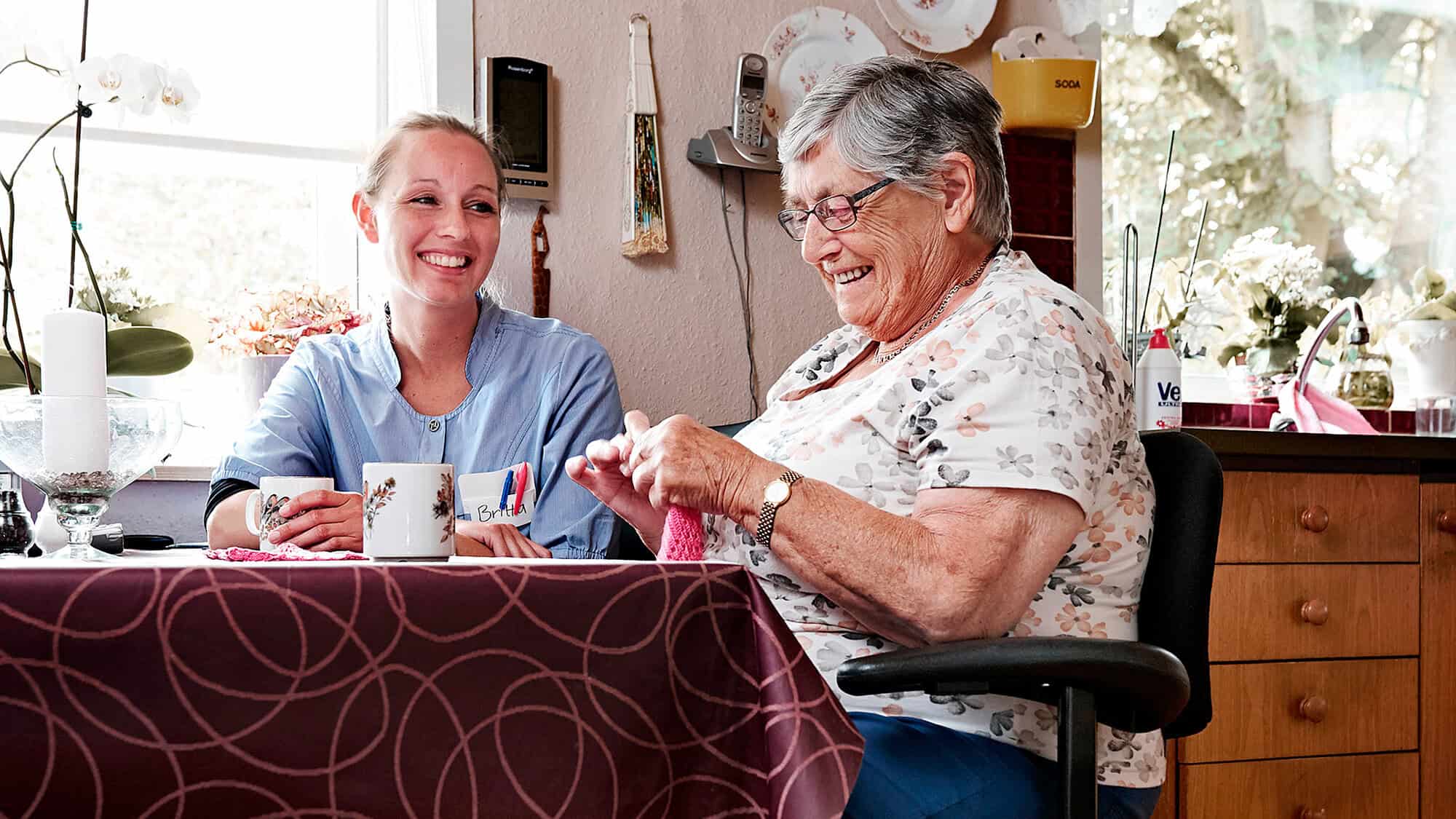
Home nursing services in Dubai encompass a broad spectrum of care provided at a patient’s residence, ranging from routine health checks to specialized medical treatments. These services cater to patients with chronic illnesses, post-operative care needs, or those requiring elderly care. The city’s healthcare system is bolstered by robust government support, which includes insurance schemes like Daman and Saada, enhancing accessibility and affordability.
Dubai Health Authority (DHA) regulations have been significantly updated as of 2026. All nurses must now follow a revised licensing process through the Sheryan digital portal, which has reduced processing times by 15–20%, and requires recent graduates to have relevant experience to practice. Employer sponsorship is mandatory for license activation; nurses are not permitted to work independently in home care and must be associated with a DHA-approved home health facility. Current DHA home healthcare regulations require each licensed agency to employ at least one DHA-approved physician and a minimum of eight qualified nurses, two of whom must be registered nurses. The regulations prohibit solo or independent practice for home-based nurses, ensuring that all care is provided through DHA-accredited entities only. These requirements better address workforce shortages and guarantee consistent quality as Dubai’s health sector grows 8–10% annually through 2030.
DHA Nursing License Requirements 2026 Guide, Unified UAE Healthcare Licensing 2026, Process for Nurses to Work in the UAE (2026), DHA Home Healthcare Regulation
Home healthcare providers now integrate telehealth consultations, remote monitoring, and advanced telemedicine to ensure 24/7 care and emergency response. These digital advancements, supported by the DHA NABIDH platform, foster seamless access to patient records and coordinated care across facilities. Providers must demonstrate the use of these technologies as part of ongoing regulatory compliance and in support of personalized, patient-centered care.
DHA Standards for Long-Term Care Services (July 2025), DHA Digital Initiatives 2025
Recent DHA standards for long-term care emphasize accessibility and safety, mandating wheelchair-maneuverable bathrooms (4–6 m² with grab bars and non-slip flooring), nurse call systems in living spaces, and adaptable areas for assisted living or high-dependency care. There is a growing use of assistive and smart mobility devices, contributing to falls prevention and improved independence for seniors and patients with reduced mobility.
DHA Standards for Long-Term Care Services (July 2025)
Industry reports from Mordor Intelligence highlight the pivotal role of Dubai’s multicultural makeup in shaping healthcare preferences. Expatriates and locals alike show a strong inclination towards in-home care over traditional healthcare facilities. This preference is amplified further by adoption of telehealth, remote monitoring, and smart assistive devices, supporting consistent patient-centered care and increasing user satisfaction and independence.
Real-life examples attest to the impact of home nursing services. A Dubai resident, Mrs. Ali, shares, “Having a skilled nurse at home has drastically improved my father’s health and allowed him to stay with family rather than in a hospital.”
Leading Providers and What They Offer
Dubai’s home nursing sector is thriving with top-tier providers such as NMC Healthcare, Sublime Nursing, and Emirates Home Nursing leading the charge. These organizations offer comprehensive services, including chronic disease management, post-operative care, and integration with telehealth platforms. According to HealthHQ.World, these providers are highly regarded for their quality of care and adherence to stringent regulatory standards, reinforced by the latest DHA home healthcare regulations.
With the updated licensing system and compliance requirements, providers must ensure their staff undergo comprehensive background checks, possess DHA-validated qualifications, and maintain continuous professional development (CPD) in line with evolving regulations. All home nursing staff must be licensed and sponsored by the employing facility according to the unified UAE licensing framework established in 2026, which enhances cross-emirate mobility for professionals and further standardizes care. Providers must now adopt risk-based quality assurance and incident reporting practices and comply with requirements for telehealth and digital health tool integration.
DHA Nursing License Requirements 2026 Guide, Unified UAE Healthcare Licensing 2026, Process for Nurses to Work in the UAE (2026), DHA Home Healthcare Regulation
For elderly patients considering alternatives to nursing homes, maintaining independence plays a significant role in their overall well-being. Home care environments provide a sense of comfort and familiarity that institutional settings often lack. However, to preserve this independence, it’s essential to have solutions that accommodate mobility and daily activities. One such solution is the VELA Independence Chair, a medically approved mobility chair designed for use at home. It ensures enhanced safety, freedom of movement while seated, and support for daily chores like cooking and dressing, all while relieving the responsibilities shouldered by informal caregivers.
With recent increased demand for highly personalized and technology-enabled home care solutions, many providers now integrate digital health tools such as telehealth consultations, remote patient monitoring, and AI-driven rehabilitation management. Providers are also recommending individualized mobility and ergonomic equipment to meet specific patient needs and improve quality of life.
DHA Digital Initiatives 2025, DHA Home Healthcare Regulation
Testimonials from service users underscore the reliability of these providers. For instance, a satisfied client remarked, “The post-surgical care provided by the Emirates Home Nursing team was exceptional, ensuring my recovery was smooth and timely.”
Cost, Insurance, and Access to In-Home Care
The cost of home nursing services in Dubai varies widely, typically ranging from AED 5,000 to AED 18,000 per month, influenced by the complexity and duration of care required. Services that involve specialized nursing or continuous monitoring tend to cost more. According to Grand View Research, home healthcare services are more cost-effective than prolonged hospitalization due to reduced facility overheads and the ability to tailor services to individual needs.
Insurance plays a critical role in making these services more accessible. Government-backed insurance programs have broadened coverage, bringing home healthcare within reach for a larger population segment. However, coverage for home healthcare services varies by insurer and plan, and while some government-affiliated health insurance policies offer inclusive coverage, others may provide only partial reimbursement. In line with current DHA guidelines, insurers now require more comprehensive documentation, including formal assessment, service plan verification, and continuous communication between providers, patients, and insurers to secure approval and facilitate reimbursement for homecare nursing. Patients are encouraged to verify benefits and approval processes with their insurer in advance.
Vocal Media 2025, Insurance Market 2025, Vesta Care 2025, Dubai Health Insurance Overview 2025
A comparative scenario highlights the cost-effectiveness of home care. Patients with chronic conditions often find that home nursing significantly reduces the need for prolonged hospital stays, leading to substantial savings.
Frequently Asked Questions about Home Nursing in Dubai
-
Who are the best home nursing providers in Dubai?
Leading providers include NMC Healthcare, Sublime Nursing, and Emirates Home Nursing, all known for their comprehensive services and strong reputation, and now required to meet DHA’s rigorous 2026 standards, including updated licensing, staffing, and technology integration directives.
-
What services are available at home?
Services range from basic health assessments to complex care interventions like palliative care, physiotherapy, and chronic disease management, provided by licensed professionals according to current DHA guidelines. These services are now further enhanced by telehealth, remote monitoring, and digital rehabilitation, and must be delivered through a DHA-approved employer (not independently).
-
How much does full-time home nursing cost in Dubai?
Costs can vary, typically ranging from AED 5,000 to AED 18,000 monthly, depending on the service level and specific care requirements.
-
Is home nursing covered by insurance?
Many insurance plans, particularly government-backed ones, provide partial or full coverage of in-home nursing services. As of 2026, approval requires detailed documentation, a formal assessment, and active communication among patient, provider, and insurer. Patients are advised to check with their insurance provider regarding the scope of home healthcare benefits and required steps for reimbursement.
-
How do I choose between home care and a nursing home?
This choice often depends on personal preference and care needs; home care offers more personalized support and the ability to remain in a familiar environment with regulatory-backed safety, while nursing homes provide a structured community and continuous supervision, compliant with accessibility standards.
Supporting Aging in Place: A Practical Option
For many seniors, the dream of remaining in their own home is tied closely to feelings of dignity and self-reliance. Mobility solutions like the VELA Independence Chair play a crucial role in making this dream a reality. These chairs come equipped with features such as a central brake for added safety, electric height adjustability for ease of transfers, and the ability to glide seamlessly on surfaces, thus preventing falls and accidents. Such enhancements enable older adults to conduct daily tasks like cooking or dressing with greater independence, potentially delaying the need for relocation to a care facility. While VELA chairs represent a proven option, other mobility aids similarly contribute to the quality of home life for seniors, reinforcing the values of safety, energy conservation, and continued personal freedom.
DHA’s July 2025 standards for Long-Term Care Services now require environments with non-slip floors and grab bars in bathrooms, nurse call systems accessible from wheelchairs, and provision for telemonitoring and emergency communication. The integration of these features in both facility and home settings is recognized as crucial for supporting reduced mobility and dignified, independent living. Feedback from the healthcare community further emphasizes the importance of ergonomic and inclusive design, as well as adoption of digital and smart technology in all assistive devices for home care.
DHA Standards for Long-Term Care Services (July 2025)
For further reading on enhancing mobility, visit the VELA Chairs website. Additionally, learn about Fall Prevention Strategies to ensure peace of mind at home.