

Updated January 2026: We have updated the article with the latest findings on AI-integrated assistive mobility devices, Melbourne’s adoption of virtual care and remote monitoring, new regulatory changes including the Support at Home program, workforce reforms, and innovations in smart mobility aids and inclusive design in home nursing services.
The Vital Role of Home Nursing Services in Melbourne
Home nursing services in Melbourne are an essential component of the aged care system, addressing the needs of older Australians who desire to stay in the comfort of their homes while receiving critical medical attention. In Victoria, which houses about 25% of the nation’s aged population, there is a glaring shortage with only 12% of the national direct care full-time equivalents (FTEs) available. According to AIHW, this mismatch highlights the urgent demand for in-home nursing services that not only attend to health care needs but also support elderly individuals in maintaining their independence and quality of life.
Understanding Home Nursing Services in Melbourne
Home nursing services offer medical and assistive care tailored to patients in their own homes. This is particularly beneficial in Melbourne, given its sizable aged population who prefer to age in place. AIHW highlights how these services include personalized care plans that help avoid the disruptions of moving into a nursing facility.
Since 2025, there has been a significant shift toward highly personalised, patient-centred care models in Melbourne’s home nursing sector. Care plans now routinely focus on a holistic view of each individual, combining medical needs with personal preferences, lifestyle considerations, and well-being activities like light exercise and social engagement. Digital health monitoring tools, including AI-driven platforms and wearable devices, are increasingly used for continuous remote assessment and adjustment of care, providing accessible support while enabling older adults to remain at home for longer periods. The integration of telehealth services and remote monitoring wearables allows for real-time feedback, making care more adaptive and proactive than ever before.[1][3][5][1]
Consider the scenario of Mr. Thompson, a retired lecturer with early-stage Parkinson’s disease, who relies on home nursing services for his medication management and physiotherapy sessions. His case is an example of how personalized home care not only offers him the medical support needed but also allows him to continue his cherished routine of morning walks in his local park, offering solace and normalcy in his daily life.
Types of Home Care Packages Available in Victoria
Victoria’s home care packages are designed to match varied levels of need, segmented into four distinct levels. Each package caters to different scopes of service:
- Level 1: Basic care needs
- Level 2: Low-level care needs
- Level 3: Intermediate care needs
- Level 4: High-level care needs
According to Department of Health and Aged Care, the Aged Care Assessment Team (ACAT) evaluates applicants to assign the suitable care level. While governmental subsidies significantly reduce costs, there are potential out-of-pocket expenses to consider. Mr. Patel, for instance, benefits from a Level 3 package which has enormously improved his quality of life at a reduced financial burden.
Beginning July 2025, the new “Support at Home” program has introduced a restructured funding approach and revised provider classifications. This update emphasises increased administrative requirements and pooled funding models, aiming to optimise resource allocation and care outcomes for individuals receiving support at home. These regulatory changes impact how care packages are managed and delivered, placing greater focus on efficiency and personalisation in service delivery. Additionally, the sector is experiencing a shift towards restorative and reablement models, prioritising short-term, clinically focused care pathways that provide upfront investment in assistive technologies and home modifications to help maximise independence and reduce hospital readmissions.[1][5][7]
Cost Breakdown and Funding Options for Home Nursing
Understanding the costs involved is crucial when considering in-home nursing services in Melbourne. These costs differ based on variables like time slots and charges by providers. According to HammondCare, nursing care rates range from $132.50 on weekdays to $331.25 on public holidays. Moreover, package management fees, which vary depending on the care level, can influence the overall expenses.
The introduction of the Support at Home program alters the way funding is accessed and managed, with a greater emphasis on transparent budgeting, provider compliance, and pooled funding arrangements designed to maximise the impact of home-based care funding. As labour shortages and rising costs continue to challenge the home care sector, providers are seeking new efficiencies and utilising technology to deliver greater value and quality outcomes for clients. The home healthcare market in Australia is expanding rapidly, projected to grow at an 11% compound annual growth rate through 2030, reflecting increased demand for flexible, tech-enabled care solutions.[1][7][9][13]
From a financial perspective, families like the Harris family have combined government subsidies with private funds such as family trusts to manage their expenditures effectively. Their story reflects the numerous funding strategies available to assist in home nursing costs.
Finding and Selecting the Right Home Nursing Provider
Choosing an appropriate home nursing provider in Melbourne involves careful consideration of several factors such as service quality and staff qualifications. It’s beneficial to have a checklist when switching providers to ensure thorough evaluation criteria are met, including verifying credentials and referring to client testimonials (AIHW).
The role of nurses is evolving, with home and community nursing professionals now expected to possess advanced digital literacy and telehealth skills. Telehealth consultations and AI-supported care coordination have become standard practice, with routine remote health monitoring, wearable devices, and AI-driven systems supporting chronic health condition management and care plan adjustments in real time. St Vincent’s Health Australia has committed to providing 50% of its care as home or virtual care by 2030, supported by wearable health monitoring for continuous oversight. Over 200 virtual beds are now operational in Melbourne, enabling hospital-level treatment at home and reducing hospital admissions. These advancements have expanded the reach, safety, and quality of home nursing services in Melbourne in meaningful ways.[5][7][3][1]
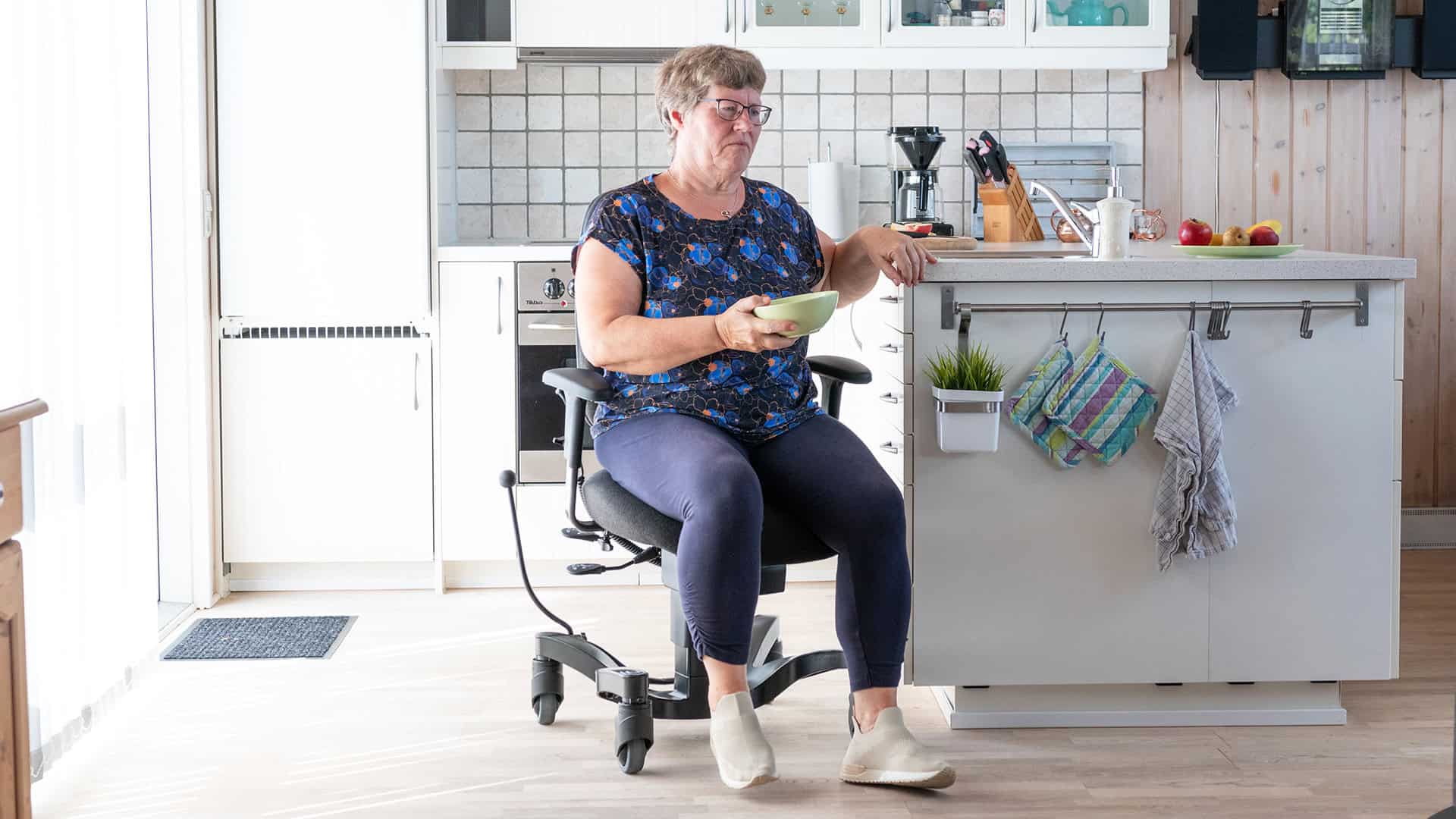
As many Melbourne residents face the challenges of infirmity and aging, finding solutions that enhance independence is critical. Products like the VELA chairs offer a medically approved mobility solution that can greatly assist with safety and autonomy at home. These chairs are designed to provide additional support and freedom of movement, allowing seniors to perform daily tasks such as cooking, dressing, and transferring between sitting and standing more easily. They also ease the workload on informal caregivers, making everyday care activities more manageable for all involved.
The landscape of assistive technology has recently experienced significant transformation. Developments such as AI-powered wheelchairs with smart navigation, robotic exoskeletons for mobility restoration, and brain-computer interface prosthetics now enable more intuitive, thought-controlled movement and promote independence for people with disabilities. Since 2025, Melbourne has seen greater use of smart walkers with LiDAR obstacle detection, wearable exoskeletons for in-home gait support and rehabilitation, and electric mobility devices with AI-assisted navigation (such as advanced XSTO all-terrain models). Smart canes featuring obstacle detection and GPS, as well as wearable devices providing real-time health monitoring, represent a further broadening of what is possible for home users. Ergonomic and inclusive design now incorporates sensor technologies to help track and prevent complications like pressure injuries, while environmental control is increasingly managed through smart home integrations, including voice-activated systems and IoT devices. These digitally connected solutions support safer, more independent living and enhance the overall quality of life for individuals receiving care at home. The disabled and elderly assistive technology market is estimated to grow to US$32.5 billion globally by 2026, reflecting significant user adoption and ongoing innovation.[1][2][4][5][6][8][2][10]
Supporting Aging in Place: A Practical Option
How can products like VELA Chairs make a tangible difference in the lives of seniors wishing to age in place? These mobility chairs provide key benefits such as enhanced safety, energy conservation, and practical support for daily activities. The central brake system secures the chair, reducing fall risks, while electric height adjustability assists with tasks like cooking. This flexibility allows seniors to engage in household activities independently, preserving their dignity and freedom. For informal caregivers, such features reduce physical strain and the necessity for constant vigilance. While VELA isn’t the only solution available, it is a proven, practical choice that can delay the need for more intensive care settings and contribute to a better quality of life at home.
Today’s home nursing services in Melbourne reflect a comprehensive approach that harnesses the latest in assistive technology, telehealth, smart home integrations, digital monitoring, and personalised care—focusing on wellness, empowerment, and long-term independence for older adults and individuals with complex care needs.[1][3][5]