

Updated January 2026: We have updated the article to incorporate recent developments in 2026, including major nursing home policy changes under the “Big Beautiful Bill,” updates to Medicaid eligibility, postponements to staffing timelines, and new models such as the TEAM waiver for 3-day hospital stays. Developments in assistive technology and innovations such as smart mobility devices have also been summarized to reflect their expanding role in supporting resident independence and influencing admission decisions.
Navigating the Complex Journey of Nursing Home Placement
Deciding to place a loved one in a nursing home is one of the most emotionally charged and complex challenges many families face. As of Q3 2024, nursing homes have recorded an occupancy rate of 84.5%, underscoring the increasing reliance on these facilities for long-term care, according to the National Investment Center (NIC). Making an informed decision is crucial. This guide provides comprehensive insights and expert guidance on the process, from understanding when nursing home care becomes necessary to navigating legal and financial considerations.
Evaluating the Necessity for Nursing Home Placement
Deciding on nursing home placement starts with assessing the specific needs of your loved one. It’s essential to determine whether their medical and personal care requirements exceed the capabilities of home care or assisted living solutions. According to Medicaid Planning Assistance, key considerations include chronic health conditions, mobility issues, and cognitive impairments like dementia. If your loved one is frequently hospitalized due to chronic illnesses or demonstrates significant memory loss affecting daily life, these are indicators that nursing home care might be necessary. Alternatives like in-home care or assisted living should be explored before moving forward with nursing home admission.
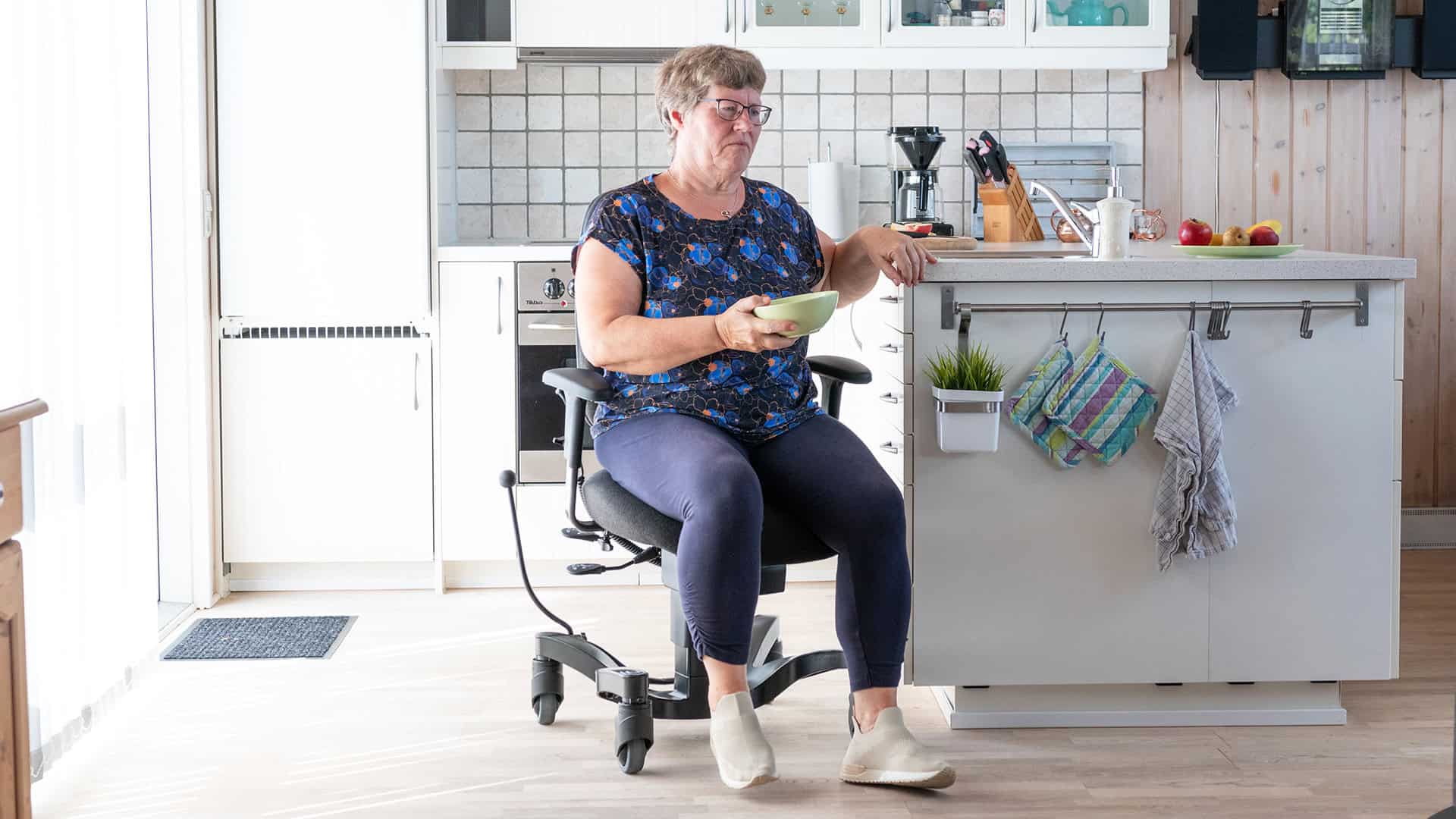
For families grappling with these decisions, maintaining independence at home remains a desirable option. Many are turning to innovative solutions that can address safety and mobility concerns while delaying the need for nursing home placement. One such solution is the VELA Independence Chair, a medically approved mobility chair designed to boost safety and freedom at home. The chair enhances one’s ability to perform daily activities like cooking and dressing, supports safe transfers, and reduces caregiver burden by easing physical demands. It empowers users to remain active and independent longer while minimizing fall risks and promoting well-being.
Navigating Legal and Ethical Aspects of Nursing Home Admission
The legal complexities involved in nursing home admission require careful consideration. Understanding power of attorney and guardianship options is crucial when your loved one cannot make their own decisions. According to Care Indeed, adults have the right to make their own healthcare decisions unless legally deemed incapacitated. A Durable Power of Attorney for Healthcare can allow someone to make medical decisions on behalf of a loved one, while guardianship may be necessary if the person is resistant to care. Professional legal advice is essential to navigate these complexities and ensure all actions are in the best interest of your loved one.
A Comprehensive Guide to the Nursing Home Admission Process
The admission process for nursing homes involves several critical steps, now shaped by recent regulatory updates. Initially, gather required medical and financial documentation, including physicians’ orders and state-specific assessment forms, as stated by the Benedictine Living Community. Under revised guidance from the Centers for Medicare & Medicaid Services (CMS), admission agreements may no longer require third-party payment guarantees, protecting residents and families from undue financial pressure and making the process more transparent and equitable.[2][1]
It is also important to conduct a thorough evaluation and undergo a Preadmission Screening and Resident Review (PASRR)—a federally mandated process for Medicaid-funded facilities. In addition, new policies emphasize the need for individualized admission screening and preadmission assessments to ensure that each resident’s functional, cognitive, and clinical needs are documented prior to placement, supporting the tailoring of care and potential early integration of assistive technologies or rehabilitation interventions.[5] Becoming familiar with these and other state-specific admission criteria will help ensure compliance and support a smoother transition.
In 2026, significant policy changes under the “Big Beautiful Bill” have further shaped the admission process in several ways. Staffing timelines for new mandatory ratios have been postponed, affecting how quickly facilities may need to adjust their workforce. Medicaid eligibility criteria have evolved, with some states introducing more flexible pathways to coverage or support, and with new waivers such as the TEAM model eliminating the requirement for a 3-day hospital stay prior to certain nursing home admissions.[7] These changes directly impact both the eligibility and speed of the placement process for new residents.
To further streamline the process and improve outcomes, the CMS has reorganized survey guidance, clarified assessment requirements, and reduced overlapping regulatory citations. This approach aims to enhance compliance and place a stronger emphasis on the rights and well-being of residents during admission, transfer, and discharge.[7]
New federal guidance issued in 2025 has also reinforced the role of medical directors in coordinating care during the admission process and strengthened quality assurance oversight in each facility. Enhanced surveyor scrutiny focuses on ensuring that discharges or transfers are clinically justified and protect resident rights, while new requirements make certain that behavioral health and dementia care needs are identified and addressed through individualized, person-centered support.[3][4]
Navigating the Financial Landscape of Nursing Home Care
Understanding the financial implications of nursing home care is vital. The limitations of Medicare and the role of Medicaid significantly influence funding. According to the National Investment Center (NIC), Medicaid is expected to remain a primary funder with expected rate increases in some states, impacting how care is funded. The application process for Medicaid remains intricate, requiring detailed information about income and assets. Notably, recent rule changes now ensure admission agreements cannot require families to commit to third-party payment guarantees, reducing unexpected financial strain.[2][1][5] Exploring private pay options—such as long-term care insurance—and undertaking financial planning with a financial advisor is recommended to manage costs effectively.
In light of the “Big Beautiful Bill” and Medicaid policy changes in 2026, families should regularly review state-specific Medicaid eligibility, especially as new pathways and waivers could simplify or expand access to financial support for nursing home care.[7]
Increased transparency is also emerging as a vital factor, with the CMS now publicly reporting chain-level quality measures on Nursing Home Care Compare. Additionally, the July 2025 revision of the Five Star quality rating system places more weight on recent survey results, giving families access to the latest information when selecting a facility.[2][8] This transparency supports informed consumer choice and may influence how facilities invest in assistive technologies and inclusive environments to improve overall quality and ratings.[4]
Alternatives to Nursing Home Care: A Practical Pathway
Amidst the complex decisions surrounding nursing home care, exploring alternatives like aging in place can offer significant advantages. Mobility aids such as VELA Chairs can greatly enhance an older adult’s ability to live independently. These chairs come equipped with features designed to address some of the safety and mobility concerns that often precipitate a move to a nursing home. With elements like a central brake for safety, electric height adjustability, and ease of movement while seated, the VELA Chair supports activities from cooking to relaxing, all while preserving energy and promoting safety. While VELA is not the only solution available, its proven benefits can effectively delay the necessity of nursing home placement, allowing individuals to maintain dignity and freedom longer at home. By reducing the physical load on both users and caregivers alike, this innovation presents a compelling option for those evaluating long-term care strategies.
Recent innovations in assistive technology—such as smart wheelchairs, AI-powered navigation, and autonomous mobility systems—are increasingly being adopted both in home settings and in nursing care. These innovations not only increase independence and safety but also represent important factors families are now considering when evaluating care options and delaying institutional placement. Adoption of this technology continues to grow, with nursing homes and rehabilitation facilities integrating such solutions to support their residents’ daily functioning and safety.
Current Trends in Staffing and Care Innovation
Recent court rulings have impacted federal staffing mandates, specifically vacating the requirement for 24/7 onsite registered nurse (RN) coverage. This reflects a significant shift, enabling facilities to adopt more flexible staffing models and potentially fostering innovation in care delivery, including the integration of assistive technologies and ergonomic rehabilitation products.[6] Such flexibility may encourage facilities to invest in technology-driven solutions for resident support, rather than being bound by rigid staffing minimums.
In 2026, timelines for implementing certain staffing mandates have been delayed further under recent legislative changes. This postponement may affect both staffing decisions and the way facilities prioritize care quality initiatives in the near term.[7]
Modern Approaches to Care Practices and Environmental Safety
Nursing homes are increasingly adopting holistic approaches to care, particularly for residents with dementia and cognitive impairments. Regulatory updates now embed individualized behavioral support and person-centered care strategies throughout facility operations, moving away from previous models that isolated dementia care in separate standards.[6] Facilities are also enhancing environmental safety with requirements like slip-resistant flooring and risk-based access to potentially dangerous items, supporting resident mobility, fall prevention, and a safer living environment. These changes align with broader adoption of ergonomic and assistive devices to ensure inclusive and protective settings.
Looking Ahead: Transparency, Quality, and Consumer Choice
The evolving regulatory landscape now places greater emphasis on transparency, resident rights, and consumer empowerment. With public reporting of provider performance, families are better equipped to compare facilities on key quality measures and make informed choices. Facilities may respond by adopting more advanced assistive technologies and by enhancing individualized care—especially as preadmission assessments and resident-centered planning become more robust.[2][4]
Key Sources
- CMS Long-Term Care Surveyor Guidance revisions (2025)
- CMS Admission, Transfer, and Discharge Updates (2025)
- Illinois LTC Admission Screening Updates (2025)
- Skilled Nursing News—CMS Survey Changes for 2025 and 2026 Legislative Updates
- CMS Nursing Home Care Compare Updates (2025)
- Analysis of 2025 RN Staffing Mandate Ruling
- Pennsylvania Department of Health Nursing Home Regulations
- CMS Medical Director and QAPI Role Updates (2025)
- Consumer Voice Summary of CMS Surveyor Guidance (2025)
- Hall Render—CMS Memo and Guidance Delay Overview (2025)
- Health Industry Washington Watch—CMS Five Star Updates (2025)
- CMS Compliance Group—Nursing Home Compare Updates (2025)
- California RCFE 2025 Regulation Updates
- McKnight’s—2025 CMS Surveyor Priorities