

Updated January 2026: We have updated the article to include the latest developments in AI-powered and smart mobility devices, recent advancements in assistive technology for seniors, changes to federal staffing requirements for nursing homes, new innovations in remote health monitoring, and current market trends in assistive technologies.
Huntington Hills Nursing Home: A Detailed Guide to Services and Care
Overview of Huntington Hills Nursing Home in Melville, NY
Located at 400 South Service Road in Melville, NY, Huntington Hills Center for Health and Rehabilitation offers a peaceful and supportive environment for seniors requiring comprehensive care. According to Elder Guide, Huntington Hills has achieved a B+ rating, highlighted by commendations from Medicare.gov and the New York State Department of Health. The facility houses up to 320 certified beds and maintains an impressive occupancy rate of up to 95.7%, demonstrating widespread community trust.
Quality Ratings, Staff, and Resident Experience
Quality care is prioritized at Huntington Hills, with outstanding inspection scores noted by Medicare.gov’s Nursing Home Compare. The facility adheres to strict safety procedures and infection control protocols, now further enhanced in response to updated CMS guidelines requiring strengthened infection prevention measures and improved reporting for infectious diseases starting January 2025[2][4][6][8]. With a nurse allocation of 3.44 hours per resident per day, nearly the state average, the center boasts a compellingly low staff turnover rate of 18% (ProPublica). Resident safety and preventive care are further emphasized by the impressive vaccination rate, with 97.7% of residents vaccinated against pneumonia, according to Elder Guide. Residents’ rights, including informed consent for medications and transparency in care plans, are now more robustly protected based on 2025 regulatory updates[2][4][8]. The facility’s quality assurance approach is also informed by new requirements for promoting racial and health equity in accordance with the latest CMS rules[2][4][6].
As of February 2026, federal staffing mandates requiring 3.48 hours of daily care per resident and 24/7 registered nurse coverage have been repealed[2][6][8]. However, Huntington Hills remains committed to high quality care, continuing comprehensive facility assessments and staffing in accordance with resident acuity and needs in line with ongoing guidance[6][8].
Services, Amenities, and Special Programs
At Huntington Hills, residents are provided with a variety of engaging amenities and high-quality services. The facility offers a game room, library, and wellness programs, promoting both mental and physical health. Specialized services include skilled nursing, secure memory care, and post-acute rehabilitation to cater to individual resident needs (Seniorly). Personalized care plans are crafted to take into account each resident’s unique medical and social requirements.
Recent advances in assistive technologies are being increasingly adopted in nursing homes like Huntington Hills. Updates in 2026 feature AI-powered mobility devices such as all-terrain wheelchairs with quadruped robotic chassis for stair climbing and rugged terrain navigation[3]. Smart wheelchair enhancements now include autonomous navigation systems with LiDAR sensors, enabling users to program destinations without manual input[1]. Add-ons like the WheelMove attachment system for manual wheelchairs extend mobility with a 25km range, expanding access and independence[3]. In addition, innovations such as wearable health monitors, AI-powered fall detection systems, smart beds with pressure and movement sensors, and robotic companions for social engagement are being adopted widely[1][3][5][7]. Automated repositioning beds and predictive ergonomic sensors help reduce injuries and improve comfort[3][7]. New smart cushions with pressure sensors, wearables with haptic feedback for sensory impairments, and TV-based assistive platforms (such as TV-AssistDem) now provide real-time cognitive support, remote coordination, and enhanced social connectivity for residents[3][5][7].
Wider adoption of electronic health records (EHR), telehealth, and collaborative platforms streamline communication between caregivers, residents, families, and healthcare providers, delivering personalized responses to emerging needs—even in times of workforce shortages[1][5]. New developments in accessible transportation, like the MaaS-Bridge initiative (CES 2026 Innovation Award winner), support integration with autonomous mobility services, addressing accessibility for wheelchair users and seniors[3].
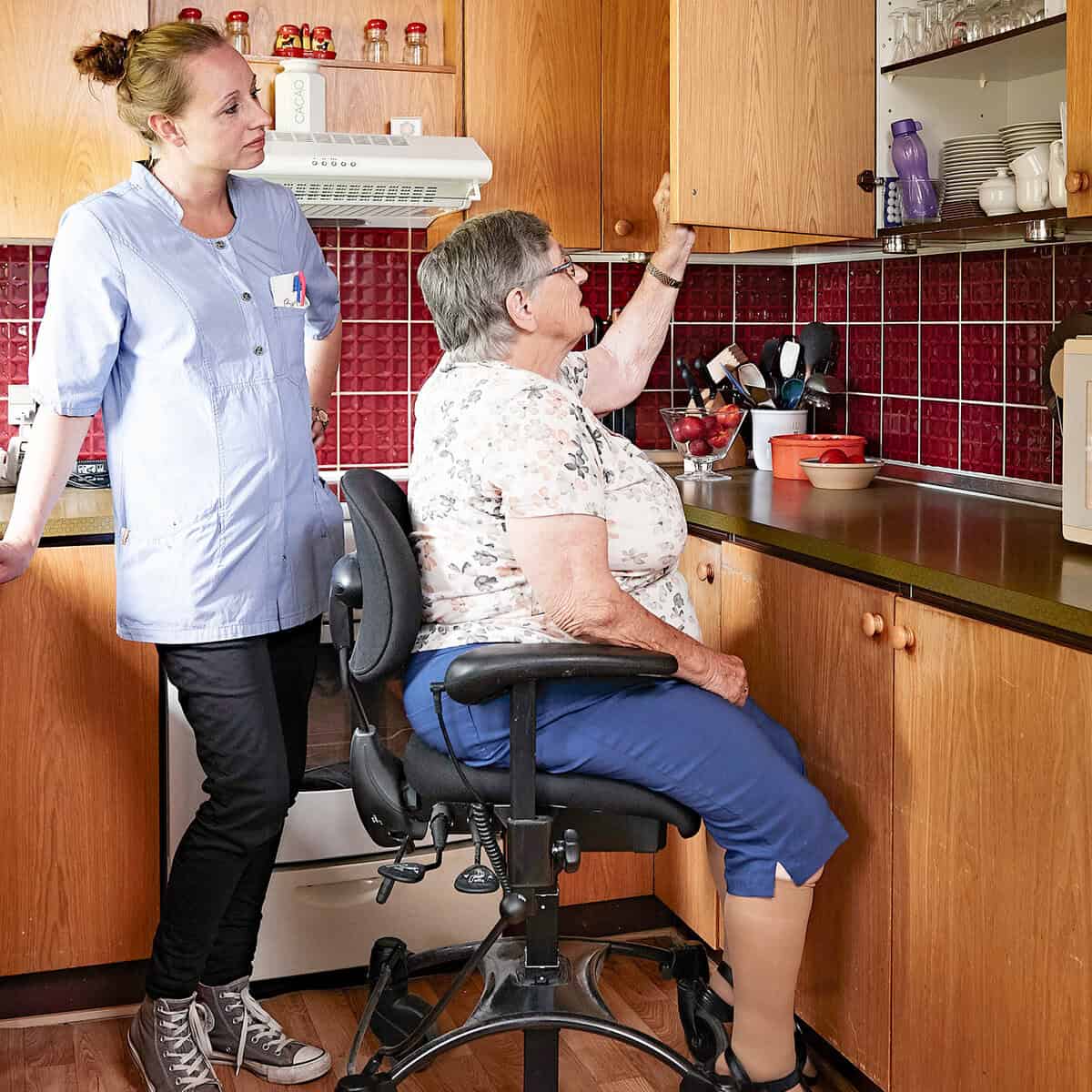
Transitioning smoothly from facility-specific solutions, it’s vital to consider ongoing independent living as a viable strategy for elderly care. While traditional nursing homes provide structured environments for care, innovative solutions like the VELA medically approved mobility chair foster independence in home settings. These chairs significantly enhance safety and mobility, offering freedom of movement while seated and assisting with daily activities such as cooking and dressing. By reducing the dependence on informal caregivers, residents are empowered to engage more actively in their environments.
Costs, Admissions, and Local Community Insights
Understanding the financial considerations of long-term care is essential. The average monthly cost for skilled nursing in the Melville/Suffolk County area ranges from $13,000 to $15,500; however, exact pricing should be verified with the facility directly. According to the New York State Department of Health, Huntington Hills enjoys an occupancy rate around 88%, reflecting its reputation and demand. Admissions are supported with detailed guidance on insurance and Medicaid options, ensuring families understand potential financial responsibilities.
Alternatives to Traditional Nursing Homes
While Huntington Hills offers robust care options, seniors and their families may also want to evaluate alternatives such as home care. Recent rapid growth in the assistive technology market—predicted to reach US$32.5 billion by 2026, with mobility assistance growing at 6% CAGR—reflects widespread adoption of innovative solutions for independent living[5]. Technologies such as AI-powered wheelchairs, quick-install attachments, smart cushions, wearables, AI fall detection, and TV-based assistive platforms empower seniors to navigate home environments safely[1][3][5][7]. Integration of remote monitoring, AI virtual health assistants, and wearable safety devices enables seamless access to health and support services at home[1][5]. The latest trends include user-centered product innovation and iterative design processes guided by ongoing resident feedback, ensuring a close match between assistive technology and the evolving needs of seniors and caregivers[3][5][7]. By leveraging these advancements, families can achieve an ideal balance of safety, autonomy, and confidence for their loved ones.
Huntington Hills Center for Health and Rehabilitation stands out for its quality care, specialized services, and community integration in Melville, NY. Its focus on resident safety, expert staffing, and varied amenities provides comprehensive support for its elderly residents. The adoption of the latest smart assistive technologies and compliance with new regulatory standards represent the facility’s commitment to delivering exceptional resident experiences. As families explore options, considering both facility-centered care and innovations like home-based solutions ensures the well-being and independence of seniors. This thoughtful approach supports a fulfilling and comfortable life in their later years.
How Mobility Solutions Like VELA Make a Difference
Mobility solutions such as the VELA Chair offer unique benefits for those wishing to remain independent in their homes. Designed with safety and practicality at the forefront, the mobility chairs for seniors feature a central brake for added security, electric height adjustability for ease of transfers, and simple movement while seated. Incorporating such equipment helps older adults conserve energy and maintain their dignity as they perform everyday activities like cooking and cleaning. By addressing core challenges like fall prevention and mobility, VELA chairs are a strategic tool in delaying the transition to nursing home care, delivering freedom, safety, and peace of mind to both users and their caregivers. Alongside current advancements such as AI-powered smart cushions, wearable haptic devices for sensory support, fall detection systems, smart wheelchair and attachment technologies, and TV-based assistive technology[1][3][5][7], these solutions represent practical and effective choices for many seeking to support aging in place.