

Updated September 2025: We have updated the article to reflect the latest 2025 Medicaid spousal financial protection limits and recent advances in assistive technology, including AI-driven mobility aids, brain-computer interfaces, and the latest ergonomic innovations that enhance independence and quality of life for people with mobility challenges.
Navigating spousal financial responsibility for nursing home care
When facing the often complex financial implications of nursing home care, many people wonder, “Is a spouse responsible for nursing home payments?” According to the Consumer Financial Protection Bureau, under the federal Nursing Home Reform Act, nursing homes are prohibited from requiring a spouse to pay for their partner’s care as a condition of admission. However, understanding a spouse’s financial responsibility demands looking at both federal and state laws, which can vary significantly.
In some states, known as community property states, assets and debts accrued during the marriage are generally considered joint. This means that both spouses may be responsible for debts incurred during the marriage, including nursing home bills. Conversely, in non-community property states, one spouse is typically not automatically responsible for the other’s debts—this includes nursing home bills—except under certain medical debt exceptions. According to Elder Law Answers, each state may have its legislation on spousal obligations and exceptions, which highlights the importance of consulting state-specific legal resources or obtaining legal advice.
Medicaid protections: safeguarding the financial health of the community spouse
Medicaid plays a crucial role in providing financial safeguards for spouses. It offers benefits to cover long-term care while protecting the so-called “community spouse”—the spouse who continues to live independently. According to Paying for Senior Care, Medicaid’s spousal impoverishment provisions allow the community spouse to retain a portion of the couple’s assets and income, ensuring they are not left financially destitute when one spouse requires nursing home care.
For 2025, these protections have increased. The community spouse may retain up to $157,920 in assets (up from $154,140 in 2024), and the Monthly Maintenance Needs Allowance has risen to a maximum of $3,948 per month. These updates, as outlined by Dallas Elder Lawyer and ElderLawAdvocates.net, are designed to protect the healthy spouse from impoverishment. The National Council on Aging adds that states may set their own detailed limits within federal guidelines, making consulting a qualified elder law attorney important for up-to-date planning (National Council on Aging).
Medicaid eligibility is determined by income and asset limits, and it can be a lifeline for families balancing nursing home financial responsibilities. It’s essential to understand these provisions and how they can support families in maintaining their financial stability. For more on planning for spousal support during nursing home admissions, see Curranee Law LLC.
Understanding exceptions to spousal liability in nursing home debt
While federal laws provide a broad framework, specific situations can lead to spousal liability for nursing home debt. According to Lone Star Legal Aid, some states have statutes addressing spousal obligation, sometimes referred to as filial responsibility laws. These laws, although rarely enforced, can mandate financial responsibility based on family ties.
Moreover, situations like jointly owned assets can complicate liability issues, especially when addressing debts linked to after-death liabilities. As highlighted by the Standard Examiner, spousal protections may depend on local property laws, underscoring the necessity for expert legal guidance.
Strategies for asset protection and contract navigation in nursing homes
Understanding contracts and protecting assets are vital when planning for or considering nursing home care. According to the Consumer Financial Protection Bureau, it is crucial for spouses to carefully review admission agreements, ensuring there are no clauses that may inadvertently bind them to financial responsibility.
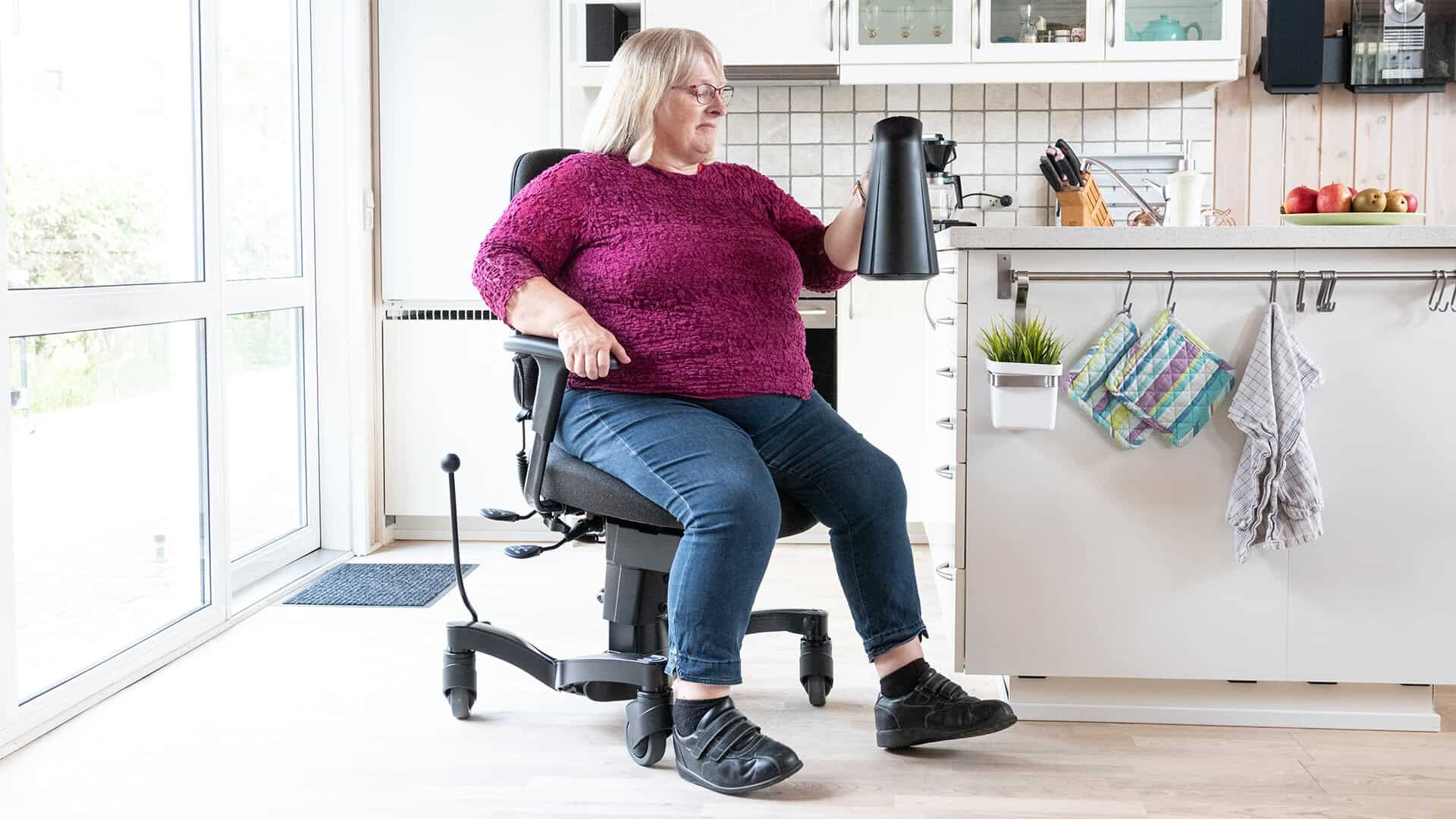
Navigating the challenges associated with nursing home care often leads families to explore solutions that enable older adults to remain independent in their own homes for as long as possible. By using resources like mobility solutions for seniors, families can create safer and more adaptive home environments. The VELA Independence Chair is one such solution — a medically approved mobility chair designed for secure use at home. This chair offers enhanced safety, freedom of movement while seated, and support for daily activities like cooking, dressing, or transferring — all while alleviating the burden on informal caregivers.
The evolving field of assistive technology also offers new opportunities. In 2025, innovations like AI-powered smart glasses provide real-time environmental descriptions and facial recognition for visually impaired users (thinkbeyondthechair.org), while brain-computer interface prosthetics and wearable robotics deliver more intuitive, user-centered control. Advances in ergonomic design and shared control systems in powered wheelchairs and mobility devices continue to support improved rehabilitation and autonomy (PMC; Equal Accessibility LLC). Exploring these technologies can help families create a safer, more adaptive environment for aging in place (AbilityMT.org).
Residents and their families should also consider seeking legal advice to navigate the nuances of nursing home contracts and state laws. Additionally, understanding in-home care options can offer families different pathways to maintaining their lifestyle and financial well-being.
Supporting aging in place: a practical option
Mobility solutions like the VELA Independence Chair are pivotal in supporting aging adults to remain at home longer, thereby delaying or potentially avoiding the need for nursing home care. Designed with safety in mind, VELA chairs are equipped with features such as a central brake that prevents unwanted movement and electric height adjustability that aids in seamless transfers from seated positions to standing positions or vice versa. This empowers older adults to engage in everyday tasks, from preparing meals to relaxing comfortably. Furthermore, the chair’s ease of movement while seated conserves energy, providing users with a sense of autonomy and dignity. These benefits, particularly in preventing falls, underscore the chair’s role in reducing caregiver burden and enhancing quality of life. While VELA is a proven and practical solution, families are encouraged to explore diverse options to find what best suits their unique needs and environments.