

Updated September 2025: We have updated the article to include new findings on advanced assistive technologies, such as AI-powered devices, brain-computer interface prosthetics, ergonomic design improvements, and recent trends in on-site therapeutic services. The article also reflects current person-centered care models and improvements in user empowerment and independence through innovative mobility solutions.
Is Assisted Living the Same as a Nursing Home?
The question, “Is assisted living the same as a nursing home?” is a common one, and it’s understandable why some might think these options are similar. Both settings support older adults requiring assistance in their daily lives. However, there are key differences between these two options, which are critical to making informed decisions about senior care. According to National Institute on Aging, both types of facilities provide essential services, but the level and type of care offered vary significantly.
Defining Assisted Living and Nursing Homes
Assisted Living facilities are designed for individuals who need help with daily activities but do not require round-the-clock medical care. According to A Place for Mom, assisted living is suitable for adults who manage most daily tasks independently but require occasional help. These facilities focus on personal care tasks such as bathing, dressing, and medication management while promoting independence. Residents typically enjoy social activities and a community environment, which supports a high degree of autonomy.
Nursing Homes, also known as skilled nursing facilities, cater to individuals with more extensive health needs. The primary goal is to provide comprehensive care with a strong focus on medical services. Residents often have chronic conditions or disabilities that require a higher level of medical attention and care than typically available in assisted living settings. According to HumanGood, these facilities are staffed around the clock with registered nurses and other healthcare professionals, ensuring significant supervision and support for those with complex health needs.
Comparing Levels of Care and Resident Lifestyle
Medical supervision and staffing levels are key differences when comparing assisted living and nursing homes. Nursing homes offer more intensive supervision, with healthcare professionals available 24/7 to address any arising health issues. Assisted living facilities, on the other hand, focus more on fostering independence. They maintain a community environment that encourages active social lives through structured activities.
Recent advances in assistive technology are increasingly narrowing the functional and medical care gap between the two settings. Assisted living facilities are now offering more on-site, partnered therapeutic services such as physical and occupational therapy, supporting independence while addressing residents’ health needs.[3] At the same time, both assisted living and nursing homes have embraced new assistive devices like AI-powered smart glasses, brain-computer interface (BCI) prosthetics, and smart wheelchair enhancements, which improve independence and comfort for residents with mobility challenges.[2][4][8]
Advances in ergonomic and inclusive product design are shaping a new generation of assistive devices. These include adaptive input devices with voice recognition, wearable robotics, and home automation tools specifically designed to be more comfortable, intuitive, and supportive of a user’s independence.[6] Residents and caregivers are increasingly embracing these innovations for improved safety, easier daily management, and greater autonomy.
Practical scenarios can illustrate these differences effectively: In an assisted living facility, residents might partake in communal activities like art classes or field trips, while staff assist with medication management as needed. In nursing homes, residents might receive daily physiotherapy, have regular doctor check-ins, and require assistance with intricate care routines due to their more complex health requirements. However, both environments are now more likely to integrate on-site therapies and advanced mobility solutions as standard parts of their care offerings.[3]
Cost is also a distinguishing factor. According to Sonata Senior Living, nursing homes tend to be more expensive due to their comprehensive medical care services, often funded by Medicaid, Medicare, or private insurance.
Choosing Between Assisted Living and Nursing Homes
When selecting between assisted living and nursing homes, it’s essential to evaluate several factors, such as specific care needs, the individual’s level of independence, and budget considerations. Eligibility assessments are typically conducted to determine the most suitable setting by assessing the person’s ability to perform daily tasks independently.
For instance, assisted living may be ideal for those who value social engagement and require only minor assistance. In contrast, nursing homes are better suited for individuals needing regular medical support. The current trend toward person-centered care means that both settings now offer more flexible combinations of social, functional, and medical services adapted to resident preferences and needs.[3] As advised by Sonata Senior Living, beginning with an evaluation of your loved one’s specific health needs and the services each type of facility offers can guide you to the best choice.
Frequently Asked Questions About Senior Living Options
- Does Medicare cover these costs? Typically, Medicare does not cover long-term care in either setting, only specific medical services in nursing homes. However, some costs may be covered by Medicaid, depending on eligibility.
- Can residents transition between assisted living and nursing homes? Transitions are possible, but depend on individual health assessments and the facilities’ capacities to provide the necessary care. As noted by the National Institute on Aging, each option offers distinct advantages tailored to different needs, emphasizing the importance of evaluating personal and medical requirements when choosing a care setting.
Exploring Alternatives to Nursing Homes
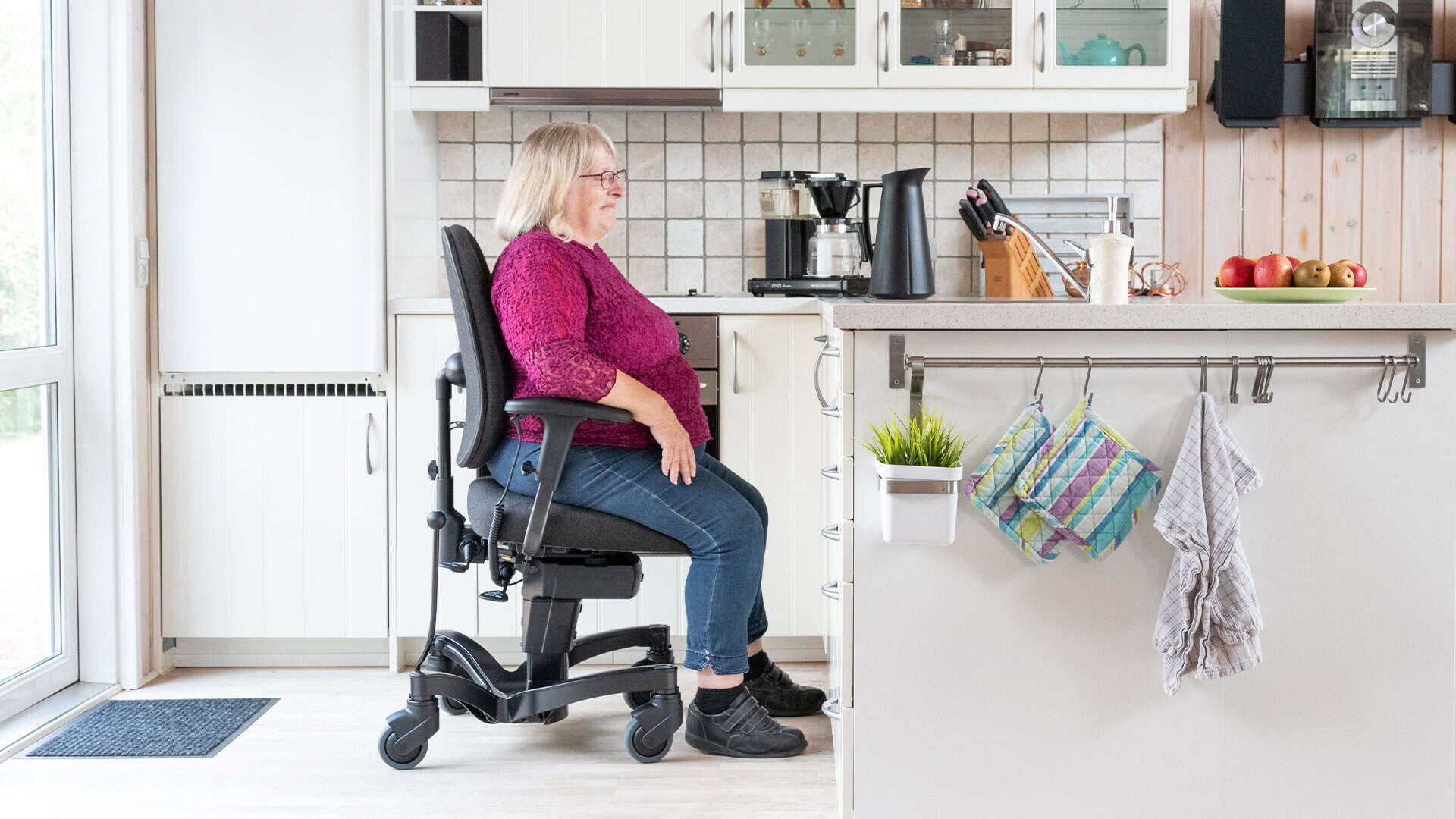
Staying at home longer with supportive tools can be a realistic option for many seniors, thanks to advancements in mobility aids like the VELA Chair. This chair enhances safety and energy efficiency with features such as a central brake and electric height adjustability. The high degree of ease of movement while seated directly addresses safety concerns and assists with daily tasks like cooking and cleaning, offering significant improvements in quality of life. VELA Chairs help bridge the gap between full independence and institutional care, aiding in free living with dignity. They provide a practical means to delay the necessity of nursing home admission, while promoting freedom and reducing the stress on caregivers. Although VELA is not the only consideration, it is a proven and practical choice for those seeking support for aging in place. For more insights on these mobility solutions, visit Mobility Solutions for Seniors.
Modern alternatives now also include devices such as AI-powered smart glasses, brain-computer interface prosthetics for intuitive device control, and voice-activated home automation. Wearable exoskeletons and ergonomic wheelchair enhancements are supporting safe, efficient movement and physical therapy both at home and within assisted living communities.[2][4][8] Ergonomic and inclusive product designs, developed in close partnership with users and clinicians, are now more widely adopted to better match the preferences and abilities of those they support.[6]
In summary, assisted living and nursing homes each serve essential but different roles in senior care. Assisted living prioritizes independence with support, while nursing homes provide comprehensive medical care. Understanding these differences is vital for making an informed choice tailored to the unique needs of your loved ones. Encourage thorough research and consideration of all available options when determining the best path forward for your loved one’s care and well-being.
An essential aspect of making arrangements for senior care involves understanding not only these communities but also exploring how seniors can maintain independence in their own homes. Many older adults find the thought of leaving home and entering a nursing facility challenging, and for some, solutions that support aging in place could offer the preferred alternative. The VELA Independence Chair is one such solution that enhances the autonomy of seniors by providing them with a medically approved mobility chair designed for home use. The chair provides enhanced safety, freedom of movement while seated, and supports daily activities like cooking, dressing, or transferring. This, in turn, reduces the load on informal caregivers, making it a valuable resource for families striving to maintain home living arrangements for their loved ones.
- Healthline – Assisted Living vs. Nursing Home: How Do They Differ? (2024 update)
https://www.healthline.com/health/assisted-living-vs-nursing-home - ThinkBeyondTheChair.org – The Best Assistive Tech Gadgets in 2025: Enhancing Independence Through Innovation (AI smart glasses, BCI prosthetics)
https://thinkbeyondthechair.org/the-best-assistive-tech-gadgets-in-2025-enhancing-independence-through-innovation/ - Charter of Brookfield – Assisted Living vs. Nursing Home Care: Therapy partnerships and care distinctions
https://www.charterofbrookfield.com/blog/assisted-living-vs-nursing-home/ - PubMed Central – Recent Trends in Assistive Technology for Mobility: User-Technology Integration and Robotics (2025)
https://pmc.ncbi.nlm.nih.gov/articles/PMC3474161/ - Equal Accessibility LLC – Innovations In Assistive Technology: Voice recognition, ergonomic inputs, wearable tech
https://equalaccessibility.co/resources/innovations-assistive-technology/ - AbilityMT.org – Smart Wheelchairs and Adaptive Tech Updates for People with Disabilities (2025)
https://abilitymt.org/blog/assistive-technology-people-disabilities