

Updated September 2025: We have updated the article to reflect the latest innovations in assistive technologies, including AI-powered devices, smart home integrations, advanced ergonomic designs, and the growing role of telehealth and remote monitoring in modern nursing homes and home care.
Is the Nursing Home in The Notebook the House Noah Built?
The iconic film “The Notebook” weaves a poignant tale of enduring love and has left many fans pondering a central question: Is the nursing home depicted in the movie the same house Noah built for Allie? The answer is no; the nursing home is a separate location from Noah’s lovingly restored home. This distinction between the fictional and real elements of filmmaking offers an intriguing opportunity to delve into how nursing homes are portrayed in media and what actual facilities provide today.
The Nursing Home in “The Notebook”: Fiction Versus Reality
In “The Notebook,” the narrative explores love’s persistence through life’s trials. A significant portion unfolds in a nursing home where an aged Noah reads their story to Allie, who is living with dementia. In the movie, the nursing home setting plays on themes of memory and nostalgia, portrayed as a place of deep emotional significance rather than an extension of Noah’s craftsmanship. According to Movie Locations and Hooked on Houses, the film’s nursing home scenes were shot in various locations, distinct from Noah’s home.
Film connoisseurs and critics often emphasize that, while the nursing home serves as an emotional fulcrum of the film, it should not be confused with Noah’s original or restored home. This cinematic liberty highlights how art distills complex aspects of senior living into cohesive and compelling storylines.
Was the Nursing Home the House Noah Built?
The plot of “The Notebook” uses Noah’s restored house as a metaphor for a promise fulfilled, whereas the nursing home represents a chapter defined by care and memory preservation. The nursing home scenes were filmed at the scenic Rice Hope Plantation House in Georgetown County, South Carolina. This location was selected for its serene and historic ambiance, offering a setting distinct from Noah’s home. Detailed confirmations come from sources like The Independent and Homework Study, emphasizing the symbolic separation between a home of love and a healthcare facility dedicated to memory retention. This contrast enhances the narrative’s depth, allowing viewers to appreciate synergies and disparities between the two locations.
Filming Locations Explored: Rice Hope Plantation House
Chosen for its architectural beauty and historical gravity, the Rice Hope Plantation House became the filming site for the nursing home scenes in “The Notebook.” Although serving as a nursing home set in the movie, this location is a private residence and not available for public visitation. Insights from sources like Giggster and We Junket illustrate how its stately presence enhanced the film’s nostalgia. Tourists visiting South Carolina often mention the site, revealing its enduring appeal as a cinematic landmark.
Nursing Home Industry: What Real Facilities Offer Today
Contrasting with fictional portrayals, modern nursing homes provide a comprehensive array of services, addressing both the healthcare and emotional needs of residents. Real nursing homes now offer advanced solutions enabled by technology, with a focus on both health and quality of life. Recent advancements include the integration of AI-powered assistive devices, such as smart wheelchairs equipped with GPS, collision avoidance systems, real-time health tracking, and adaptive learning functions that enhance user independence and safety Everything Medical Online iHealthcareAnalyst.
Remote health monitoring and telehealth have become standard, allowing for continuous tracking of vital signs, automatic fall detection, and remote medical consultations. These innovations help reduce hospital admissions and improve personalized care for residents Synchrony Financial ButterflyMX. The National Investment Center recently reported a 0.2 percentage point increase to an 84.5% occupancy rate in Q3 2024, underpinning the sector’s ongoing shift toward high-quality, technology-enabled care.
Facilities now commonly incorporate smart home technology—including voice-activated assistants, automated lighting, secure smart locks, and sensor-based systems—to reduce fall risk and support daily living activities, enabling older adults to remain independent with minimal in-person supervision UnitedHealthcare Community & State.
Modern assistive devices reflect cutting-edge ergonomics and personalization, leveraging 3D printing for custom-fitted mobility aids and introducing wearable robotics and advanced biomaterials for greater comfort and agility iHealthcareAnalyst.
These changes are reinforced by new clinical protocols and regulatory standards emphasizing interoperability, digital health solutions, and person-centered care models that harness data analytics for proactive risk management and staff optimization Sparkco AI McKnight’s Long-Term Care News. Amenities and services are designed to create a supportive environment, ranging from medical care to recreational, therapeutic, and personalized digital solutions.
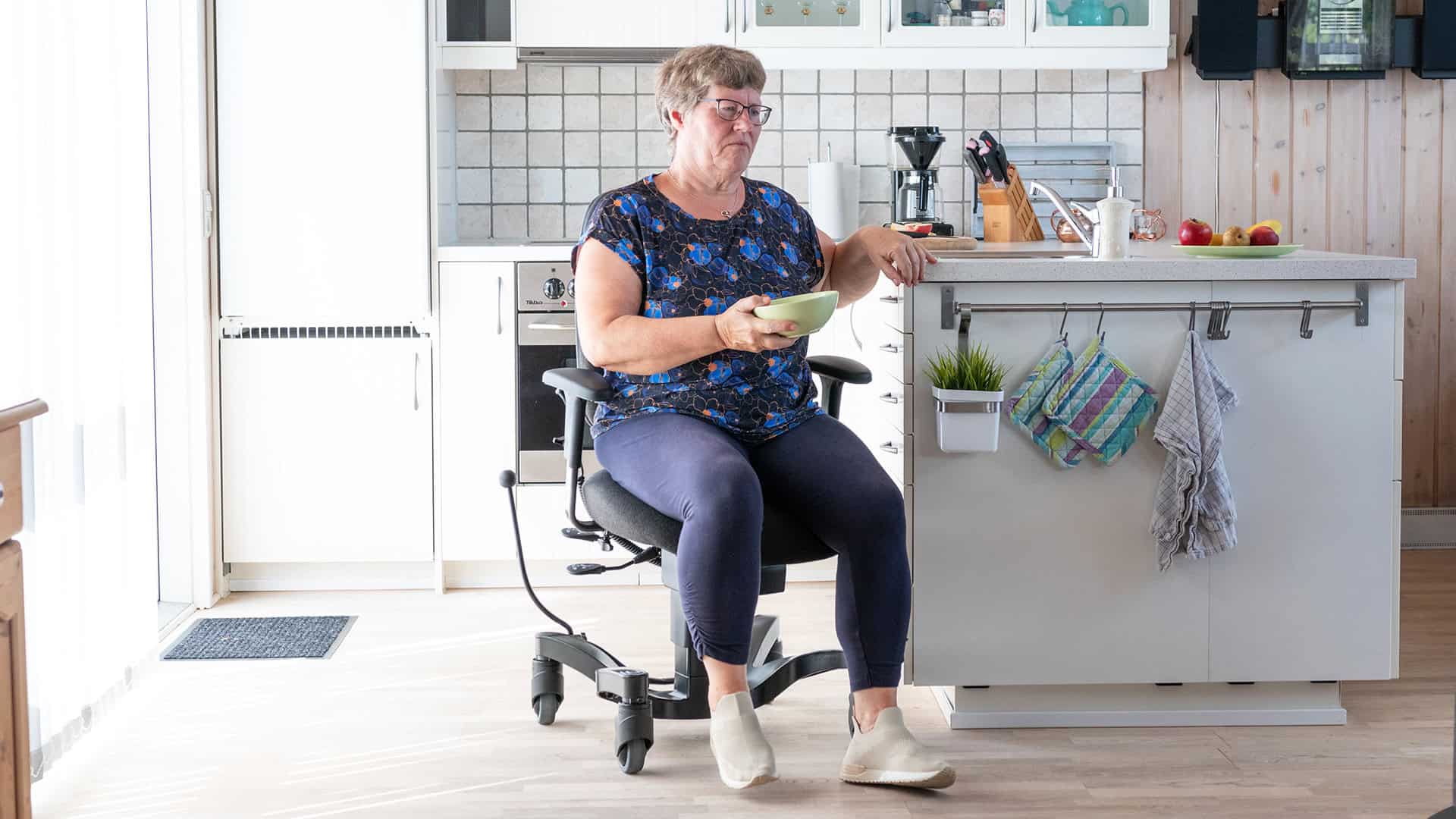
As today’s senior care landscape evolves, new solutions for aging in place are gaining attention. Many older adults seek alternatives to traditional nursing homes, desiring to maintain independence in familiar environments. This is where innovations like VELA chairs come in, offering a practical approach for seniors looking to preserve autonomy while still addressing mobility and safety at home. The VELA chair is a medically approved mobility chair designed for home use. It enhances safety, freedom of movement while seated, and supports daily activities such as cooking, dressing, or transferring — all while reducing the load on informal caregivers.
Staying Independent at Home with Support
For many seniors, maintaining independence at home instead of moving into a nursing home is an appealing option. VELA Chairs can play a crucial role in elongating this period of autonomy. With features like a central brake for enhanced safety, electric height adjustability, and ease of movement while seated, VELA Chairs address significant challenges faced by the elderly. This may delay or even eliminate the need for nursing home care by creating a safer and more comfortable home environment. The chair helps balance the demands of daily life from cooking to relaxing, conserving energy and empowering seniors to engage in activities they enjoy. While VELA is one of several solutions available, it has proven to be a highly effective tool for supporting aging in place, enhancing dignity, freedom, and safety for its users. For more about these valuable features, explore their Mobility Solutions for Seniors.