

Updated September 2025: We have updated the article to reflect significant advances in AI-powered assistive technologies, smart mobility aids, telehealth, and remote monitoring in senior care settings. The update also addresses trends in ergonomic design innovations, integration of smart devices, evolving regulatory guidelines, and the impact of modern technology on autonomy and caregiver support.
Exploring Jenkins Nursing Homes
Exploring the many options for senior care can be overwhelming, particularly when searching for high-quality nursing homes like those under the “Jenkins Nursing Home” umbrella. Jenkins Nursing Homes are not a single entity; they comprise several facilities across different states, each offering unique features and services. According to the CMS Five-Star Quality Rating System, these homes are evaluated on several quality metrics to aid families in making informed decisions. The Medicare.gov Care Compare website can also be an invaluable resource for examining these metrics and comparing facilities.
Exploring the Jenkins Nursing Homes Network
Three primary facilities within the Jenkins Nursing Homes stand out: Jenkins Care Community in Ohio, Jenkins Living Center in South Dakota, and Jenkins Memorial Nursing Home in Maryland. Each facility offers a distinct environment and range of services tailored to meet the needs of their residents.
- Jenkins Care Community, Ohio: This 12,500-square-foot facility with 25 units is designed to provide a cozy and intimate setting, ideal for personalized care. Practical features include a dual fireplace between sitting and dining areas, along with unit amenities like 40-inch televisions and lounge chairs. The staff emphasizes creating a homelike environment where residents can receive tailored 24-hour care.
- Jenkins Living Center, South Dakota: Situated in Watertown, this facility boasts 110 certified beds and focuses on both independent and long-term care services. With a history stretching back to 1958, Jenkins Living Center offers comprehensive services with an average nurse staffing level of 4.16 hours per resident per day, significantly above the regional average, according to ProPublica.
- Jenkins Memorial Nursing Home, Maryland: This 162-bed facility in Timonium provides specialized programs such as Alzheimer’s and inpatient hospice care. Associated with charitable organizations and evaluated by Charity Navigator, Jenkins Memorial Nursing Home has invested in programs that address the physical, emotional, and spiritual well-being of residents.
Understanding the distinctive characteristics of each location, including their ownership models and organizational structures, is crucial for making the best choice for potential residents and their families.
Assessing Quality and Services at Jenkins Nursing Homes
Quality of care is a crucial factor when selecting a nursing home. Jenkins facilities are rigorously evaluated using several industry-standard methods. As per the CMS guidelines, facilities with a five-star rating are considered to provide much above-average quality care.
In-depth analysis of staffing levels, like those at Jenkins Living Center in South Dakota, indicates superior nurse-to-resident ratios, contributing significantly to resident well-being. Beyond skilled nursing, specialized care options such as Alzheimer’s units and palliative programs ensure residents’ diverse needs are met comprehensively. Each facility prioritizes a holistic approach, offering amenities ranging from nutrient-rich meals to engaging community activities designed to enrich the lives of seniors.
New advancements have transformed the quality and delivery of care at Jenkins Nursing Homes. Integration of AI-powered assistive technology—including smart wheelchairs, AI-driven health monitoring systems, and adaptive mobility aids—now supports personalized care and enhances resident safety and independence. Smart rehabilitation equipment and devices adapt in real-time to the individual needs of residents, making therapy and daily activities more comfortable and effective. Telehealth and remote health monitoring are increasingly standard, allowing clinical staff to proactively manage health risks and deliver timely interventions, which reduces hospitalization and supports long-term well-being.[1][2][3][4][5][7]
Understanding Financial Aspects of Jenkins Nursing Homes
Financial considerations are fundamental when choosing a nursing home. Jenkins facilities accommodate various payment methods, including private pay and government assistance programs such as Medicaid and Medicare. Programs like the Ohio Medicaid Waiver, accessible through the Jenkins Care Community, provide essential services to residents with financial needs, ensuring broader accessibility.
However, identifying the financial health and efficiency of these nursing homes is also imperative. For instance, Charity Navigator provides insights into the financial accountability of Jenkins facilities, allowing families to gauge cost-effectiveness relative to regional averages. The assistive technology market is experiencing significant growth, fueled by investments in innovative solutions and rising demand, which can contribute to a more robust infrastructure for these services in nursing facilities.[8]
Enhancing Resident Experience at Jenkins Nursing Homes
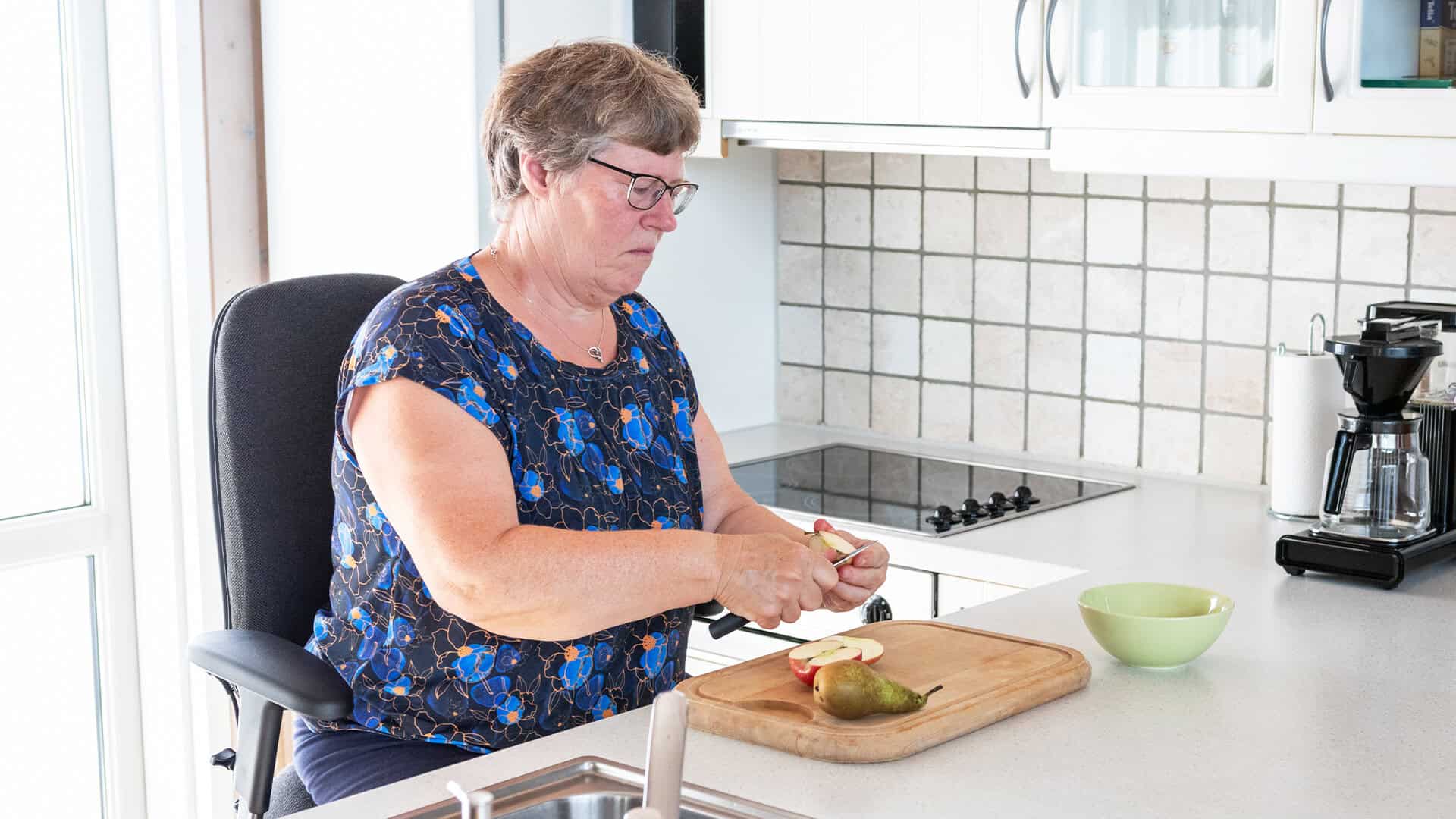
For many families, the journey of finding the right nursing home includes contemplating alternatives that align with the desire for maintaining independence in one’s own home. An option worth considering for those exploring home-based solutions instead of full-time nursing care is the utilization of adaptive equipment like VELA chairs. These chairs, which are medically approved mobility solutions, enhance safety and freedom of movement for individuals while reducing caregiver burdens. VELA chairs are designed to support daily activities such as cooking, dressing, and transferring, ensuring that older adults can remain active and engaged within their home environments. Enhancing Independence with Mobility Chairs.
Promoting an excellent resident experience at Jenkins Nursing Homes involves fostering community integration, offering robust activity schedules, and encouraging family involvement. Current approaches also leverage emerging technology—such as AI-enabled communication tools, virtual companions, and smart home integrations—that foster connection, provide cognitive support, and reduce loneliness among seniors. The use of technology has demonstrated high acceptance among residents, enhancing autonomy and reducing caregiver workload. Facilities like those in South Dakota advocate for interdisciplinary care teams and provide transitional support to ensure residents feel connected and supported. Comprehensive open visitation policies and active family involvement in care planning further enhance residents’ quality of life.[1][2][3][5][6][7]
Staying Independent at Home with Support
As many seniors express a preference to age in place, mobility solutions like VELA chairs play a crucial role by enhancing everyday safety and autonomy. Designed to provide central brake safety, ease of movement while seated, and electric height adjustability, these chairs support tasks around the home from cooking to relaxing. By addressing key concerns such as fall risks and energy conservation, VELA chairs can significantly postpone the need for seniors to move to nursing facilities. This not only preserves dignity and freedom for the individual but also eases the demand on informal caregivers. Increasingly, home-based care models combine adaptive devices with remote health monitoring technologies, smart home assistants, and AI-based predictive analytics, extending clinical oversight and safety for seniors living independently. While VELA represents one compelling solution in the landscape of at-home care, it stands out for its practicality and proven effectiveness in supporting a healthier, independent lifestyle.[1][2][3][4][5][6][7]
Sources:
- SynchronyFL, “The Future of Home Health Care: Trends to Watch in 2025” – overview of AI-assisted senior care, fall detection, remote monitoring [1]
- ButterflyMX, “Senior Living Technology Trends 2025” – AI predictive analytics, telehealth integration, remote monitoring in senior care [2]
- Harvard Business Review Health Care, “The Future of Senior Living: Trends to Watch in 2025” – smart homes, telemedicine, wearable health trackers [3]
- Everything Medical Online, “The Latest Trends in Mobility Aid Technology for 2025” – smart wheelchairs, AI-enabled mobility devices [4]
- UnitedHealthcare Community & State, “How enabling technology is transforming home-based care” – use of smart home assistants and remote supports in ageing in place models [5]
- Let’s Envision, “What’s Next for 2025: The Future of Assistive Technology & AI Assistants” – AI assistants transforming accessibility for people with disabilities [6]
- PubMed Central, Giansanti 2025, “Integrating AI and Assistive Technologies in Healthcare” – systematic review on AI’s role in enhancing assistive tech performance and independence [7]
- PR Newswire, “Assistive Technology Market to Grow by USD 6.3 Billion from 2025-2029” – market growth driven by AI innovation and rising orthopedic/neurological disorders [8]