

Updated September 2025: We have updated the article to reflect new developments in fall prevention for seniors, including advances in smart wearable devices, sensor-equipped flooring, enhanced clinical guidelines, and modern assistive technologies now employed in nursing homes. Kimwell’s approach is considered in light of these 2025 best practices for elderly care.
Kimwell Nursing Home in Fall River: A Comprehensive Guide for Families
Navigating the world of nursing home care can be challenging, especially when striving to find the best match for yourself or a loved one. In Fall River, Massachusetts, Kimwell Nursing Home and Rehabilitation serves as a significant institution providing essential care for the elderly. This article explores the key facets of Kimwell, from its ratings and staffing to the resident experience, equipping families with the knowledge to make informed decisions.
Understanding Kimwell Nursing and Rehabilitation in Fall River
Located at 495 New Boston Road, Fall River, MA, Kimwell has long been a staple in the community, offering both short-term rehabilitation and long-term care to residents. According to CMS (Centers for Medicare & Medicaid Services), Kimwell accommodates 124 certified beds, with an average daily occupancy of 99 residents. The facility’s participation in Medicare and Medicaid programs enhances financial accessibility for many families.
Medicare.gov rates Kimwell with an overall 3 out of 5-star rating, which mirrors several operational aspects explored further in this article. Local families commend Kimwell for its community-centric atmosphere, sharing anecdotes of compassionate care their loved ones receive, contributing to its trusted reputation.
Evaluating Quality: Ratings, Staffing, and Inspections at Kimwell
Kimwell’s quality rating, based on data from SeniorCare.com, includes 3 out of 5 stars for health inspections but shows a 1 out of 5 in staffing and 2 out of 5 in quality measures. These insights highlight both strengths and areas for potential improvement.
Staffing levels are critical to ensuring quality care. Currently, Kimwell provides nurse staffing at 3.59 hours per resident per day, slightly below Massachusetts’ state average of 3.8 hours. ProPublica provides a detailed inspection history, revealing penalties, including fines amounting to $25,100 over recent years—an essential consideration when evaluating the facility’s operational compliance and care standards.
Comparing Kimwell with Other Nursing Homes in Fall River
When choosing a nursing home, comparing multiple facilities ensures the best fit for care needs and preferences. Kimwell holds a competitive spot amongst local options. As detailed in Medicare, the average monthly cost for a semi-private room in Massachusetts is between $12,000 and $13,000. Kimwell’s 80% occupancy rate indicates steady community demand.
Local healthcare professionals advise weighing both the financial aspects and the qualitative elements when selecting a facility, specific to the care requirements of potential residents.
Resident life and care services at Kimwell
Kimwell provides a variety of care and therapy services customized to individual needs, including physical and occupational therapies, fostering resident engagement and overall well-being. According to family testimonials and reviews, the facility’s vibrant social activities and dedicated staff contribute to a lively resident experience.
Recent advances in nursing home care highlight the integration of new assistive technologies and updated best practices to further improve resident safety and quality of life. Enhanced fall prevention measures now recommended for all individuals aged 50 and older with risk factors, as outlined by the 2025 updated NICE guidelines, place greater emphasis on comprehensive risk assessments, personalized care planning, and environmental hazard evaluations across all settings Able Care Blog.
Innovative solutions, such as smart wearables with advanced sensors and AI algorithms—like the Apple Watch Series 10 and Medical Guardian Freedom Guardian 2—allow for real-time fall detection and ongoing monitoring of gait and movement patterns. These devices support proactive intervention measures by alerting staff and caregivers to early signs of increased fall risk Jubilee TV. Smart home technologies introduced in 2025, including motion-sensing lighting and portable smart floors embedded with advanced sensors, are now utilized to provide continuous objective data on residents’ walking patterns and to identify fall risks before incidents occur Interreg North Sea.
Additional protective devices such as wearable smart belts and hip airbags have been shown to decrease the severity of injuries from falls, especially in nursing home environments, by alerting staff and deploying protective measures when at-risk movements are detected PubMed Central. These advances complement traditional therapies and social engagement to create a safer, more supportive environment within care facilities. Lisclare.
Families often have questions about the types of care offered and measures ensuring resident engagement, with personal stories underscoring the facility’s social environment and staff dedication in creating a community feel. Today, the use of digital and robotic technologies, including wearable activity trackers and sensor beds, is increasingly common at leading facilities to help monitor risk indicators, promote safe movement, and support rehabilitation for residents SMPLS Assist.
Supporting aging in place: A practical option
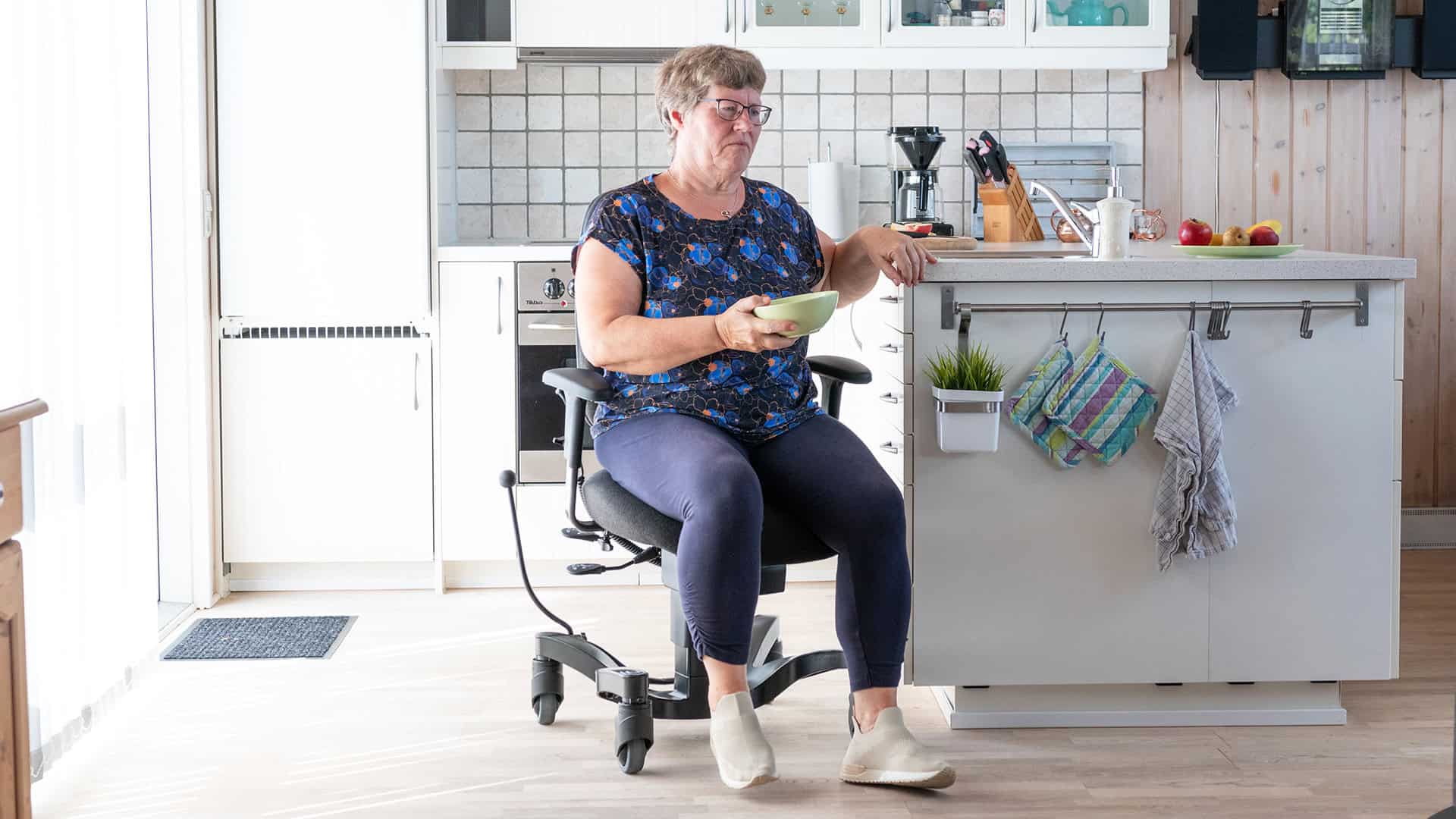
Transitioning to more adaptable living arrangements is a crucial consideration for many families. While nursing homes like Kimwell offer structured care, alternative solutions can help older adults remain independent at home. One such option is the VELA Independence Chair, a medically approved mobility chair. Designed for safe and comfortable use at home, it enhances the freedom of movement while seated and supports daily activities like cooking and dressing—all while easing the caregiving burden on family members.
For seniors striving to maintain independence at home, solutions like the VELA Independence Chair offer significant advantages. The chair’s features such as a central brake for safety, and electric height adjustability, allow for seamless movement and stability, crucial for daily tasks and fall prevention. With mobility features that can be found on resources discussing Fall Prevention in Elderly Care, it provides both dignity and energy-saving benefits enhancing everyday life. For many, such chairs delay the need for nursing home care, allowing seniors to enjoy freedom and safety within familiar environments. While nursing homes are essential for some, VELA and similar solutions provide a proven avenue to enhance quality of life and alleviate strain on caregivers, promoting autonomy and continued home living.