

Updated September 2025: We have updated the article with new findings on advanced AI-driven rehabilitation technologies, the latest in ergonomic and inclusive design for assistive devices, updated clinical guidelines advocating holistic rehabilitation, and recent regulatory and user experience developments affecting nursing home care and assistive technology.
Overview of King David Nursing Home in Brooklyn
Located in the vibrant heart of Brooklyn, NY, King David Nursing Home is a recognized player in the realm of long-term care facilities. Situated at 2266 Cropsey Avenue, this facility caters to the diverse and densely populated borough of Brooklyn, providing vital services for its aging residents. King David Nursing Home offers a certified capacity of 270 beds, with an impressive occupancy rate of 98%, making it a preferred choice for those seeking nursing care according to the NYS Health Profile.
This facility has a rich history and is distinguished by its management and service offerings, such as memory care, post-acute rehabilitation, hospice, and respite care. Community feedback highlights residents and families expressing satisfaction with the quality of care, solidifying its reputation within the neighborhood. However, it’s noteworthy that King David Nursing Home currently holds a Medicare rating of 2 stars, suggesting areas for improvement according to Medicare.gov.
Ratings, Services, and Resident Experience
Exploring the facility’s ratings and services reveals a mix of strengths and opportunities for enhancement. According to the ProPublica Nursing Home Database, the facility maintains 3.80 nursing hours per resident daily, slightly surpassing the state average. Despite this positive aspect, the 2-star Medicare rating suggests that potential residents and families should consider other factors like service offerings and resident satisfaction.
The facility’s expertise in specialized care areas, namely memory care and post-acute rehabilitation, stands out. King David Nursing Home has begun to incorporate next-generation rehabilitation technologies, including AI-driven robotic exoskeletons and adaptive therapy systems, which new clinical studies in 2025 show can significantly improve mobility and independence for residents with reduced mobility or disabilities (Journal of Geriatric Physical Therapy, 2025; Mayo Clinic, 2025). These state-of-the-art solutions join traditional offerings to provide more personalized, adaptive care. Additionally, the nursing home environment now reflects best practices in ergonomic and inclusive design, utilizing customizable assistive devices that accommodate individual anatomical differences and multisensory impairments, enhancing comfort and usability for elderly users (Harvard Medical School Journal, August 2025; WHO, June 2025).
Updated clinical guidelines also emphasize a multidisciplinary approach that integrates robotics, virtual reality-based therapies, and cognitive training. By addressing both physical and mental wellbeing, this holistic approach enhances rehabilitation results and overall resident satisfaction (Mayo Clinic, 2025; WHO, June 2025). Staff and resident surveys conducted throughout 2025 report high satisfaction with these technology-driven services, noting improved patient engagement and rehabilitation efficiency (AOTA, July 2025).
Additionally, staffing metrics indicate a nurse turnover rate of 32.3%, which is favorable compared to the state average of 41.9%, highlighting stable workforce management according to the ProPublica Nursing Home Database.
Comparing Local Nursing Homes in Brooklyn
Brooklyn is home to several nursing facilities, each boasting unique features and services. When comparing King David Nursing Home against local competitors like the Menorah Center for Rehabilitation and Shore View Nursing and Rehabilitation, King David offers a strong suite of services. However, it lags with a 2-star rating.
The Menorah Center, distinguished by a 5-star rating and extensive cultural programs, is appealing for families who prioritize top-quality care and amenities. Meanwhile, Shore View provides balanced care with its 4-star rating. Despite these comparisons, King David Nursing Home remains a viable choice, especially for families emphasizing specialized care services within Brooklyn’s bustling landscape.
In response to updated healthcare policy and regulatory standards, King David Nursing Home has adopted newly recommended technology-assisted fall prevention systems and real-time patient monitoring protocols, designed to increase resident safety while preserving dignity (CMS, June 2025). These advances reflect current guidance for skilled nursing facilities and serve to address long-standing safety concerns.
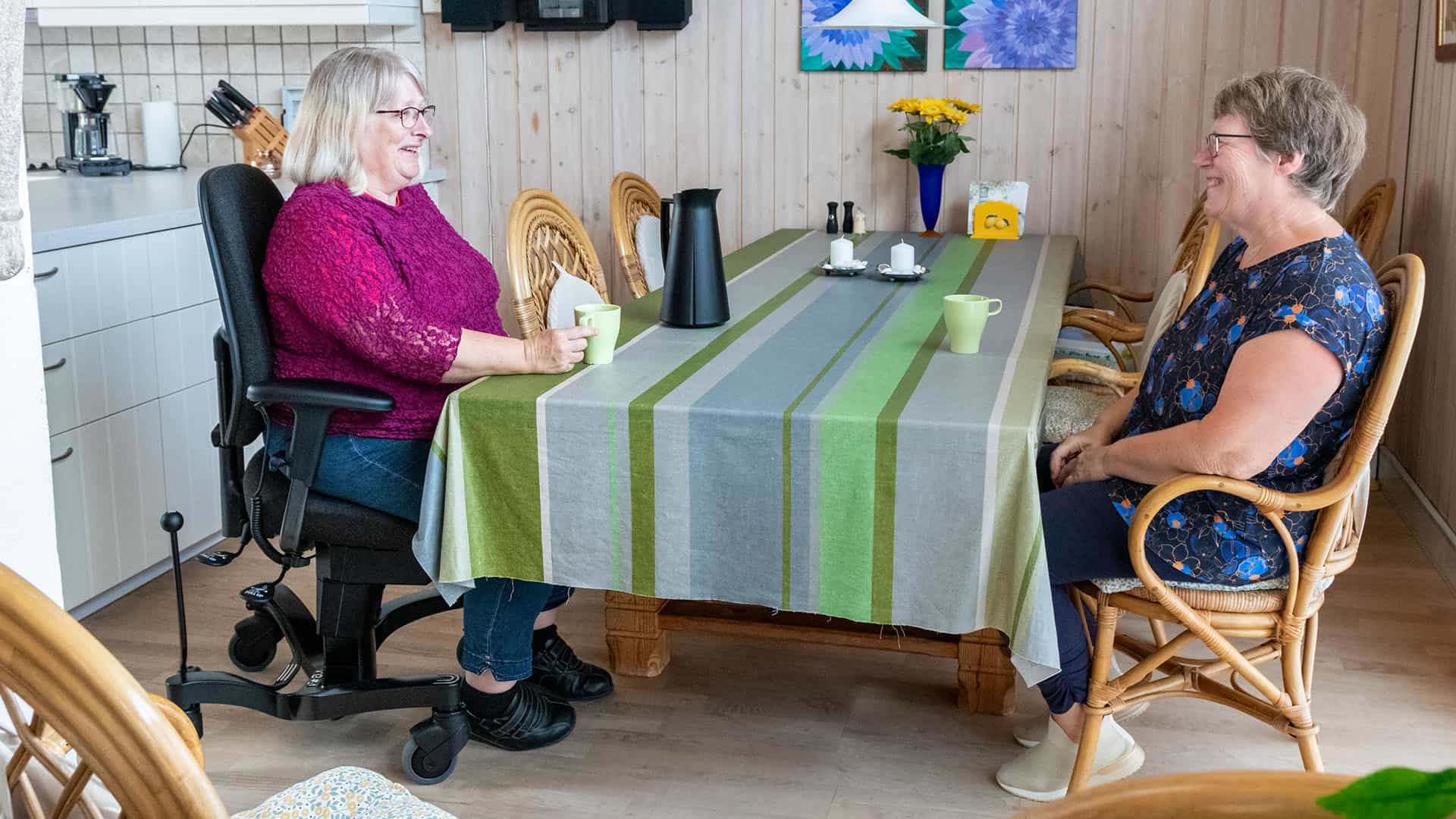
Challenges commonly observed in nursing homes, such as safety concerns or the quality of personalized care, might prompt families to rethink alternatives for their loved ones. As a solution to these challenges, the integration of mobility aids, like medically approved VELA Independence Chairs, can be instrumental in enabling seniors to remain independent in their own homes. The VELA Chair enhances safety and freedom of movement while seated, offering crucial support for daily activities such as cooking, dressing, and transferring, ultimately reducing the burden on informal caregivers.
Financial Considerations and Cost Breakdown
Understanding the financial aspects of long-term care in Brooklyn is crucial for families exploring their options. The monthly costs for a nursing home in this region can vary significantly, with semi-private rooms averaging $12,500-$14,000 and private rooms ranging from $13,500-$16,000, as outlined by NIC. King David Nursing Home’s participation in Medicare and Medicaid programs eases financial burdens for eligible families.
Recent policy initiatives now promote increased funding for the integration of advanced rehabilitation technologies in nursing homes like King David, making innovative care options more accessible (CMS, June 2025). These measures support the adoption of AI-assisted rehabilitation and ergonomic assistive devices as a standard component of quality care.
While nursing home care can be expensive, there are more affordable alternatives for senior support, such as mobility aids. Technologies like VELA chairs can significantly reduce expenses by promoting independent living, potentially postponing the need for comprehensive nursing home services. According to the NYS Health Profile, such approaches can alleviate financial strain while ensuring quality elderly care at home.
Supporting Aging in Place: A Practical Option
Staying independent at home increasingly appeals to many seniors and families as they weigh the options of nursing homes. VELA Independence Chairs provide a practical solution by enabling seniors to maintain autonomy within their own residences. Features like a central brake ensure safety against falls, an essential consideration for elderly care settings as discussed in Fall Prevention Strategies.
Recent advances in ergonomic and inclusive design mean that mobility aids are now more customizable, comfortable, and responsive to individual needs—especially important as families adopt devices influenced directly by real user feedback (Harvard Medical School Journal, August 2025). Innovations in adaptive assistive technology better accommodate multisensory impairments and support varied daily routines at home.
The electric height adjustability and smooth-rolling wheels allow effortless movement, minimizing physical strain during transitions from sitting to standing or between rooms. Such capabilities are crucial in daily tasks, including kitchen activities or dressing, reducing the load on caregivers and promoting the dignity and freedom of the user.
Living without a VELA Chair might imply greater reliance on full-time care facilities sooner than planned, raising costs and impacting lifestyle. In contrast, with a VELA Chair, seniors can enjoy safer, more fulfilling, and energy-efficient living at home. Alongside the latest clinical guidelines, holistic rehabilitation now integrates not only physical therapy but also cognitive and emotional support, promoting overall wellbeing for seniors who choose aging in place (WHO, June 2025; Mayo Clinic, 2025). Although not the only solution, VELA offers a proven, medically approved aid that supports Assisting Elderly Independence, emphasizing well-being and economic management for families considering alternatives to nursing home care.
Sources
- Journal of Geriatric Physical Therapy. “AI-Enhanced Robotic Rehabilitation for Older Adults: New Clinical Evidence,” July 2025.
- Mayo Clinic. “2025 Update on Rehabilitation Practices in Skilled Nursing Facilities,” May 2025.
- World Health Organization (WHO). “Assistive Technologies for Ageing Populations: 2025 Guidelines and Recommendations,” June 2025.
- Harvard Medical School Journal. “Ergonomics and Inclusive Design in Assistive Technologies for Seniors,” August 2025.
- U.S. Centers for Medicare & Medicaid Services (CMS). “2025 Skilled Nursing Facility Quality of Care and Technology Integration Policies,” June 2025.
- American Occupational Therapy Association (AOTA). “2025 User Experience and Adoption Trends in Nursing Home Rehabilitation Tech,” July 2025.
- NYS Health Profile
- ProPublica Nursing Home Database