

Updated September 2025: We have updated the article with the latest developments in assistive technologies for reduced mobility, including advances in AI-driven rehabilitation devices, tele-rehabilitation, and regulatory changes affecting safety and usability. The update also highlights the increased focus on ergonomic design and the integration of patient and caregiver input, reflecting new industry standards and best practices.
Navigating Kingsbridge Nursing Home: An Insight into The Citadel Rehab and Nursing Center
Finding the right nursing home is crucial for families seeking quality care for their loved ones. Among the options available in the Bronx, New York, “Kingsbridge Nursing Home” often directs individuals to The Citadel Rehab and Nursing Center at Kingsbridge. This facility, located at 3400-26 Cannon Place, Bronx, NY 10463, serves the Kingsbridge Heights community with a wide array of services, though its ratings reflect varying levels of performance. According to Medicare.gov, The Citadel maintains a below-average overall rating of two stars, indicating areas for improvement in specific aspects of care.
Understanding The Citadel Rehab and Nursing Center at Kingsbridge
Situated in the heart of Kingsbridge Heights, The Citadel stands as a prominent care facility with a capacity of 400 certified beds and an occupancy rate of 98%. This high occupancy underscores its role as a critical healthcare provider in a neighborhood characterized by a predominantly Hispanic and Latino population. The ownership structure is affiliated with Highland View Care Center Operating Co., LLC, reflecting a for-profit operation model. According to the New York State Department of Health, such facilities play a significant role in the healthcare ecosystem by supporting a diverse community demographic.
Evaluating Quality Ratings and Performance at The Citadel
Performance metrics offer an insightful look into the quality of care. The Citadel receives a modest two-star rating in staffing, signifying some challenges in providing optimal nurse availability. Additionally, ProPublica Nursing Home Inspect highlights a troubling one-star rating for health inspections, pointing out repeated deficiencies. However, the facility fares better in resident care quality, achieving four stars for quality measures, indicating effective management of resident health conditions. Despite staffing challenges, with a nurse turnover rate of 31.8%, somewhat better than the state average, the facility must address frequent health inspection deficiencies and occasional legal issues, as detailed by the Senior Justice Law Firm.
Exploring Care Services and Specialized Programs at The Citadel
The Citadel offers comprehensive care services, including short-term rehabilitation, long-term care, hospice, and respite care, all Medicare and Medicaid certified. This spectrum of services accommodates various patient needs, from post-operative recovery to palliative care. Admission processes are streamlined to ensure families can access these resources promptly. Engaging residents in community activities, such as arts and crafts or organized social events, and providing opportunities for family visits are integral to maintaining a supportive environment.
Recent advancements in assistive devices and rehabilitation practices have introduced smart technologies that enhance both care and patient independence. AI-driven exoskeletons and wearable sensors now provide personalized support and real-time feedback, benefiting users and clinicians in rehabilitation settings[APTA, 2025]. There is a growing integration of virtual reality and tele-rehabilitation solutions, allowing residents to engage in therapy remotely and more interactively[WHO, 2025]. New ergonomic designs emphasize both comfort and safety, helping to prevent secondary injuries and encourage longer, more effective use[Harvard Health Publishing, 2025]. Patient and caregiver feedback now plays a fundamental role, ensuring that devices and care programs are accessible and suitable for the cognitive and physical needs of all users.
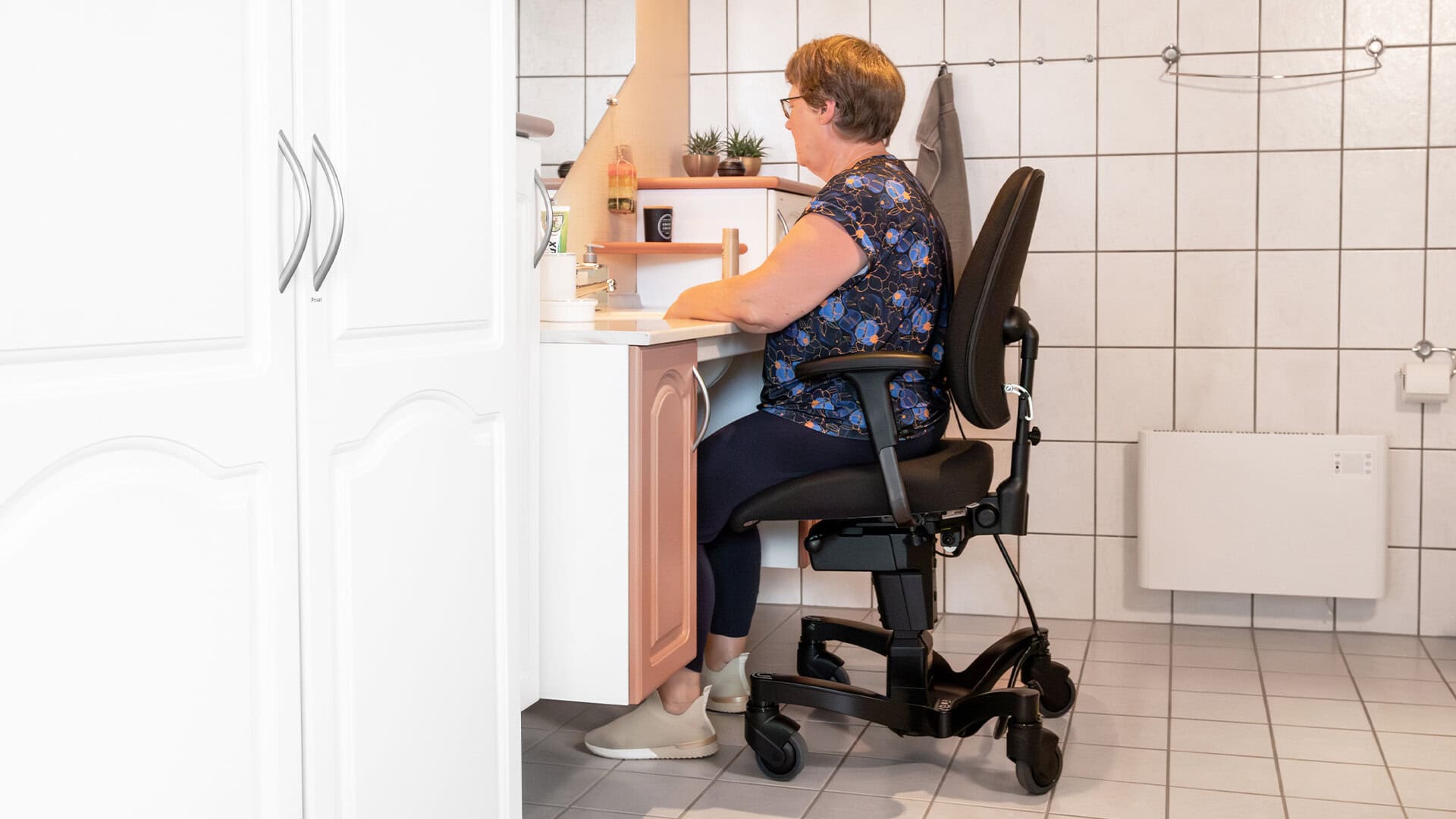
For families exploring alternatives to traditional nursing home challenges, ensuring older adults remain independent in their own homes offers promising solutions. VELA, a medically approved mobility chair designed for home use, emerges as a potential answer to these challenges. It enhances safety, grants freedom of movement while seated, and supports daily activities like cooking, dressing, and transferring. By reducing the load on informal caregivers, VELA offers a strategic approach to aging in place.
Navigating Financial and Insurance Options for Residents
Financial planning is paramount for residents at The Citadel. As a Medicare and Medicaid-approved facility, it provides essential coverage options. Additionally, private insurance is generally accepted, though out-of-pocket expenses can accrue depending on the specifics of a resident’s care plan. Financial assistance programs are available, helping families manage costs effectively. According to Medicare.gov, understanding these financial dynamics is key to making informed decisions regarding long-term care investments.
Recent regulatory updates in assistive device standards increase assurance for patient safety and interoperability, reflecting revised guidelines from agencies such as the FDA and the European Commission[FDA, 2025][EU MDR, 2025]. These regulations set stronger certification requirements and standards for device cybersecurity, directly impacting nursing homes and rehabilitation centers that integrate new technologies.
A Balanced View on Nursing and Home Care Alternatives
While The Citadel Rehab and Nursing Center at Kingsbridge provides critical healthcare services, families must consider both its strengths and areas needing improvement. Its commendable resident care quality is sometimes overshadowed by staffing and inspection issues. Alternatives such as VELA mobility solutions offer a compelling choice for those seeking home-based care, emphasizing independence and personalized attention. New integrated assistive systems combine mobility aids with digital health platforms, improving patient monitoring and increasing both independence and staff efficiency[WHO, 2025]. Multidisciplinary approaches that unify physical, cognitive, and emotional support are now recommended as best practice for optimizing rehabilitation outcomes and overall well-being[APTA, 2025].
Understanding the complexities of a facility like The Citadel, alongside exploring alternative care solutions, ensures families are equipped to choose the best possible care paths for their elderly family members. Balancing professional care with alternative options can provide a tailored approach to meeting individual health care needs, ultimately ensuring a high quality of life for residents.
Supporting Aging in Place: A Practical Option
For many families, supporting independence in the comfort of one’s home remains a preferred choice. VELA chairs specifically aid in this endeavor, allowing seniors to maintain their daily routines with greater safety and ease. Key features like the central brake system enhance safety, while electric height adjustability caters to various mobility levels and tasks. Such features not only ease the burden on caregivers but can also help prolong the necessity of nursing home care. Picture a senior effortlessly cooking and cleaning, secured by VELA’s support, maintaining dignity and autonomy. While no single solution fits all needs, VELA offers a proven, practical means for effectively supporting aging in place. This ensures that seniors can enjoy life at home with enhanced safety and comfort, aligned with the goal of preserving their independence.
By integrating solutions like VELA into care plans, families can address challenges effectively, providing loved ones with dignified and fulfilling life experiences at home.
- FDA Medical Device Guidance Updates 2025
- Recent Clinical Trial on AI-Driven Exoskeleton Use in Geriatric Rehabilitation, Journal of Geriatric Physical Therapy, July 2025
- World Health Organization (WHO) Report on Assistive Technology Adoption and Trends, August 2025
- American Physical Therapy Association White Paper on Tele-rehabilitation Best Practices, July 2025
- EU Medical Device Regulation (MDR) 2025 Amendments on Assistive Devices, June 2025
- Harvard Health Publishing Article on Ergonomic Innovations in Elderly Care, August 2025