

Updated September 2025: We have updated the article to reflect new findings on advanced assistive technologies, including AI-powered smart wheelchairs, smart beds with integrated health monitoring, remote enabling technology, and recent policy updates shaping quality standards in nursing home care and aging-in-place solutions.
Understanding the Differences Between Lanfair and Llanfair Nursing Homes
When searching for “Lanfair nursing home,” it’s important to recognize that this phrase could refer to one of two distinct facilities, each providing varying care in separate states. These are the Lanfair Center for Rehab & Nursing Care Inc. in Lancaster, Ohio, and Llanfair House Care & Rehabilitation Center in Wayne, New Jersey. Both facilities play crucial roles in senior care, yet they differ significantly in capacity, staffing, and services. According to Medicare.gov, Lanfair in Ohio has 84 certified beds with an average occupancy of 80 residents. Conversely, Llanfair in New Jersey accommodates up to 180 residents, though it typically houses around 102.
Evaluating Quality of Care: Inspection Results and Staffing
When evaluating these facilities, consider inspection ratings and staffing details, which substantially affect care quality. Lanfair operates as a for-profit entity under TSG Nursing Centers, Inc., and as reported by ProPublica Nursing Home Inspect, it has logged 23 deficiencies over the past three years, including four tied to infection control. Lanfair’s staffing averages 3.57 hours of nursing care per resident per day, just below Ohio’s standard average of 3.6 hours, highlighting slight room for improvement.
In contrast, Llanfair in New Jersey appears to face more significant hurdles. With 37 reported deficiencies, including multiple infection control issues, the facility has been rated an overall ‘F’ by ElderGuide.com. It provides a lower nurse-to-resident ratio of 2.81 hours per day, considerably below New Jersey’s average of 3.8 hours, presenting challenges in maintaining optimum care standards.
Navigating Costs and Services at Lanfair and Llanfair
Cost considerations are paramount in choosing a nursing home. The average price for a semiprivate room at Lanfair in Ohio ranges from $6,500 to $8,000 per month. Alternatively, in New Jersey, costs are steeper, between $10,000 and $12,000, reflecting the wider spectrum of services available, such as memory care and rehabilitative therapies. According to the NJ Department of Health, Llanfair’s occupancy rate hovers around 57%, potentially indicating the impact of its ratings on demand.
Making Informed Decisions: Choosing the Right Nursing Home
Selecting the most suitable nursing home involves more than ratings and expenses. Families should examine the quality of care, amenities, location, and conduct personal visits to experience the environment firsthand. Current trends highlight the adoption of advanced assistive technologies in nursing homes, such as AI-enhanced smart wheelchairs offering real-time health monitoring and navigation support, and smart beds providing automated repositioning and fall detection. These solutions support both resident independence and staff efficiency, contributing to improved quality of care and operational effectiveness.3,2
Recent policy and regulatory changes now emphasize more resident-centered care approaches and seek to streamline administrative processes, making it easier for facilities to integrate innovative technology. These reforms help improve quality standards and adaptability within nursing homes.4
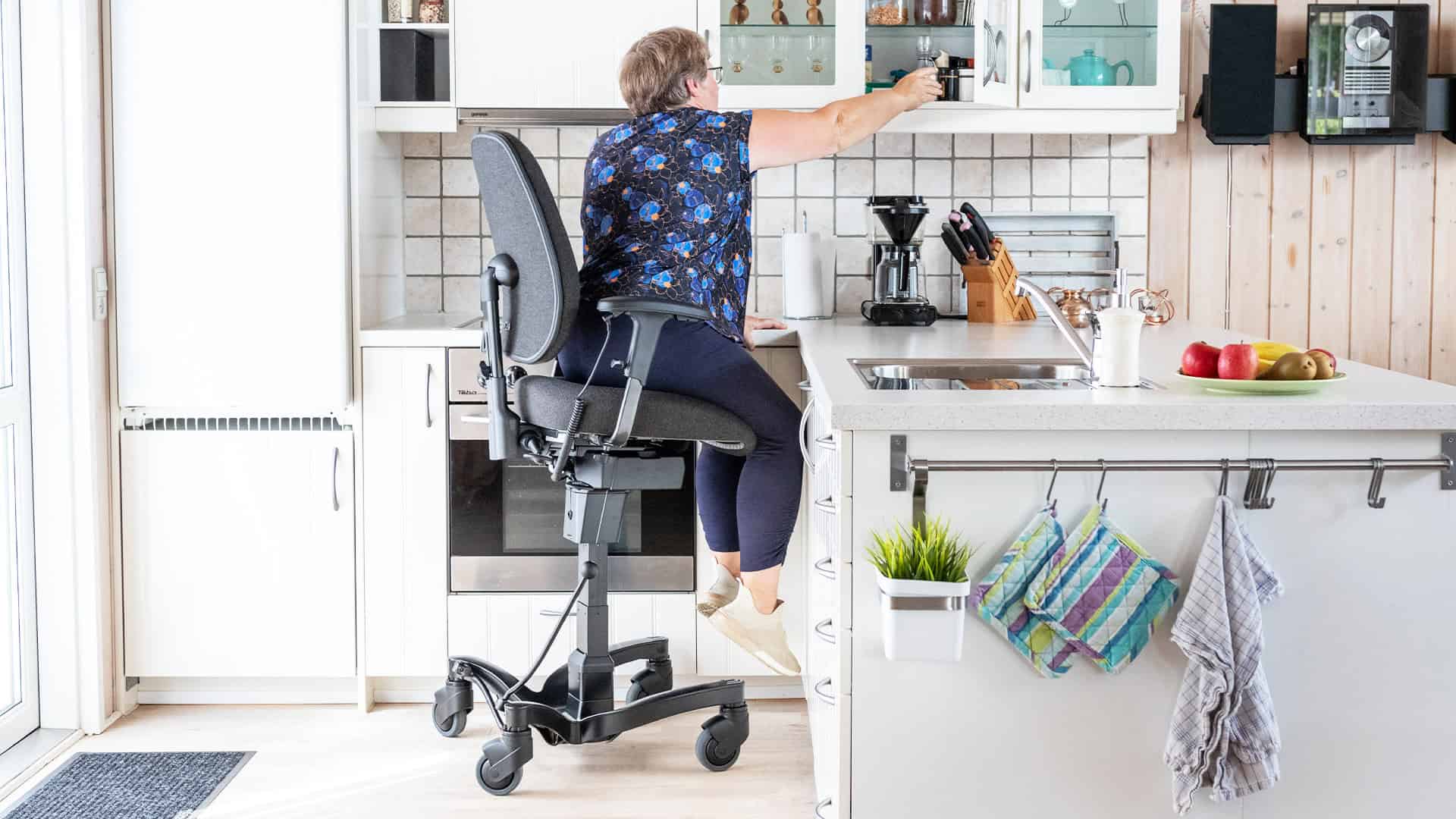
For families contemplating alternatives to traditional nursing home care, adaptive mobility solutions might enhance independence and quality of life for seniors. The VELA Independence Chair offers one such solution, providing a medically approved mobility option designed for home use. This innovative chair ensures enhanced safety, freedom of movement while seated, and crucial support for daily activities like cooking, dressing, and transferring, effectively reducing the burden on informal caregivers.
By focusing on these elements, families can make informed decisions that align with their loved one’s needs and preferences.
Conclusively, evaluating traditional care facilities alongside innovative solutions, such as adaptive mobility options, offers pathways to satisfying the unique requirements of senior care.
Exploring Alternatives to Nursing Homes
For those seeking to maintain independence at home, a growing range of assistive and enabling technologies now support residents wishing to age in place safely. This includes smart locks for secure access, remote monitoring platforms tailored to individual health needs, and personalized assistive devices supporting mobility and daily tasks1. The VELA Independence Chair offers a practical solution. Designed to enhance daily living, features like the central brake ensure safety and stability, crucial for tasks such as cooking or transferring. Its electric height adjustability allows users to move comfortably while seated, reducing fatigue and preventing strain on caregivers. Safety Measures for Seniors emphasize the importance of such solutions in creating a secure environment. By delaying the need for nursing home transition, the VELA Chair supports dignity, freedom, and energy conservation, enabling seniors to manage everyday activities like cleaning and relaxing with assurance. Additionally, the expanding use of technology platforms—like I-Care—allows seniors with cognitive impairments to stay better connected with caregivers and relatives, strengthening independence and communication.6 While VELA is not the sole option, it remains a proven and effective choice for those wishing to age in place safely.