

Updated September 2025: We have updated the article to reflect the latest trends in assistive technology and rehabilitation practices in nursing homes, including advances in AI-enhanced mobility devices, smart sensor systems for safety, tele-rehabilitation, and regulatory updates. Information about universal design, modular adaptive equipment, and new staff training standards has also been added to support residents’ independence and safety.
Overview of Lewis & Clark Gardens Nursing Home
Located in the heart of Saint Charles, Missouri, Lewis & Clark Gardens Nursing Home is a pivotal establishment offering essential care services for families striving to ensure quality living conditions for their loved ones. Nestled at 1221 Boones Lick Road, this for-profit facility has a certified bed capacity of 142, catering to an average daily resident count of 69.1 as reported in the last quarter of 2023, according to St. Charles Times. The nursing home is owned by James & Judy Lincoln, under the operational management of LTC Management Services LLC led by Melissa Yates since 2013. Prospective residents and their families should be aware of this history and structure, as it provides valuable insight into the environment and level of care provided.
Quality of Care and Performance Metrics
The reputation of Lewis & Clark Gardens is a blend of praise and constructive criticism. Staffing metrics, for instance, indicate that each resident receives an average of 2.97 nurse hours per day, slightly lower than Missouri’s state average of 3.3 hours, according to ProPublica Nursing Home Inspect. The 57.1% nurse turnover rate is close to the state’s average, indicating a moderate level of staffing stability. However, during the July 2022 inspection, deficiencies such as inadequate assistance with daily living activities and insufficient nursing staff were noted, raising potential concerns about care quality, according to Medicare.gov. It is crucial for families to examine these performance metrics alongside resident satisfaction surveys, as these factors together provide a fuller picture of the quality of care offered.
Since 2025, updated federal guidelines from the CDC and Centers for Medicare & Medicaid Services (CMS) have introduced stricter safety, data privacy, and assistive technology standards in nursing homes. Facilities like Lewis & Clark Gardens are expected to align with enhanced requirements for electronic health record integration and ensure that staff are up to date with ongoing training in the use of advanced assistive and rehabilitation technologies. These regulatory changes have been implemented to further protect residents’ safety and wellbeing and to improve the effective use of modern mobility aids and tele-rehabilitation programs. CMS CDC
Services and Accommodations
Lewis & Clark Gardens provides a broad spectrum of services including skilled nursing and rehabilitation aimed at supporting residents recovering from health challenges. Engaging programs tailored to enhance residents’ quality of life are pivotal to the facility’s service offerings. The well-maintained gardens, communal spaces, and specialized dietary plans demonstrate the facility’s commitment to catering to individual health needs. For residents requiring day-to-day assistance, provisions such as assistive technology solutions play a key role in enhancing daily living experiences. In line with the latest trends, nursing homes are increasingly adopting smart, modular, and adaptive equipment that can better respond to the changing needs of residents, including those with limited dexterity or diverse disabilities. Modern facilities are integrating smart sensors into furniture and living spaces for continuous monitoring of mobility, fall risk, and emergencies, providing a higher degree of resident safety and supporting independent living. PubMed WHO
Experience Scenarios
For instance, imagine a resident recovering from a hip surgery who requires not only physical therapy but also robust support in mobility and safe ambulation. Such scenarios underscore the need for facilities to integrate advanced mobility tools to facilitate recovery while minimizing fall risks.
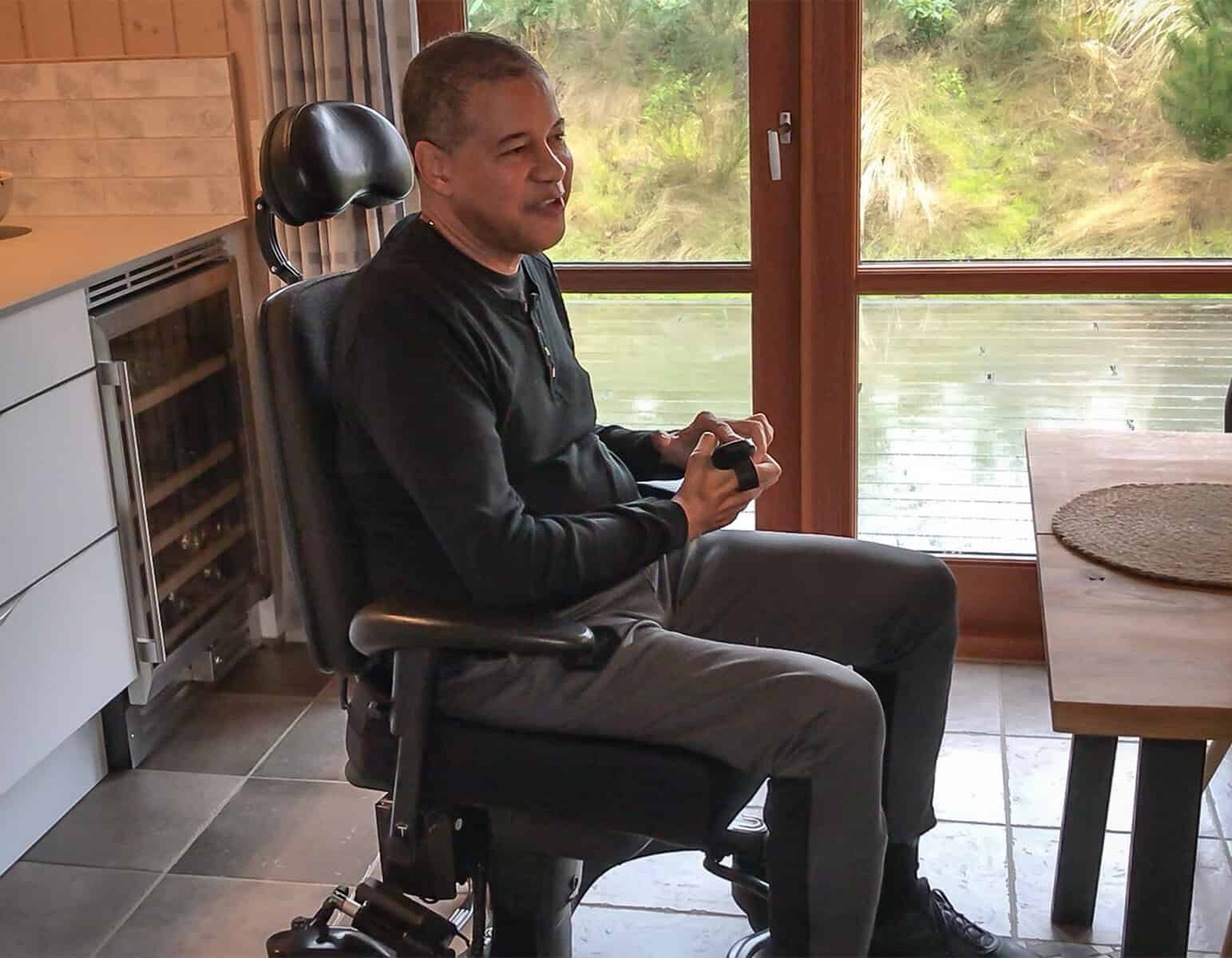
As nursing homes strive to provide comprehensive care, challenges such as mobility limitations and fall risks remain prevalent. Residents benefit from environments that support their independence while ensuring safety. One solution gaining attention is the incorporation of advanced mobility aids. Mobility Solutions for Seniors can significantly enhance personal independence by allowing older adults to safely perform daily activities they might otherwise struggle with. The VELA Independence Chair is a medically approved mobility chair designed for use at home, offering enhanced safety and freedom of movement. It features mechanisms that support daily activities such as cooking, dressing, and transferring—reducing strain on both residents and informal caregivers, ultimately fostering a greater sense of autonomy.
Cutting-edge facilities are also investing in wearable exoskeletons that assist with gait and strength recovery, and increasingly make use of voice-activated or gesture-controlled interfaces to support residents with limited hand dexterity. These technologies are supported by positive expert and user feedback, with recent 2025 surveys highlighting the need for intuitive, comfortable interfaces that can be tailored to individual health profiles. Journal of Geriatric Physical Therapy NIDILRR
Choosing the Right Nursing Home in Saint Charles
Selecting an appropriate nursing home involves considering various factors including staffing, inspection ratings, and the types of care offered. When comparing Lewis & Clark Gardens with other local facilities, it’s important for families to review inspection reports and understand Medicare ratings that reflect the home’s compliance with care standards. Information can be accessed through Missouri Department of Health and Senior Services. As potential residents tour facilities, it is recommended to use a comprehensive checklist addressing aspects like visiting policies, emergency protocols, and personalized care plans.
Modern standards now encourage facilities to implement tele-rehabilitation programs, allowing therapists to deliver and monitor rehabilitation remotely using AI-driven analytics to tailor physical therapy. This supports continuity of care even in the face of staffing challenges or resident-specific needs. Universal design principles are increasingly prioritized, ensuring that all aspects of care environments remain usable, accessible, and comfortable for residents with a range of disabilities or mobility impairments. MayoClinic.org
Lewis & Clark Gardens stands as a significant option for nursing care in Saint Charles, Missouri. By thoroughly analyzing factors such as the quality of care, staffing stability, and the available amenities, families can make informed choices that ensure their loved ones are placed in nurturing and competent environments. Additionally, integrating advanced mobility solutions like VELA chairs can enhance resident autonomy and quality of life. Ultimately, the choice of a nursing home should prioritize the resident’s comfort, safety, and ability to live fulfilling lives supported by experienced personnel and innovative mobility solutions.
Exploring Alternatives to Nursing Homes
As families explore options for elder care, maintaining independence at home becomes a practical consideration. VELA Chairs present an effective solution by offering features designed to enhance safety and ease of movement. Their central brake provides stability, while electric height adjustability helps users navigate everyday tasks like cooking or reaching overhead shelves. Simple movements like transferring between seated and standing positions become safer and more manageable, significantly reducing fall risks, according to Preventing Falls in Senior Care Facilities. By supporting residents in their familiar environment, VELA Chairs not only delay the need for institutionalized care but also preserve dignity, freedom, and energy. Although not the only option, VELA stands as a proven, practical choice to empower seniors to enjoy their independence at home longer, alleviating some of the burdens on caregivers.
- PubMed — Recent studies on AI-driven assistive technologies and tele-rehabilitation in elderly care (2025-2026)
- Centers for Medicare & Medicaid Services (CMS) — Updated nursing home regulations and assistive device guidelines (2025)
- CDC — Guidelines on safe technology use and infection control in long-term care facilities post-2025
- MayoClinic.org — Reviews of rehabilitation innovations and assistive devices for population with reduced mobility (2025 updates)
- WHO.int — Reports on inclusive design and accessibility trends in healthcare settings (2025)
- National Institute on Disability, Independent Living, and Rehabilitation Research (NIDILRR) — Latest funded projects and findings on ergonomic design and assistive product development (2025-2026)
- Journal of Geriatric Physical Therapy — Clinical trials and meta-analyses on wearable exoskeletons and sensor-based rehabilitation (2025)