

Updated September 2025: We have updated the article with new insights on recent advancements in assistive technologies—including AI-powered devices, brain-controlled prosthetics, and robotic mobility aids—that can improve independence and delay nursing home placement for life tenants. The article now also reflects current Medicaid planning policies, as well as expanded government programs improving access to affordable assistive equipment.
Transitioning a Life Tenant to a Nursing Home: Navigating Legal, Financial, and Emotional Challenges
Transitioning a life tenant to a nursing home is a multifaceted process, often fraught with legal, financial, and emotional challenges. Understanding the complexities when a life tenant moves to a nursing home is crucial for making informed decisions and ensuring a smooth transition. According to Medicare.gov, the average cost of nursing homes comes in at $8,669 per month, reflecting a notable increase in Medicare payments by 4.2%, amounting to an extra $1.4 billion, as noted by the Centers for Medicare & Medicaid Services (CMS). Recognizing the implications for life estate arrangements is essential as this can significantly affect both the life tenant and the remaindermen involved.
Understanding the Legal and Financial Landscape for Life Tenants in Nursing Homes
A life estate grants an individual (the life tenant) rights to use a property for the duration of their life. This setup provides legal control, including gaining rental income but carries certain responsibilities (Tim Rice Elder Law). When selling a property, the proceeds are typically divided based on the life tenant’s age at the sale, necessitating clear agreements between all parties involved (SmartAsset). Real-life examples highlight these complexities; for instance, elder law case studies often detail disputes over these divisions and underscore the importance of legal counsel in crafting fair arrangements.
Navigating Rights and Responsibilities in Life Estates During Nursing Home Stays
Even during long-term care stays, life tenants maintain certain rights. They can receive income from renting out the property and maintain control over specific decisions. They are obligated to ensure property upkeep continues, a responsibility which may involve contracting maintenance services or designating a remainderman to assist (Eckman Elder Law, Avvo). Remaindermen, individuals who will inherit the property, must navigate the tenant’s absence understanding their rights only activate upon the life tenant’s passing or required property sale. Collaboration between the tenant and remaindermen is crucial to manage property effectively, preventing legal altercations and maintaining property value.
Medicaid Considerations for Life Tenants Transitioning to Nursing Homes
According to Eckman Elder Law, life estates impact Medicaid eligibility due to asset assessment rules and potential estate recovery actions. Understanding these implications can prevent unforeseen financial burdens. While life estate properties generally do not count towards Medicaid thresholds, the income generated might influence eligibility. Estate recovery can also demand repayment of Medicaid costs, necessitating strategic asset protection. Recent updates in some states have expanded exemptions to better protect life tenant property rights when entering nursing care. New Medicaid planning regulations refine look-back periods and clarify estate recovery, emphasizing the need for timely, specialized legal counsel (Hewitt Elder Law, Medicaid Planning Assistance).
Exploring Alternatives to Nursing Home Placement for Life Tenants
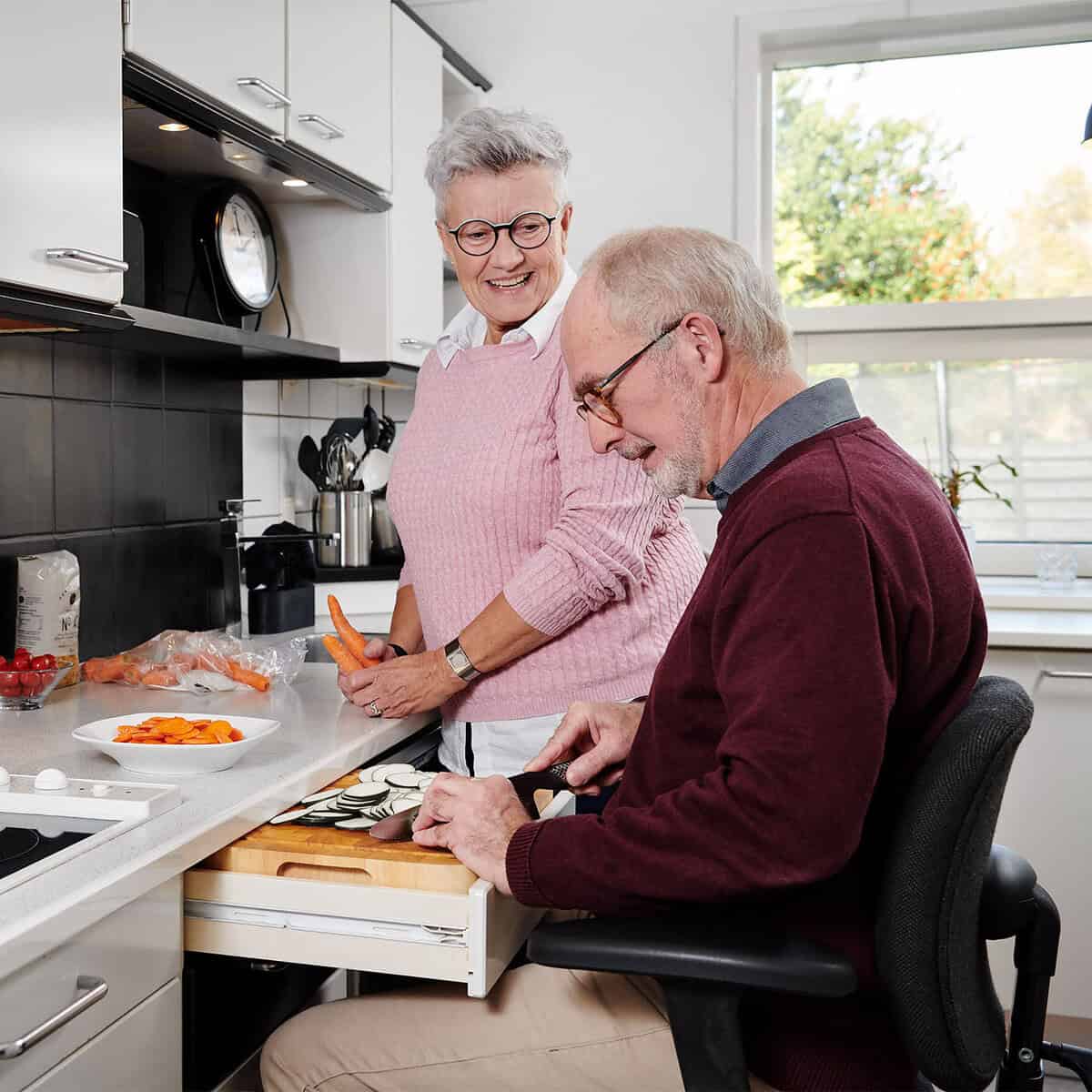
For many life tenants, remaining at home is preferable. Weighing nursing homes against home care options reveals that personal preferences, mobility, and health status should guide decisions (SmartAsset, NIC.org). Home care offers personalized support and can include modifications and mobility aids to enhance independence at home. In recent years, advances in assistive technology have enabled many life tenants to maintain their independence longer. New developments include AI-powered smart glasses for visual impairment, brain-controlled prosthetics offering more natural limb control, and robotic exoskeletons supporting mobility and rehabilitation (ThinkBeyondTheChair.org, EqualAccessibility.co, PubMed Central). Next-generation powered wheelchairs and improved ergonomic designs allow for safer, easier movement within the home. Government initiatives in several countries are increasing access to these devices, making them more affordable and available for elderly and disabled persons (NextMSC.com). Mobility aids, such as the Mobility Aids for Independence, offer significant support for those opting to remain at home. VELA, a medically approved mobility chair specifically designed for use within the home, enhances safety and freedom of movement while seated. It supports daily activities such as cooking, dressing, or transferring and reduces the physical burden on informal caregivers.
Supporting Aging in Place: A Practical Option
Maintaining independence at home can profoundly impact the quality of life for seniors, potentially delaying the need for a nursing home. Mobility solutions, like VELA Chairs, can significantly contribute to this by providing essential features such as a central brake for enhanced safety, electric height adjustability, and ease of movement while seated. These features address specific issues such as the risk of falls, lack of energy, and seamless transition assistance during daily tasks. In addition, the integration of new ergonomic and AI-driven technologies provides further personalization and ease of use, contributing to improved outcomes for users and reduced burden for caregivers (EqualAccessibility.co, ThinkBeyondTheChair.org). Seniors using such chairs may experience newfound dignity and freedom, making routine tasks like cooking and relaxing more manageable and less taxing. While VELA is not the only solution, it represents a proven and practical option for encouraging aging in place. By reducing caregiver burden and bolstering individual autonomy, these mobility aids can transform daily life, emphasizing safety, comfort, and self-sufficiency.