

Updated September 2025: We have updated the article with new findings on AI-powered assistive devices, smart mobility aids, remote health monitoring, and evolving regulations affecting LifeCare nursing homes. Expanded coverage now includes AI predictive analytics, telehealth platforms, smart wheelchairs, and TV-based cognitive support systems, reflecting the latest trends in senior care and assistive technology.
Understanding LifeCare Nursing Homes
Navigating the complex landscape of senior care can be challenging, especially when deciphering terms like “LifeCare nursing home.” These establishments not only represent a specific type of senior living option but can also be part of a brand. As Americans face an average monthly cost of $8,000 to $9,500 for nursing home care, understanding LifeCare contracts becomes crucial in making informed decisions regarding senior housing solutions. According to National Institute on Aging, nursing homes offer nursing care, 24-hour supervision, and daily meals—key components for those evaluating long-term care options.
What Are LifeCare Nursing Homes and How Do They Work?
LifeCare nursing homes represent a comprehensive approach to elder care, offering a continuum of services ranging from independent living to assisted living, skilled nursing, and specialized memory care. Unlike traditional nursing homes that may focus solely on skilled nursing, LifeCare facilities emphasize a holistic progression of care, adapting to residents’ changing needs. According to Life Care Services, these communities ensure that residents can transition through different care levels without relocating.
An illustrative example involves a resident beginning their journey in independent living, enjoying social activities and wellness programs. As the resident’s needs evolved, the resident seamlessly transitioned to assisted living when daily tasks required more support, and finally moved to memory care as cognitive needs changed. This flexibility facilitates aging in place, reducing stress associated with moving.
Advancements in Assistive Technology and Care Models
Recent innovations in LifeCare nursing homes include the integration of AI-powered assistive devices, smart home technologies, and remote health monitoring. Smart mobility aids—such as wheelchairs featuring GPS navigation, sensors for collision avoidance, and automated health status monitoring—are increasingly adopted, improving autonomy and safety for residents EverythingMedicalOnline. AI-driven predictive analytics are now being utilized to anticipate changes in residents’ health, enabling staff to provide proactive and personalized care and enhancing outcomes by identifying risks early ButterflyMX. Additionally, telehealth platforms and remote monitoring systems help deliver continuous healthcare and can reduce unnecessary hospital visits, making care more responsive and comprehensive Harvard Business Review Health Care.
The use of smart televisions and assistive AI assistants is rapidly evolving. For example, TV-based platforms are now leveraged for remote cognitive support in dementia care, expanding accessible support in resident rooms JMIR Rehabilitation and Assistive Technologies. These solutions provide faster and more intuitive user interaction, especially for individuals with disabilities or sensory impairments LetsEnvision. Experts highlight that while technology cannot replace human interaction, it can significantly improve care quality, efficiency, and resident engagement UnitedHealthcare Community & State.
Regulatory developments are also shaping adoption. Increasing emphasis on AI ethics, privacy, and security is leading skilled nursing homes to responsibly implement assistive technologies, addressing both safety and new compliance requirements Skilled Nursing News.
Exploring the Benefits of LifeCare Contracts
LifeCare contracts offer several benefits, paramount among them being financial predictability and comprehensive care coverage. Residents appreciate knowing that their care needs, from basic daily assistance to intensive nursing care, are covered under a single inclusive plan. This financial model not only alleviates the stress of rising costs but enhances life quality through community amenities like fitness centers, dining services, and social clubs. According to The Clare, families often convey how LifeCare communities provide peace of mind. For instance, one family described how their loved one thrived in a LifeCare community, actively participating in creative activities and maintaining social connections, while living securely with a fixed financial arrangement.
Navigating Costs and Quality Standards in Nursing Homes
Understanding the economics of nursing homes is essential. LifeCare contracts typically differ from traditional fee-for-service models, providing greater financial assurances. While Medicare and Medicaid assist with costs, they vary by state and depend on specific coverage limitations. The Centers for Medicare & Medicaid Services indicate trends such as increases in Medicare payments to skilled nursing facilities, impacting overall cost structures. Insight into quality ratings and government regulations ensures an informed choice; facilities are assessed on various metrics, including staffing levels and resident safety. Quality assessments also include unannounced inspections to maintain high standards.
How to Select the Best LifeCare Nursing Home for Your Needs
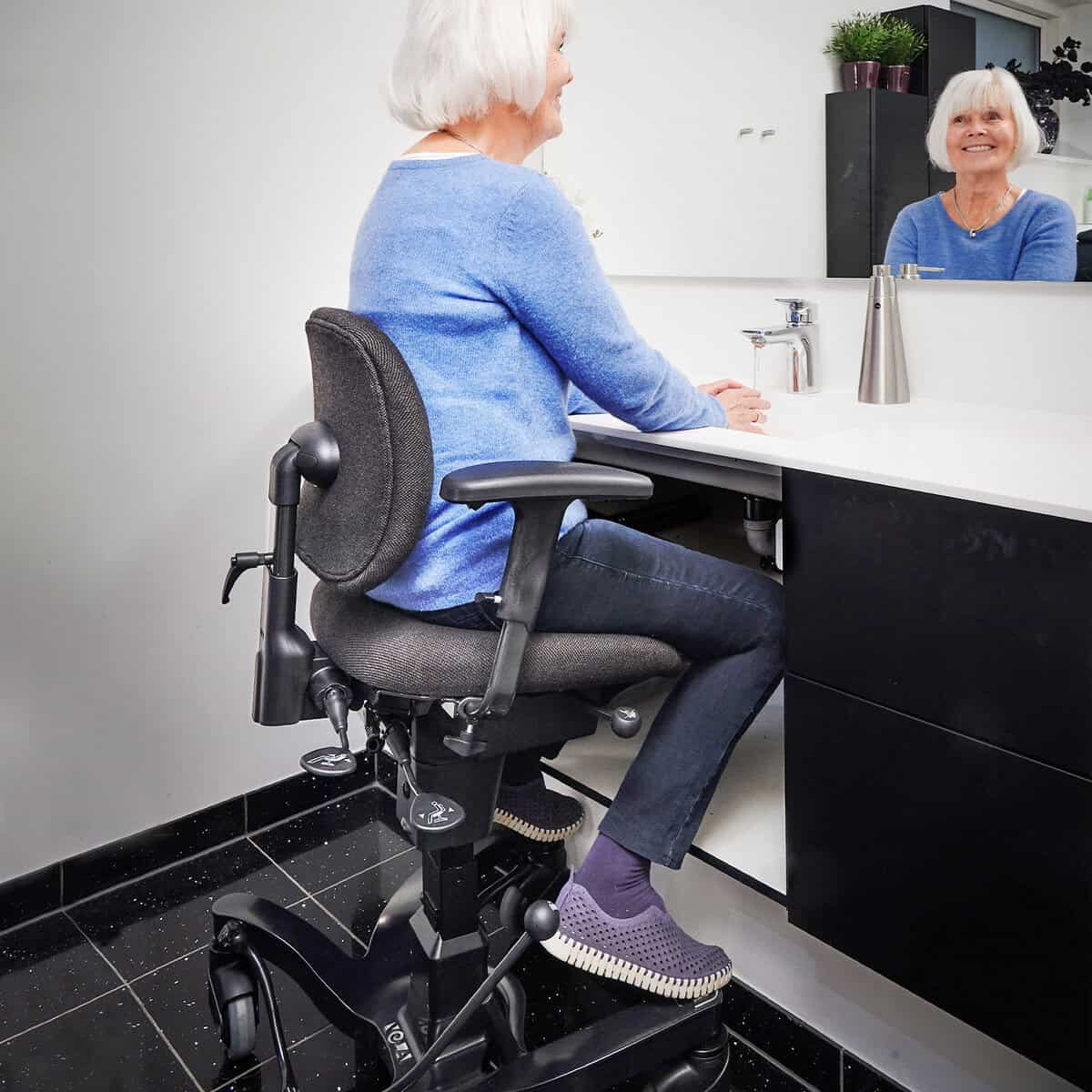
Choosing the right LifeCare nursing home involves evaluating multiple facets: staff qualifications, available amenities, facility location, and resident reviews. Visiting potential homes and engaging with staff are crucial steps. During these visits, ask pertinent questions about care practices, emergency procedures, and resident life. A checklist can guide families through these assessments, ensuring no detail is overlooked. According to Timber Ridge, evaluating amenities such as therapy services, wellness programs, and specialized care options is crucial. When evaluating amenities, consider the availability of assistive equipment such as VELA chairs, which can provide added comfort and security for both residents and caregivers.
Recognizing the inherent challenges nursing homes face—such as maintaining resident independence and managing caregiver burdens—one can explore additional solutions that promote staying active and self-reliant in familiar settings. The VELA Independence Chair is a medically approved mobility chair designed for home use. It enhances safety and provides freedom of movement while seated, supporting daily activities like cooking and dressing, and easing the load on informal caregivers by facilitating transfers.
Exploring Alternatives to Nursing Homes
The VELA Chair serves as an effective mobility solution for seniors striving to maintain independence at home. Its features tackle common issues like safety, energy preservation, and the need for assistance in daily routines. Equipped with a central brake for support, electric height adjustability for ease of transfers, and smooth motion while seated, the chair significantly reduces fall risk and conserves energy. These attributes not only delay the necessity for a nursing home but also enhance quality of life by fostering safety, dignity, and freedom in everyday activities like cooking or relaxing. While VELA is just one among many solutions available, it offers a proven, practical approach to supporting aging in place, creating a more sustainable caregiving environment without the immediate need for residential care. Supporting Independence is crucial, and the VELA Chair exemplifies how thoughtful design can lessen caregiver burdens while promoting autonomy.
References
- Synchrony Financial (2025). The Future of Home Health Care: Trends to Watch in 2025.
- ButterflyMX (2025). Senior Living Technology Trends 2025.
- Harvard Business Review Health Care (2025). The Future of Senior Living: Trends to Watch in 2025.
- EverythingMedicalOnline (2025). The Latest Trends in Mobility Aid Technology for 2025.
- UnitedHealthcare Community & State (2025). How enabling technology is transforming home-based care.
- LetsEnvision (2025). What’s Next for 2025: The Future of Assistive Technology & AI Assistants.
- Skilled Nursing News (2025). Top Skilled Nursing Trends for 2025.
- JMIR Rehabilitation and Assistive Technologies (2025). Utilizing Smart Televisions as Assistive Technology to Support Older Adults with Cognitive Impairment.