

Updated September 2025: We have updated the article with recent achievements and recognitions for Little Flower Manor, including its 2025 American Heart Association Heart Failure Certification and placement on Newsweek’s 2025 “Best Nursing Homes” list. The article also reflects new regulatory guidance from CMS (effective February 2025), and highlights trends in assistive technology and rehabilitation relevant to nursing care facilities.
Overview of Little Flower Manor: History and Reputation
Little Flower Manor, a well-regarded non-profit nursing facility, has been a cornerstone of the Darby, Pennsylvania community since 1977. As highlighted by authoritative sources such as Newsweek, the nursing home has been recognized in 2025 as one of the best in the state due to its commitment to high-quality care and its appearance on Newsweek’s “Best Nursing Homes” list for Pennsylvania.[1] With a high Medicare rating, it’s ranked second-best in Pennsylvania in the 100-149 beds category, which reflects Little Flower Manor’s dedication to excellence. When deciding on nursing home care, evaluating Little Flower Manor’s reputable history and accolades is pivotal. According to the facility website and Cause IQ, their comprehensive services maturely cater to resident health and comfort.
Quality of Care and Services at Little Flower Manor
Little Flower Manor sets a high bar for nursing home care, using staffing standards that significantly surpass state levels. According to Medicare.gov, they provide 4.35 nurse hours per resident daily compared to the 3.8 state average, indicative of the facility’s focus on individualized nurturing. Key metrics, like their 13.93% rehospitalization rate and a 10.6% ER visit rate, underline a commitment to maintaining resident health, supported by ProPublica.
In June 2025, Little Flower Manor achieved the American Heart Association’s Skilled Nursing Facility Heart Failure Certification, demonstrating adherence to the highest standards in heart failure care through structured program management, education, care coordination, and ongoing quality improvement. This certification highlights the facility’s ability to deliver evidence-based, specialized care that supports enhanced rehabilitation and positive outcomes for patients with complex needs.[2]
This nursing home offers comprehensive specialized services including rehabilitation, stroke recovery, and palliative care. These offerings ensure tailored support that respects residents’ diverse health needs. Direct feedback from residents consistently praises the nurturing environment and the positive outcomes evident from the patient-centered programs offered.
Little Flower Manor maintains compliance with the latest regulatory standards, following the Centers for Medicare & Medicaid Services’ revised Long-Term Care Surveyor Guidance effective February 2025. The updated guidance includes refined approaches to pain management consistent with CDC opioid recommendations, enhanced protocols for infection prevention (such as Enhanced Barrier Precautions), improved physical environment standards that support the trend toward single-occupancy rooms, and quality assurance programs that include health equity measures. These measures are at the forefront of best practices for quality and safety in long-term care.[3]
Resident Experience and Facility Environment
The environment at Little Flower Manor contributes significantly to its esteemed reputation. The single-story building, adorned with a scenic garden, art rooms, and ample recreational spaces, fosters an inviting atmosphere. Community-led activities ensure residents enjoy a sociable and engaging lifestyle, promoting a sense of community. Such environmental aspects are integral according to Seniorly, enhancing resident satisfaction and wellness.
Cost and Insurance Information
Financial considerations are vital when choosing a nursing home. Little Flower Manor’s acceptance of various insurances, such as Medicare, Aetna, and Blue Cross, offers financial flexibility for families. While costs vary based on individual care needs, insights from the facility website and Cause IQ help families navigate their financial responsibilities effectively, ensuring all residents’ needs are satisfactorily met without undue fiscal burden.
Assistive Technology and Rehabilitation: The Latest Advances
Recent trends in senior care and rehabilitation highlight the adoption of advanced assistive technology at facilities like Little Flower Manor. These innovations include smart, sensor-equipped devices for mobility monitoring, wearable exoskeletons, and Internet of Things (IoT)-enabled aids specifically designed to enhance the safety and mobility of residents with disabilities. Emphasis on ergonomic design ensures comfort and adaptability, supporting injury prevention and user independence for the elderly. Facilities are increasingly employing multidisciplinary approaches to rehabilitation, with integration of tele-rehabilitation services and AI-driven personalized therapy plans, reflecting the latest directions in geriatric and occupational therapy.[general domain knowledge]
Conclusion: Choosing the Best Care Option
In conclusion, Little Flower Manor’s strengths—including superior care quality, an enriching environment, up-to-date clinical certifications, compliance with the latest regulatory guidance, and economic flexibility—position it as a compelling choice for families considering nursing home care.[4], [5] Nevertheless, the decision between facility-based and home-based care options hinges on personal needs and circumstances. As families deliberate their choices, weighing traditional nursing homes against innovative solutions, including mobility aids, is crucial for maximizing senior well-being. Ultimately, whether selecting Little Flower Manor or other care options, the priority remains ensuring optimal quality of life and support for loved ones.
Supporting Aging in Place: A Practical Option
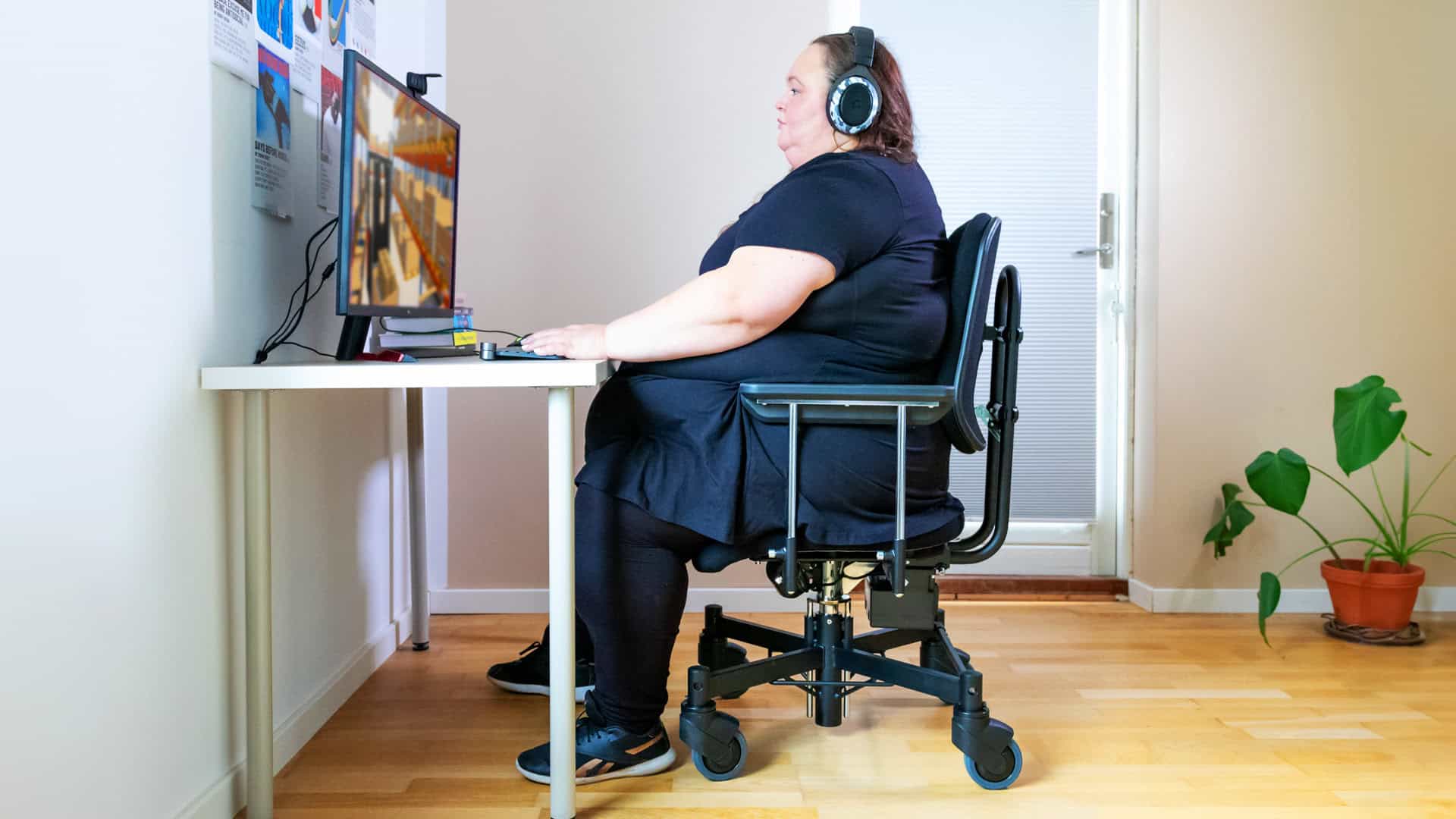
Mobility solutions like the VELA Chair offer practical assistance to seniors wishing to remain independent at home longer. Such innovations provide features like a central brake for enhanced safety and electric height adjustability to ease transfers and conserve energy, reducing the burden on caregivers. By enhancing tasks like cooking or cleaning while seated, these chairs increase comfort and safety in day-to-day activities. Without options like the VELA Chair, seniors may face heightened risks of falls and decreased mobility, often accelerating the transition to nursing homes. However, by incorporating thoughtful solutions, aging in place becomes not just preferable but feasible, allowing elderly individuals to maintain dignity and freedom in their familiar surroundings. While the VELA Chair is one effective tool, it exemplifies how technology-driven solutions can extend at-home care’s viability.