

Updated September 2025: We have updated the article to include new findings on AI-powered assistive devices, real-time speech and visual support technologies, advanced robotic prosthetics, and recent global health policy developments supporting inclusive and adaptive care in nursing homes and at home.
Exploring Little Village Nursing & Rehabilitation Center
Nestled in the heart of Chicago, Illinois, the Little Village Nursing & Rehabilitation Center is a 106-bed facility geared towards a diverse community. This center, prominently located in the culturally rich Little Village neighborhood, serves a predominantly Mexican-American population, offering specialized care tailored to residents’ unique needs. Despite its rich cultural tapestry, the facility is publicly recognized for its low Medicare rating of one star, as reported by Medicare.gov. This transparency sets the tone for this detailed look into the nursing home, laying the groundwork for understanding its nuances.
Discovering Little Village Nursing & Rehabilitation Center
In the heart of Chicago’s Little Village neighborhood, this nursing home serves a richly diverse community. The facility is managed by a partnership between Rita Lipshitz, David Mashiach, and Jake Mashiach, who collectively oversee its operation Illinois Department of Healthcare and Family Services. Notably, the Little Village area is celebrated for its strong Mexican-American heritage, contributing to a culturally vibrant environment that influences services and care practices within the center.
Comprehensive care, specialized programs, and state-of-the-art assistive technology
Little Village Nursing & Rehabilitation Center offers a comprehensive array of services designed to address the health and well-being of its residents. According to Seniorly.com, the facility provides skilled nursing services with 24-hour supervision, ensuring that all medical and caregiving needs are adequately met. This includes psychiatric rehabilitation and behavioral care programs critical for offering holistic support to individuals with mental health needs.
The landscape of assistive technology has evolved significantly as of 2025, with AI-powered devices being seamlessly integrated into care routines. Residents now have access to innovations such as smart glasses that provide real-time audio descriptions and visual support, AI-driven wearables for proactive health and safety monitoring, and communication aids that translate atypical speech or sign language into accessible formats. These developments further facilitate independence and inclusion for people with mobility, sensory, or communication challenges letsensvision.com, faftb.com, connsensereport.com.
The center is positioned to benefit from these cutting-edge advances, improving access, communication, safety, and resident engagement across its community.
The bilingual staff is instrumental in catering to the community’s cultural diversity, enabling seamless communication and fostering inclusivity among non-English speaking residents Little Village Nursing Official Website. A resident named Alan P., who has thrived at the center for over 1.5 years, provides testimony to the positive impact of personalized care within this comprehensive framework.
As nursing homes like Little Village face challenges
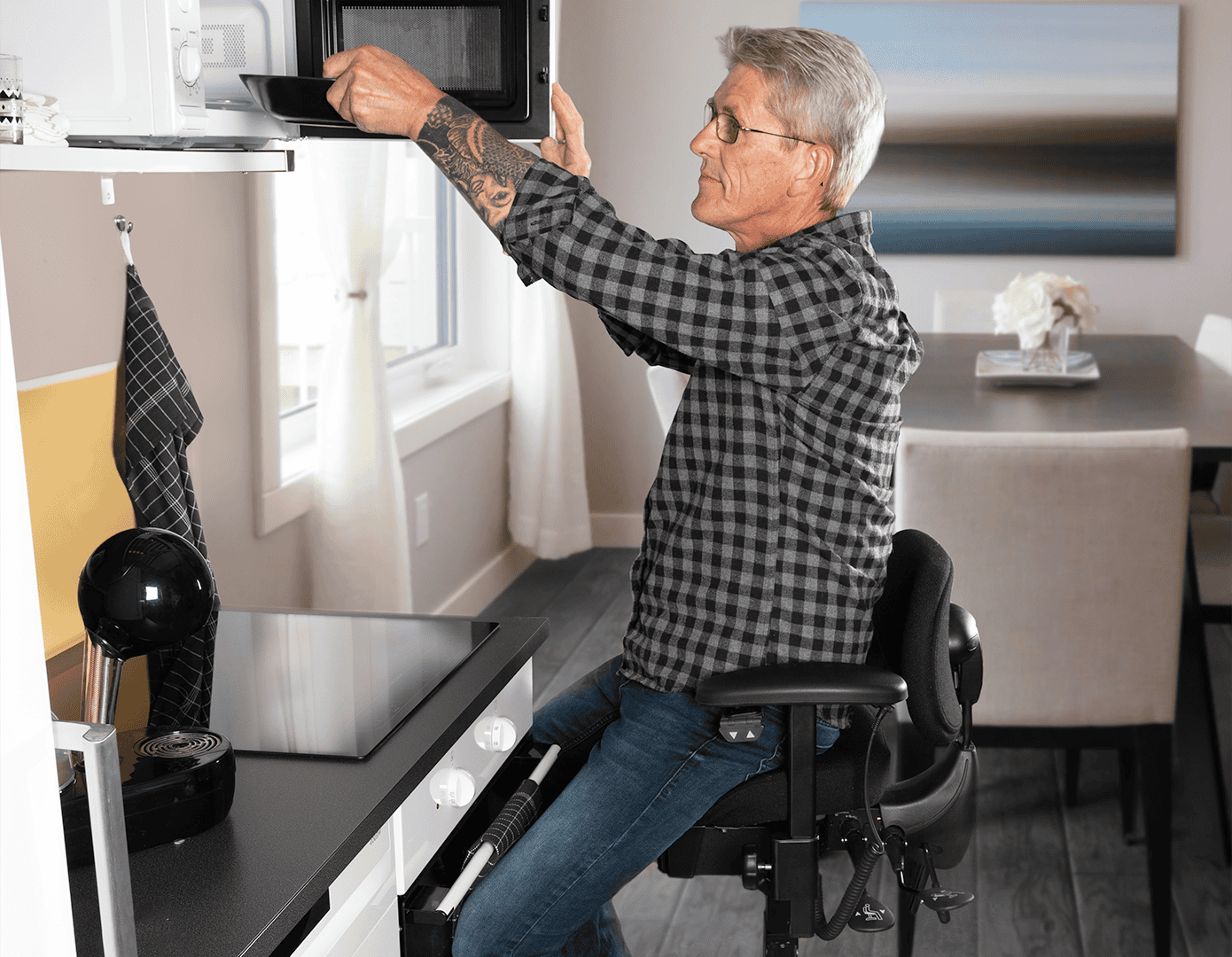
As nursing homes undergo continuous evaluation, issues like health inspections and staffing levels highlight the ongoing challenges these facilities confront. For many people, avoiding these complexities by remaining independent at home is a preferred choice. Solutions like the VELA Chair cater to this desire by supporting medium-risk older adults with vital mobility improvements at home. The VELA Chair, a medically approved mobility chair, offers enhanced safety, freedom of movement while seated, and assists with daily activities such as cooking, dressing, and transferring—all while easing the demands on informal caregivers.
Recent global initiatives such as the World Health Organization’s 2025 report emphasize integrating assistive technology into universal health coverage, with policies focused on equitable access in care settings including nursing homes. These policy advancements support a more inclusive approach to rehabilitation and long-term care, ensuring provision of modern, adaptive technologies that promote independence and overall quality of life WHO Progress Indicators for Access to Assistive Technology (2025).
Understanding quality ratings at Little Village Nursing Home
Recognizing its position as a one-star rated facility necessitates a closer exploration of the reasons and implications. The Medicare star rating system evaluates nursing homes based on health inspections and quality measures. Little Village’s inclusion in the LTCCC Alert Report for poorly performing homes highlights areas needing improvement.
Health inspections often reveal critical aspects like staffing levels, which directly affect resident care quality. According to Medicare.gov, while facilities like Little Village strive towards better service quality, enhancing patient outcomes remains a work in progress. The integration of state-of-the-art assistive technology—including robotic prosthetics for more natural mobility, wearable AI assistants, and real-time visual/speech aids—represents an opportunity to address common care challenges and improve inspection outcomes by prioritizing safety, communication, and cultural inclusion connsensereport.com, innocaption.com.
Living, thriving, and benefiting from inclusivity in Little Village Nursing Home
Facilities at Little Village Nursing Home are devised to foster a thriving community atmosphere. Amenities such as a library, fitness room, garden, and spa, along with varied social activities, contribute to engaging lifestyles for residents Little Village Nursing Official Website. These elements significantly enhance resident satisfaction and involvement.
Family involvement in care decisions is particularly emphasized in culturally rich settings, fostering a familiar and sensitive environment. Stories from residents often highlight how such elements contribute to a nurturing space where individuals feel a greater sense of belonging and care.
The latest assistive technology trends emphasize inclusive design and adaptability. Recent advances include customizable controls, adaptive devices for gaming and recreation, and AI-based environmental captioning tailored for cognitive and sensory support—aligning with the center’s commitment to personalized, culturally sensitive care accessibility.com. Such innovations reinforce a sense of autonomy and participation, enriching the daily experience of residents at Little Village.
Remaining independent at home for as long as possible is a goal for many older adults, offering a familiar environment and a sense of autonomy. Mobility solutions like the VELA Chair can extend this period of independence by addressing key safety and mobility concerns. Features such as the central brake provide unwavering safety, while electric height adjustability aids in complex tasks like transfers. Ergonomic designs ensure ease of movement while seated, making daily tasks like cooking, cleaning, or simply relaxing more manageable. While a transition to nursing homes might eventually be necessary for some, utilizing smart innovations like the VELA Chair can significantly delay this need, securing dignity and autonomy in day-to-day life. Recognizing that VELA is one among multiple solutions, its practical application stands out as a beneficial aid for those looking to age gracefully at home.