

Updated January 2026: We have updated the article with the latest findings on AI-integrated mobility aids, smart home safety devices, and telehealth-connected assistive technologies that enhance fall prevention and remote monitoring in nursing homes and home settings. The update also covers the repeal of federal nursing home staffing mandates, with emphasis on how AI-driven predictive analytics and IoT integration support resident care amid regulatory changes.
Understanding Lumber City’s Long-Term Care Landscape
When exploring long-term care in Lumber City, Georgia, the Lumber City Nursing & Rehabilitation Center is a prominent choice, reflecting the community’s dedication to senior care. The facility, managed by Peach Health Group, houses 86 certified beds and serves around 66 residents daily, with an occupancy rate of approximately 74.88%, according to Medicare.gov and Elder Guide.
Evaluating Quality and Care at Lumber City Nursing & Rehabilitation Center
For families evaluating the best care, resident experiences and quality ratings matter. According to Medicare.gov, the center is noted for its nurturing staff. However, it has received a “D” rating on Elder Guide, raising some concerns. Staffing averages 3.17 nurse hours per resident daily, slightly below Georgia’s average of 3.6 hours, with a turnover of 54.5% (as reported by ProPublica compared to the state average of 49.9%).
Despite these staffing metrics, the Center excels in preventative health measures, notably achieving an 83.8% pneumonia vaccination rate. Many families commend the center’s environment and the dedication of its staff, important factors despite the facility’s challenges in ratings. In line with recent advances, long-term care facilities now employ AI-powered smart assistive devices, including sensor-equipped wheelchairs and walkers with obstacle detection, voice-activated controls, and health monitoring. These aids offer real-time stability assessment and telehealth connectivity, greatly reducing fall risk compared to traditional designs. Smart bathroom safety devices, such as pressure-sensor grab bars and app-linked shower seats, enable both fall prevention and remote caregiver alerts. Expanded use of telehealth, wearable monitors, and personalized AI coaching for rehabilitation supports proactive and individualized care, improving safety, reducing hospitalizations, and fostering independence. The integration of these AI-driven and IoT-compatible technologies reflects best practices in resident-centered, socially supportive environments. ButterflyMX, Everything Medical Online, Heisinger Bluffs, Skilled Nursing News
Financial Considerations and Specialized Services in Lumber City Nursing Homes
Financial aspects of nursing home care are crucial. In Georgia, costs average between $6,000 and $7,500 monthly, consistent with state norms. Funding sources such as Medicare and Medicaid are accessible for eligible residents. NIC notes a national occupancy average of 84.5%, with reimbursement policies affecting future expenses. The Center also provides specialized programs, including memory care and around-the-clock skilled nursing, vital for residents with specific needs.
As of February 2026, there has been a repeal of the federal nursing home staffing mandates, removing previously required minimum nurse-to-resident ratios in response to ongoing workforce shortages. Facilities must instead conduct and document individualized assessments of resident needs to determine appropriate staffing. This regulatory shift means centers like Lumber City may face less pressure from staff ratio regulations but are expected to leverage advanced tech, such as AI-integrated monitoring and smart assistive devices, to ensure quality outcomes and resident safety amid workforce limitations. Recent CMS regulatory guidance continues to emphasize facility responsibility for resident-focused care and effective risk management using innovative approaches. Updates also maintain strengthened root cause analyses for adverse events and medication oversight, with requirements for quality assurance programs to reflect health equity, inclusivity, and person-centered planning. CMS Key Revisions 2025, Sandberg Phoenix, The Consumer Voice, Skilled Nursing News, National Association of Counties, Center for Medicare Advocacy, Medicare Rights Center
Experience and Expertise in Senior Care
Practical knowledge is key in navigating the senior care landscape. For example, residents at Lumber City Nursing & Rehabilitation Center engage in daily routines that nurture both physical and mental health, essential in addressing cognitive decline. The Center’s memory care program is designed with secure units, as previously noted in historical data, catering to those with Alzheimer’s or similar conditions. These efforts, combined with hands-on care and personalized programs, underscore the facility’s role as an experienced provider. Consistent with advancements through 2026, AI-driven predictive analytics now enable early detection of health issues, aiding in timely fall prevention, infection control, and tailored care plan adaptation. Integration of IoT-compatible devices with telehealth functionality, smart monitoring, and personalized rehabilitation AI coaching augments access to expertise and supports independence. Ergonomic innovations, informed by predictive data, help improve mobility and autonomy for residents in both facility and home settings. ButterflyMX, Heisinger Bluffs, Skilled Nursing News
Staying Independent at Home with Support
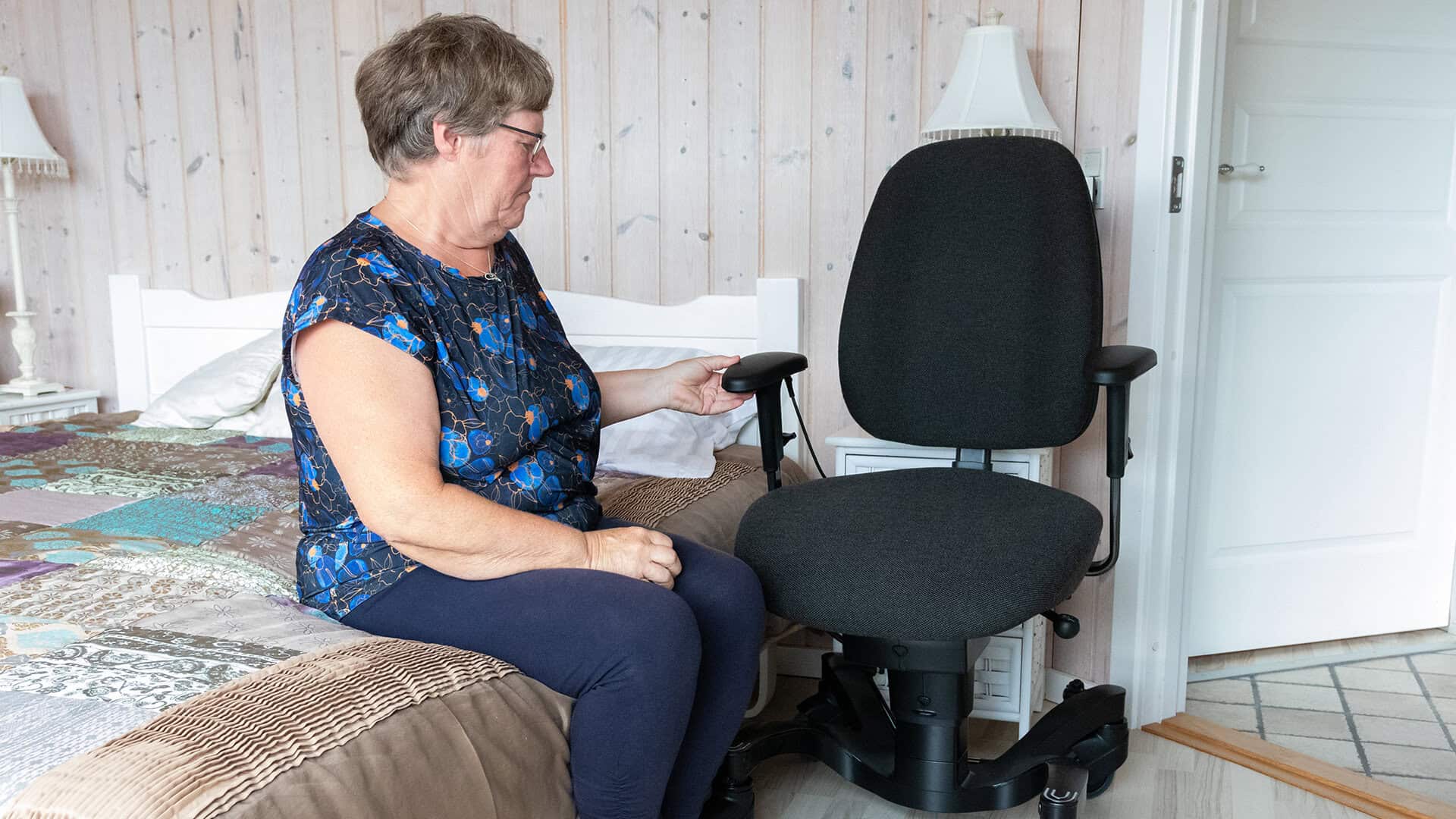
For seniors striving to maintain their independence at home, mobility aids like the VELA Chair can be transformative. Designed with features that prioritize safety and ease of movement, these chairs are equipped with a central brake to prevent falls and electric height adjustability to facilitate transfers and daily activities. Such innovations not only bolster safety and confidence but also delay the necessity of moving into a nursing home by allowing individuals to manage everyday tasks like cooking and dressing more easily. Supporting seniors living independently can preserve dignity and reduce the emotional and financial burden on family caregivers. The newest smart mobility aids available in 2026 include AI-driven features such as real-time collision avoidance, adaptive controls, voice activation, and integration with telehealth—for coordinated remote monitoring and immediate response in emergencies. Additionally, smart bathroom safety devices, such as pressure-sensitive grab bars that send alerts, are increasingly adopted. These innovations ensure enhanced safety and empower older adults to age in place confidently, with remote support options for families and care teams. Everything Medical Online, ButterflyMX, Heisinger Bluffs, Skilled Nursing News
While the VELA Chair is one effective option among various aids available, its proven capabilities to enhance home-life quality for elderly users are significant. By employing state-of-the-art solutions like this, aging in place becomes a viable option, maintaining quality of life and offering families peace of mind.
Synchrony Florida, CMS Key Revisions 2025, ButterflyMX, My Care Concierge, Everything Medical Online, CMS – Revised Surveyor Guidance 2025, Pennsylvania Department of Health, Sandberg Phoenix, The Consumer Voice, Heisinger Bluffs, Skilled Nursing News, National Association of Counties, Center for Medicare Advocacy, Medicare Rights Center