

Updated January 2026: We have updated the article with new information on AI-driven monitoring, wearable devices, and robotics for mobility and fall prevention, telehealth integration, personalized care using real-time analytics, the GUIDE model for dementia care, regulatory trends, and the evolving role of advanced technologies in Madison County nursing homes and at-home elder care.
Madison County Nursing Homes: Finding the Right Care for Your Loved Ones
Navigating the landscape of nursing homes is often a formidable challenge, especially when searching for the perfect fit in a specific region. When one thinks of “Madison County Nursing Home,” it references numerous counties across the U.S., each offering different facilities and care options. For example, in Madison County, Alabama, senior services infrastructure is well-developed, particularly in urban areas like Huntsville, where seniors comprise an estimated 15-18% of the population. This demographic emphasizes the critical importance of finding dependable, top-quality care options close to home.
According to Medicare.gov Nursing Home Compare, nursing homes in various Madison Counties are assessed based on their quality and care standards, granting families the ability to compare potential options using star ratings and quality measures.
Overview of Nursing Homes in Madison County
The nursing home landscape in Madison County is diverse and comprehensive. Communities such as those in Madison County, Alabama, Indiana, Illinois, and Mississippi provide numerous residential care options. Each facility offers varied services, levels of care, and uniquely serves its community.
For example, in Madison County, AL, Redstone Village and Windsor House provide upscale living with extensive amenities, as highlighted by resident testimonials lauding the engaging community programs and compassionate staff. According to SeniorGuidance.org, Madison Manor Nursing Home offers specialized care options, including memory care, and has been recognized for high-quality service through rigorous state evaluations. Meanwhile, facilities in Madison County, MS, reflect high occupancy rates at around 93.54%, as noted by the Mississippi State Department of Health, indicative of the trust and demand within these communities.
Cost, Ratings, and Occupancy of Madison County Facilities
Cost is a crucial consideration when selecting a nursing home. There is significant variation across counties; for instance, Madison County, IN, presents an average monthly cost of approximately $4,469, as reported by A Place For Mom, which is notably more affordable than the national median, providing some financial relief for families budgeting for long-term care.
Facility ratings offer critical insights into the quality of care provided. Homes in Madison County, MS, are consistently noted for high occupancy levels, affirming community faith in their services. According to NursingHomes.com, family testimonials frequently spotlight the peace of mind that comes from knowing their loved ones are receiving quality care, supported by robust ratings.
As of July 2025, updates from the Centers for Medicare & Medicaid Services (CMS) have revised how nursing home quality ratings are calculated, now considering only the two most recent health inspection survey cycles. This adjustment may affect comparative ratings and should be considered when reviewing facilities. In addition, new CMS surveyor guidance effective from February 2025 strengthens requirements on staffing levels, use of psychotropic medications, inappropriate discharges, and nursing responsibilities including mandatory 24-hour licensed nurse coverage. There is also updated guidance clarifying medical director roles, admission and discharge policies, medication practices, and infection control standards, all designed to enhance overall oversight and care quality in nursing homes. CMS quality profiles now report performance information for chains and affiliated entities, and COVID-19 vaccination data has been removed from public reporting.
Sources: Health Industry Washington Watch; CMS; AHCA/NCAL
Choosing the Right Nursing Home in Madison County: What to Look For
Choosing the right nursing home involves a comprehensive evaluation of several factors. It is essential to identify the types of care available—such as skilled nursing, rehabilitation, or memory care services—to ensure they align with your loved one’s needs. Evaluate facility ratings and reviews, which offer candid insights from current and former residents. Ensure that the nursing home accepts Medicaid, Medicare, or other insurance plans to alleviate financial burdens.
Recent trends emphasize an expanded role of advanced technologies within care facilities and at home. Since 2025, there has been a strong industry shift toward AI-driven monitoring, wearable devices, and robotics for mobility and fall prevention, as well as telehealth integration and personalized care plans informed by real-time data analytics. AI-enabled monitoring systems now support early detection of risks such as falls, pressure ulcers, and chronic condition flare-ups, resulting in fewer hospitalizations and supporting senior independence. Nationally, adoption of AI in nursing homes remains low (around 4.5% in 2025), but is accelerating as facilities implement predictive tools, wearable sensors for fall detection, and robotic exoskeletons for mobility and rehabilitation. Smart home features, such as stairlifts and voice-activated controls, are now also used to improve accessibility and safety for residents.
Sources: Skilled Nursing News; AANP; Dosepacker; Senior Housing News
Other recent advancements include the implementation of the GUIDE model for dementia care, supporting patients through technology-enhanced, person-centered approaches. Telehealth and hybrid care models (combining in-person with remote services) are increasingly used for ongoing clinical assessments and virtual rehabilitation, meeting rising expectations among families for personalized and tech-integrated experiences.
Sources: Skilled Nursing News
Healthcare professionals often advise visiting potential homes to observe staff interactions and gauge the environment firsthand. Personal tours provide families the opportunity to assess the facility’s cleanliness, safety measures, and quality of patient care. Updated safety and ergonomic standards now prioritize slip-resistant flooring and mats in bathing and high-traffic areas, personalized risk-based access to potentially hazardous items, and compliance with newly integrated dementia care protocols emphasizing behavioral management and least-restrictive environments.
Source: ECP123
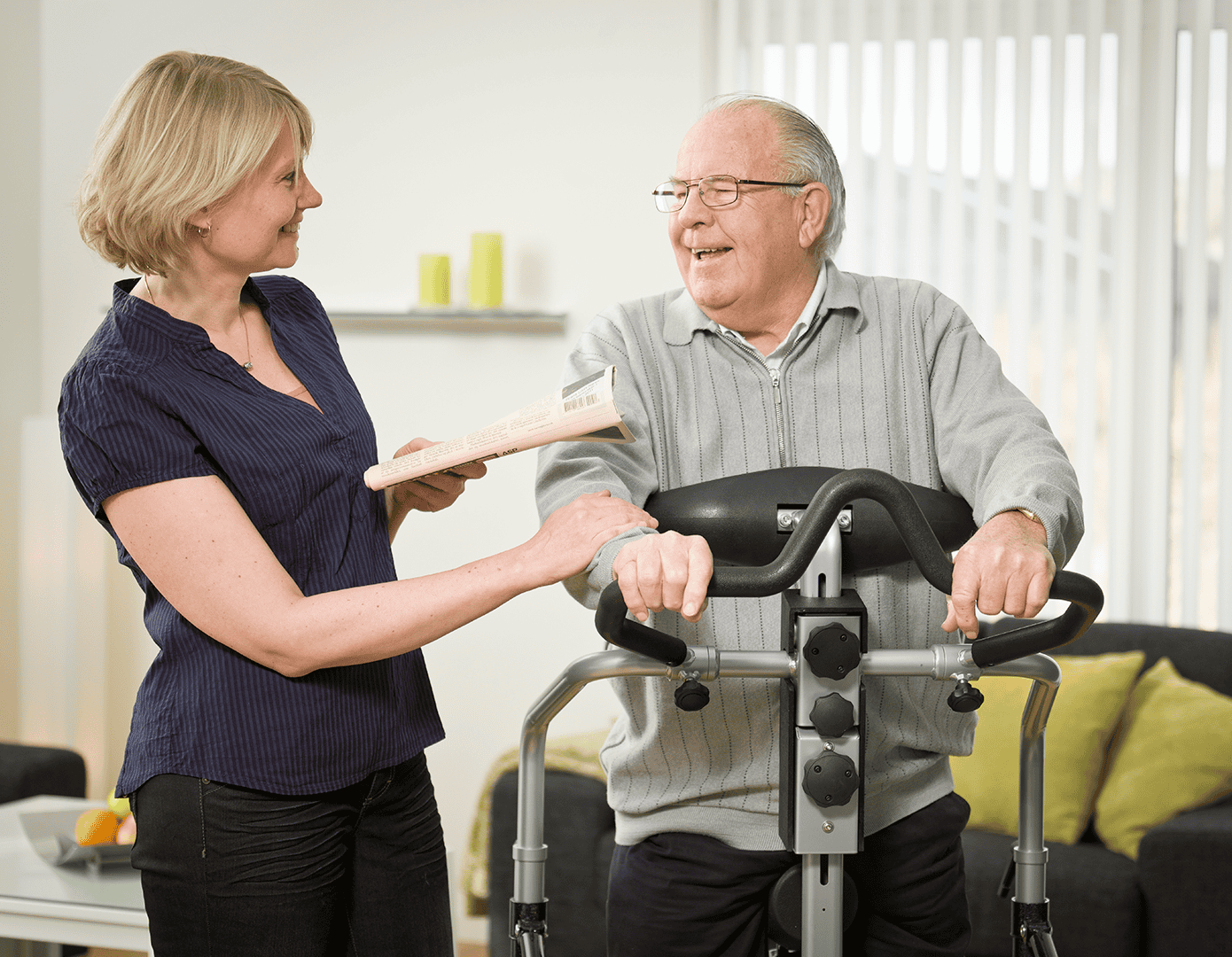
With an increasing focus on promoting independence among seniors, solutions that enable older adults to remain in their homes are becoming particularly significant. While nursing homes provide vital care, they aren’t always the preferred choice for everyone due to personal or financial reasons. Supporting alternatives like VELA Independence Chairs bridges this gap. These medically approved mobility solutions offer enhanced safety and freedom of movement for seniors at home. They support daily activities such as cooking, dressing, or transferring, while also reducing the caregiving load of family members, thereby enabling elderly individuals to live autonomously for longer.
Balancing Care Options: Madison County Choices and Innovations
Madison County offers a selection of diverse and high-quality nursing home choices, catering to a wide range of needs and preferences. By balancing traditional care with innovative solutions like VELA chairs, families can take a more comprehensive approach to senior living, focusing on personalized care that respects dignity and comfort.
AI-powered mobility aids, smart home assistants, video doorbells, and predictive analytics for fall prevention are now widely available and can be implemented in both facility and home settings. These advancements improve resident safety and comfort, enable more proactive care, and help address staffing shortages by increasing efficiency and reducing the need for constant supervision. Predictive analytics and remote monitoring allow care teams to identify health risks linked to falls, weight loss, or dehydration before urgent interventions are necessary. Regulatory and policy shifts, such as evolving Medicare support for home-based technology and Medicaid changes promoting flexibility, reflect broader industry moves to support both in-facility and at-home senior care. Experts now view AI as a tool that augments staff, supporting rather than replacing caregivers, a vital consideration given ongoing workforce shortages.
Sources: Skilled Nursing News; AANP; Dosepacker; Senior Housing News
Exploring all available options allows you and your loved ones to make informed decisions about the care best suited to their needs, whether they reside in a bustling urban or serene rural environment. By understanding the elements at play—ranging from costs to types of care—families can nurture a sense of peace, ensuring a supportive and enriching environment for their elderly relatives.
Supporting Aging in Place: A Practical Option
Mobility solutions like the VELA Chair can significantly enhance the quality of life for seniors opting to stay at home. The chair’s features, such as the central brake for extra safety, electric height adjustability, and easy movement while seated, directly address common challenges faced by older adults, such as fall risks and energy expenditure. In addition to VELA Chairs, the latest smart wheelchairs and wearable health monitors offer advances like AI-driven safety alerts, remote customization, GPS tracking, and real-time fall detection, further empowering safe, independent living.
Sources: Everything Medical Online; ButterflyMX; Skilled Nursing News; Dosepacker
These attributes help delay the need for nursing home care by supporting day-to-day activities like cooking, cleaning, and leisurely engagements, all while maintaining dignity and safety. Though VELA Chairs are not the only option, they represent a practical and proven approach to aging in place, exchanging the constraints of nursing home living for the freedoms of familiar home surroundings. By incorporating these supportive technologies and ergonomic safety standards, seniors experience greater autonomy, caregivers benefit from reduced burdens, and the quality of independent living is significantly enhanced for aging populations.
Sources: Heisinger Bluffs; ECP123; Skilled Nursing News; Senior Housing News