

Updated January 2026: We have updated the article with new developments in AI-driven assistive technologies, recent regulatory changes including the repeal of federal minimum staffing standards effective February 2026, and CMS updates to Five-Star quality ratings. The article now highlights the growing integration of smart sensors, predictive analytics, and wearables in nursing and home-based care, reflecting current consumer expectations and trends in proactive rehabilitation and resident safety.
Magnolia Manor Nursing Home: A Trusted Choice for Quality Care
Embarking on the journey of finding quality care for your loved ones is never easy. For those considering Magnolia Manor Nursing Home, you are not alone in seeking reputable options. With an established presence across South Carolina and Georgia, Magnolia Manor serves over 1,300 seniors, offering diverse care solutions designed to meet individual requirements. According to Centers for Medicare & Medicaid Services (CMS), understanding their ratings is crucial to evaluating the quality and credibility of any nursing home.
Unveiling Magnolia Manor: A Legacy of Care in the Southeast
Magnolia Manor is a distinguished name in senior care, with a rich history spanning several decades and facilities scattered throughout South Carolina and Georgia. Renowned for its commitment to elder care, the organization operates as a for-profit chain in South Carolina and as a nonprofit entity in Georgia. The variation in ownership structures significantly influences their operational philosophies and resource distribution (GuideStar Profile). For instance, nonprofit operations may reinvest profits into enhancing resident services, while for-profit entities might prioritize efficiency and financial returns.
Each Magnolia Manor location—from Spartanburg to Midway—offers amenities designed to provide comfort and a sense of home. Services range from basic assisted living to complex skilled nursing care, with an emphasis on community integration. For example, facilities often host community events that allow residents to engage socially and remain connected to their local environments.
Evaluating Quality: How Magnolia Manor Stands in Care Standards
Choosing a nursing home involves understanding the CMS Star Ratings, which reflect care quality based on health inspections, staffing, and quality measures. As of July 2025, CMS has updated its quality rating calculation methodology: only the two most recent standard surveys are used rather than three, and ratings for nursing home chains are now publicly available to enhance transparency for consumers (AHCA National)(CMS Five-Star Quality Rating System)(CMS Compliance Group)(CMS Memo).
CMS has also revised its long-term care surveyor guidance in 2025, clarifying requirements for consistent licensed nursing staff coverage 24/7, enhanced nursing service standards, and strengthened oversight for psychotropic medication use and safe resident transfers. The responsibilities of medical directors in long-term care facilities have been further clarified, emphasizing active participation in quality assurance and care policy implementation (CMS.gov)(Paltmed.org)(Patient Access to Long-Term Care Media).
As of February 2026, the federal minimum staffing standards for nursing homes have been repealed. Facilities are now responsible for conducting and documenting thorough assessments to determine staffing needs based on resident acuity and requirements, rather than adhering to past fixed national minimums such as 3.48 hours per resident day and 24/7 RN coverage (CMS Fact Sheet)(Federal Register). This regulatory shift responds to ongoing workforce shortages and emphasizes a technology-enabled, resident-centered approach to care.
When examining staffing levels, some Magnolia Manor locations slightly trail state averages, which can affect daily care quality. For example, the Spartanburg facility has reported nurse hours per resident below the South Carolina average of 3.9 hours per day. With the removal of federal minimums, these numbers now reflect Magnolia Manor’s individual staffing assessments and adaptation to workforce challenges. Furthermore, nurse turnover rates are a concern due to their potential to disrupt continuity of care. Spartanburg’s nurse turnover is reported as slightly below its state counterparts, suggesting relative stability but continuing recruitment and retention challenges (ProPublica Nursing Home Inspect).
Tailored Care: Specialized Services at Magnolia Manor
Magnolia Manor excels in providing specialized care services that cater to various health needs, including skilled nursing care, rehabilitative services, and comprehensive Alzheimer’s programs. Building upon these care models, the latest developments in assistive technology are expanding residents’ autonomy and safety. As of 2026, the sector is experiencing widespread adoption of AI-driven technologies such as noninvasive fall detection sensors embedded in facilities, predictive analytics monitoring mobility risks (including gait changes, pressure ulcers), and wearables for real-time vital monitoring (JAMA Health Forum)(AANP Report).
Integration of these smart mobility and remote monitoring tools has quickly become a hallmark of innovative rehabilitation programs. AI-powered smart wheelchairs now offer GPS navigation, collision avoidance, health monitoring, voice control, and app connectivity to support individualized mobility and engagement (EverythingMedicalOnline.com)(Medical Online).
Smart beds incorporate sensors to monitor vital signs, movement, and fall risk, while automatically repositioning residents to prevent pressure ulcers, with EHR integration improving care coordination (Western Governors University).
Wearables and wireless monitors enable continuous, noninvasive vital tracking, facilitating early intervention and reducing unnecessary hospitalizations (AANP Report)(Western Governors University).
Magnolia Manor’s approach now routinely incorporates ergonomic and inclusive devices such as adaptive smart sensors for residents with reduced mobility, responding to both clinical and consumer demand for upscale, technology-rich environments. Rehabilitation increasingly leverages real-time data and AI-enabled learning algorithms to provide proactive, individualized support (UnitedHealthcare Community & State).
The organization’s faith-based mission further enriches its care model, addressing residents’ spiritual and emotional well-being as much as their medical needs (Magnolia Manor Official Website).
Navigating Choices: How to Choose the Right Magnolia Manor Facility
Selecting a facility within the Magnolia Manor network requires careful consideration of several factors. Location is essential—not just for convenience but also for aligning with specific state regulations and care standards, which have evolved with the 2025 and 2026 regulatory updates to transparency, quality benchmarks, and staffing assessments based on resident needs (CMS Five-Star Quality Rating System)(Federal Register). Prospective residents and their families should compare facilities, bearing in mind that the admission process may vary between for-profit and nonprofit facilities and may also be influenced by the facility’s implementation of new enabling technologies or updated care models.
During facility visits, it is crucial to ask insightful questions:
- How does the facility assess and plan for staffing based on current resident needs?
- What is the staff-to-resident ratio?
- How is medication management and emergency care handled?
- What engagement programs and technology-enabled solutions are available to residents, such as AI monitoring, wearable tech, or voice-activated systems?
These questions help determine the facility’s suitability for your loved one’s unique needs (ProPublica Nursing Home Inspect).
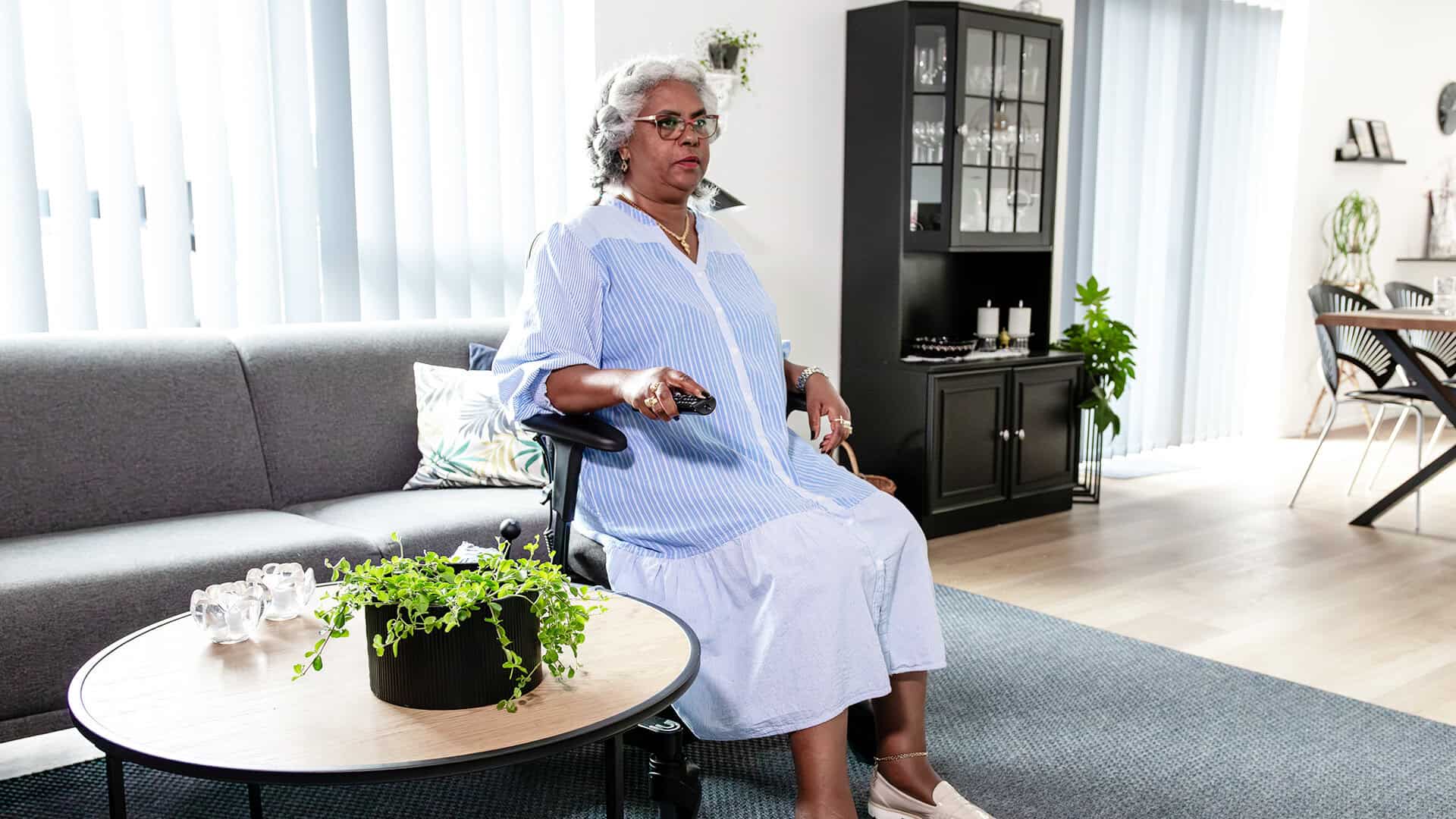
While nursing homes like Magnolia Manor offer comprehensive care, some families seek alternatives for seniors wishing to maintain their independence at home. The VELA Chair is an innovative solution that can extend the period a senior remains at home before considering a nursing facility. Key features such as its central brake for added safety, as well as electric height adjustability, empower seniors to perform daily tasks more independently. The integration of new smart technologies—ranging from app-connected devices to wearable monitors and robotic companions—can further enhance safety, reduce fall risk, and support aging in place (SynchronyFL.com)(Eldercare Alliance). By mitigating fall risks and easing transitions between activities, the VELA Chair conserves energy and enhances the ability to perform household duties, from cooking to leisurely activities. This approach helps preserve dignity, safety, and freedom, supporting seniors in leading fulfilling lives at home longer. While VELA chairs are just one of many mobility aids available, they stand out as a proven and practical solution (Fall Prevention Strategies).
References:
- SynchronyFL.com, “The Future of Home Health Care: Trends to Watch in 2025” (2025-04-10)
- Health Industry Washington Watch, “Recent Legislative and Regulatory Updates for Long-Term Care Facilities” (2025-07-22)
- UnitedHealthcare Community & State, “How Enabling Technology is Transforming Home-Based Care” (2025-08-11)
- Paltmed.org, “CMS Announces Key Revisions to Nursing Home Surveyor Guidance” (2024-11-22)
- Eldercare Alliance, “Technology for Assisted Living Facilities” (2024-06-20)
- CMS.gov, “Revised Long-Term Care Surveyor Guidance” (2024-11-18)
- EverythingMedicalOnline.com, “The Latest Trends in Mobility Aid Technology for 2025” (2025-05-30)
- AHCANational.org, “CMS Makes Updates to Nursing Home Care Compare and Five Star” (2025-06-18)
- CMS Compliance Group, “Significant 2025 Updates to Nursing Home Compare and Five Star Quality Measures” (2025-07-05)
- Western Governors University, “Advanced Nursing Technologies in Long-Term Care 2025” (2025-03-15)
- Medical Online, “2025 Trends in AI-Powered Mobility Aid Technology” (2025-05-20)
- Patient Access to Long-Term Care Media, “Key CMS 2025 Revisions to Surveyor Guidance” (2025-02-14)
- JAMA Health Forum Analysis on AI in Nursing Facilities, “Top Trends That Will Shape the Skilled Nursing Sector in 2026” (2026-01-10)
- AANP, “Top Five Health Care Trends for 2026: How New Technology is Transforming Patient Care” (2025-12-05)
- CMS Fact Sheet on Minimum Staffing Standards (2024)
- Federal Register, “Repeal of Minimum Staffing Standards (effective Feb 2, 2026)”
- CMS Memo on Five-Star Updates (2025-06)