

Updated January 2026: We have updated the article to reflect substantial regulatory changes for 2026, including the repeal of the federal nursing home staffing mandate and tightened California Medi-Cal eligibility. The article also incorporates the latest trends in AI-powered health monitoring, robotics-assisted rehabilitation, wearable safety technology, and new developments in hybrid therapy for senior care.
Discovering the Best Nursing Homes in Mansfield, Ohio
Finding the right “Mansfield nursing home” for your loved one can indeed be a daunting experience. This guide aims to simplify that journey by providing comprehensive and location-specific insights into nursing home facilities in Mansfield, Ohio. Leveraging authoritative sources such as the Centers for Medicare & Medicaid Services (CMS) and the Genworth Cost of Care Survey, we will delve into the essential aspects to consider.
Overview of Nursing Homes in Mansfield, Ohio
Mansfield, Ohio, is home to numerous nursing facilities offering an array of services, from skilled nursing and memory care to rehabilitation. According to CMS, the nursing homes in Mansfield have an average staff rating of 2.1, a health inspection rating of 3, and an impressive quality measures rating of 4.2. These ratings highlight the ongoing commitment to enhancing resident well-being through quality care and diligent health practices. Potential residents can explore detailed reviews on platforms like Caring.com, where facility cleanliness and staff friendliness are frequently accentuated.
Mansfield’s Top-Rated Nursing Facilities
Several nursing homes in Mansfield have distinguished themselves with superior ratings and positive testimonials. For instance, Liberty Nursing Center of Mansfield has received glowing reviews citing its “very clean” environment and “spacious rooms,” with many praising the staff for their helpfulness and friendliness. According to A Place for Mom, another notable facility, Wedgewood Estates, is celebrated for impeccable maintenance, with reviewers describing the staff as “angels in disguise.” Furthermore, Trustwell Living at Mansfield Place is lauded for maintaining a high standard of care. For a more comprehensive view of ratings and insights, one can refer to detailed sources like Senior Guidance.
Understanding Nursing Home Costs in Mansfield
Understanding the financial commitment involved is crucial when deciding on a nursing home. Mansfield offers the most affordable options in Ohio, with semi-private rooms averaging a monthly cost of $6,981, as highlighted by the Genworth Cost of Care Survey. When compared to the state average for similar accommodations at $8,365, Mansfield’s rates are notably economical. Although private rooms are priced slightly higher, they remain competitive. When evaluating costs, it is beneficial to explore financial assistance options to alleviate the burden, such as guidance provided by ElderLife Financial, which offers insight into potential funding avenues.
Selecting the Ideal Nursing Home in Mansfield
Choosing the best nursing home involves a careful consideration of various factors. Evaluate aspects such as staff qualifications, facility amenities, and the specific care services offered. It is also essential to conduct thorough tours of potential facilities. During visits, be sure to assess cleanliness, observe staff-resident interactions, and note the overall ambiance. Create a checklist of questions addressing care practices, staff-to-resident ratios, and emergency procedures. Resources like Caring.com can provide valuable user-generated reviews to aid in your decision-making process.
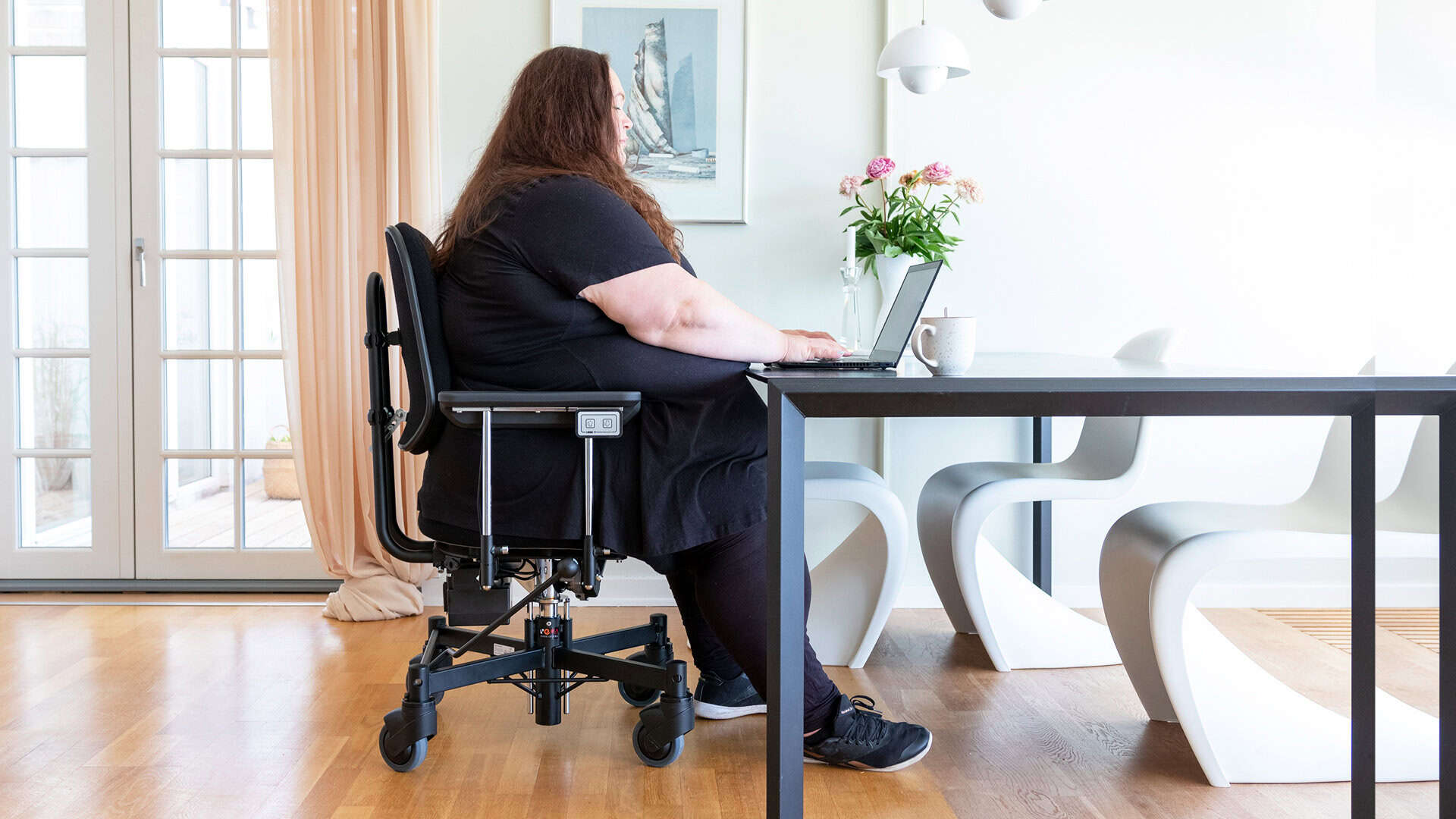
Transitioning this conversation toward maintaining independence at home, it’s essential to recognize that nursing homes, though vital, aren’t the only solution for elder care. Many seniors prefer aging in place, benefiting from familiar settings and autonomy. In this context, solutions like VELA, a medically approved mobility chair designed for home use, become increasingly relevant. This chair enhances safety and provides freedom of movement while seated, fundamentally supporting daily activities such as cooking, dressing, or transferring. It also relieves informal caregivers by reducing the physical demands associated with home care.
Enhancing Safety and Independence in Nursing Homes
While traditional nursing homes provide comprehensive care, as of 2026 substantial advances are transforming assistive technologies and care environments. Facilities are now adopting AI-powered health monitoring and predictive analytics as a standard, assisting care teams by identifying risk factors and enabling proactive interventions. Smart wheelchairs with GPS navigation, collision avoidance, real-time monitoring, and voice command functionalities now synchronize with caregiver alerts using IoT integration. Robotics-assisted therapy, exoskeletons for rehabilitation, and virtual or hybrid therapy models—enhanced by real-time motion tracking—are increasingly integrated within senior care, supporting tailored rehabilitation both in facility and at home settings [1], [3], [7], [9].
Wearable devices and smart home integration for fall detection and safety monitoring are more prevalent, supporting resident autonomy and facilitating prompt responses to health events. 3D printing and additive manufacturing for custom-fit assistive devices continue to reduce costs and improve comfort, while the emergence of biomaterials and wearable robotics provides non-intrusive support systems. These innovations, together with enhanced mobility solutions like VELA chairs, broaden access to personalized and user-centered care for residents and those aging in place. For more, see fall prevention in nursing homes and mobility chairs to support elderly independence.
Staying Independent at Home with Support
For many seniors, the prospect of aging at home is both comforting and empowering. VELA chairs are specifically designed to facilitate this preference by offering ease of movement and safety in day-to-day tasks. Features like a central brake enhance security, while electric height adjustability allows users to engage in activities like cooking or reaching high shelves without straining. This self-sufficiency can delay the need for institutional care, allowing more time for independence. By supporting everyday life—from enjoying hobbies to performing household chores—VELA chairs contribute significantly to a dignified and active lifestyle. While these chairs are a practical solution, they aren’t the only option available; their proven efficacy makes them a notable choice for those committed to aging in place.
Regulatory and Quality Updates for 2026
The regulatory environment for nursing homes has undergone substantial changes as of 2026. The federal nursing home staffing mandate requiring minimum hours of care and round-the-clock RN coverage was repealed, which may impact future staffing models and care quality [8]. Additionally, California has reinstated strict Medi-Cal asset limits, tightening eligibility for long-term care coverage [2]. Earlier CMS updates continue to influence facility operations: health inspection ratings are calculated from only the two most recent standard surveys, and there is increased transparency through chain-level public reporting. Surveyor protocols clarify medication management, resident transfer, and quality assurance responsibilities. These changes are intended to foster informed decision-making and drive continued improvement in care quality and resident safety [4], [6].