

Updated January 2026: We have updated the article to reflect the repeal of federal minimum staffing standards for nursing homes, changes to the CMS Five Star Quality Rating System and inspection procedures, the closure of the memory care unit at Villages of Maple Heights, and the most recent data sources for Medicare Care Compare. No new trends or technological developments on assistive devices or rehabilitation practices were identified post-May 2025.
Navigating Nursing Home Options in Maple Heights, Ohio
Finding the right nursing home in Maple Heights, Ohio, requires meticulous evaluation of several factors, including community demographics, facility offerings, and associated costs. According to Wikipedia, Maple Heights has a population of 23,350 residents, a median age of 36.6 years, and a median household income of $52,823. Understanding these parameters is essential for families seeking appropriate care solutions in the area.
Understanding the Maple Heights Nursing Home Landscape
The demographics of Maple Heights significantly influence the demand for nursing homes and shape the communal health infrastructure. The area’s predominantly Black or African American population, which constitutes 73.8%, underscores a need for culturally tailored healthcare services, according to Data USA. Nearby healthcare resources, like University Hospitals Ahuja Medical Center, provide valuable support to the community.
Maple Heights is home to several nursing facilities, each uniquely characterized by their service provisions and alignment with the broader healthcare landscape. These nursing homes cater to a wide range of senior needs, including rehabilitation, long-term care, and specialized assistance. Families in the area frequently emphasize proximity to family and culturally relevant care as critical factors in their selection of a nursing home, reflecting the community’s diverse cultural preferences.
Evaluating Top Nursing Facilities in Maple Heights
Among the nursing homes in Maple Heights, two facilities stand out for their specialized services: Phoenix of Maple Heights and Broadway Care Center.
- Phoenix of Maple Heights: Situated at 19900 Clare Avenue, this for-profit facility under Phoenix Health Services LLC has 99 certified beds and accommodates approximately 91 residents daily. As noted by ProPublica, the facility’s nurse staffing at 3.11 hours per resident per day is below the Ohio state average of 3.7 hours. Despite this shortfall, Phoenix of Maple Heights is committed to maintaining quality care through comprehensive patient services tailored to resident needs.
- Broadway Care Center: Located at 16231 Broadway Avenue, this center offers a range of services from assisted living to skilled nursing care. According to Seniorly, this facility is competitively priced with monthly fees beginning at $3,520, which is below the local area’s average costs. The center features amenities such as arts rooms and fitness facilities, which enhance residents’ daily lives and foster a robust sense of community.
Interviews with staff at these facilities reveal a shared dedication to elevating residents’ quality of life, balancing cost-effective care with enriching activities designed to promote wellness and happiness among residents.
Navigating Costs and Financial Assistance for Nursing Home Care
Given the substantial financial implications of nursing home care, exploring various financial assistance options is imperative. According to the Missouri Health Department, nursing home costs in Maple Heights are generally below state and national averages, making them relatively accessible for local families.
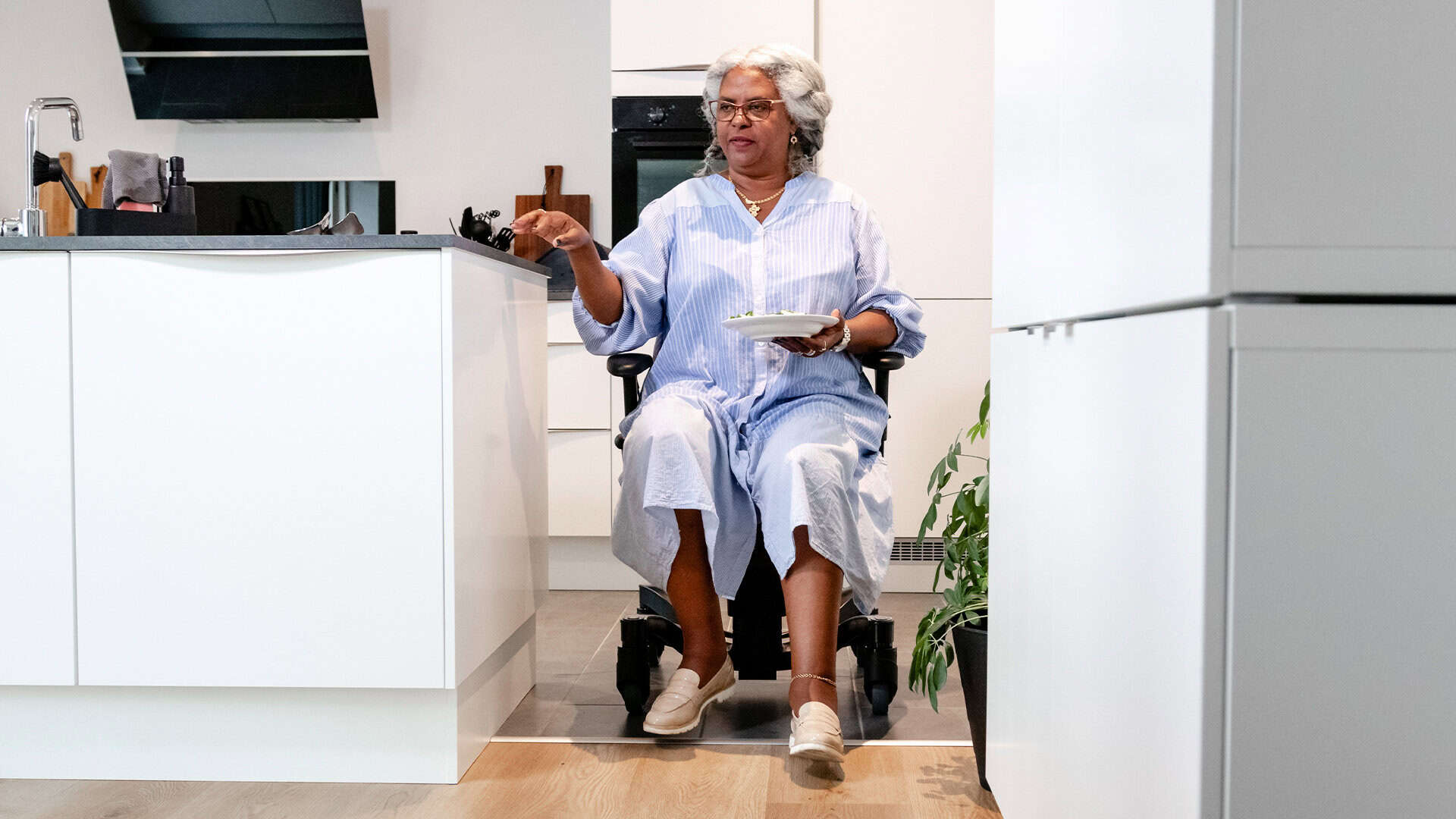
Challenges such as high turnover rates and under-staffing in nursing homes highlight the importance of alternative solutions for supporting senior independence. Products like the VELA Independence Chair offer a viable option, helping older adults safely remain in their own homes longer. This medically-approved mobility chair is designed to enhance safety, freedom of movement while seated, and support for daily activities such as cooking, dressing, or transferring—all while reducing the caregiving load on family members or friends. Solutions like VELA are vital in promoting autonomy and delaying the need for institutional care.
Medicare and Medicaid are vital for offsetting nursing home expenses. Understanding the specific coverage details of these programs is crucial for families. Many facilities proactively assist families in navigating these often complex benefits. Additionally, local financial assistance programs provide support tailored to families struggling with out-of-pocket expenses.
Quality of Care and Staffing Insights in Maple Heights
Quality care metrics are critical when selecting a nursing home. These include staffing ratios, turnover rates, and inspection results, which collectively offer transparency about expected care levels. At Phoenix of Maple Heights, the nurse turnover rate sits higher than the state average, indicating a possible area for improvement, according to ProPublica. However, resident feedback often praises the compassionate care provided by the dedicated staff.
Significant changes to nursing home regulations and oversight occurred in 2025 and early 2026. The U.S. Department of Health and Human Services (HHS) and CMS repealed the federal minimum staffing standards for long-term care facilities, including requirements for 3.48 nursing hours per resident per day and 24/7 RN coverage. This repeal, effective February 2, 2026, was implemented to address rural workforce shortages and prevent possible facility closures.[13][6][8][14] As a result, staffing levels may now show greater variability between facilities, making it important for families to review up-to-date staffing and inspection information when choosing a nursing home.
Additionally, the CMS Five Star Quality Rating System has been updated. Effective June 2025, only the two most recent health inspection surveys are used for ratings (from July 1, 2025); and from October 29, 2025, antipsychotic medication claims data is included to increase accuracy and currency of posted ratings.[4]
Facilities now regularly implement technological advances, such as AI-driven monitoring, wearable sensors, and adaptive rehabilitation devices to enhance resident autonomy and safety. Pressure-relief seating and robotic rehabilitation aids are increasingly found in Maple Heights nursing homes, alongside AI-powered fall detection systems that support more rapid and accurate incident response. Technology-enhanced physical therapy, including tele-rehabilitation and virtual reality tools, is also becoming a standard component of resident rehabilitation, broadening access and improving engagement.
The area has also adopted updated ergonomic safety standards, notably the installation of slip-resistant flooring and adaptive furnishings. Regulations now require safe storage of hazardous materials and clear protocols for environmental risk reduction, integral to minimizing falls and supporting independence, particularly for those with cognitive impairment. Dementia care guidelines have been modernized with broad integration into daily practice and individualized behavioral assessments to better support aging in place.
Recent inspection data indicates that Maple Heights nursing homes, including some prominent facilities, have been cited for deficiencies related to safety hazards and assistance with daily living activities. Up to July 2025, Maple Heights Health & Rehab Center remains on the CMS Special Focus Facility candidate list and is under ongoing monitoring to accelerate quality improvement efforts[3][3][7]. The increased focus on medical documentation requirements—such as having assessments signed by licensed providers and clearly defining behavioral expressions—aims to further safeguard resident well-being.
There is a growing consensus from experts and user communities that nonprofit-operated nursing homes typically deliver higher quality care, owing partly to reinvestment in better staffing, advanced technology, and environments designed for resident engagement. In Maple Heights and across the region, family involvement and community-centered design are increasingly prioritized to promote connection and well-being.
Service update for Villages of Maple Heights: The memory care unit at Villages of Maple Heights (Cambria County, PA) closed after May 2025. Remaining services such as general rehabilitation and the PATH transitional rehab program continue, but specialized dementia care is no longer available at this location.[11] Please review the latest Care Compare data or contact facilities directly to confirm service availability for memory care and related programs.
Feedback from caregivers and nursing personnel frequently spotlights ongoing challenges in maintaining high care standards amidst staffing variations, but they also underscore a steadfast commitment to delivering exceptional resident care.
Making the Right Choice
Deciding on the right nursing home in Maple Heights involves weighing the extensive facility options against potential home-based solutions that can maintain senior independence and mitigate costs. By thoroughly exploring local nursing home choices, understanding financial aid opportunities, and scrutinizing quality care credentials, families can tailor their decisions to suit their specific circumstances.
Encouragingly, innovative solutions, such as in-home mobility aids, can complement nursing home care, fostering independence and potentially delaying the necessity for full-time residential solutions. By evaluating all available options, families can formulate a balanced care plan that addresses both current and future needs for their loved ones.
Supporting Aging in Place: A Practical Option
Exploring alternatives to nursing home placement, solutions like the VELA Independence Chair can significantly contribute to the well-being of seniors, allowing them to live independently longer at home. Enhancing Senior Mobility, VELA chairs feature a central brake for enhanced safety and electric height adjustability to assist with mobility challenges. These features alleviate issues such as energy conservation and safe transfers, critical for daily activities like cooking and relaxing. For seniors and their caregivers, opportunities to maintain independence while reducing physical strain are invaluable, and VELA offers a practical example of assisting aging in place. Although not the singular answer to elderly care, VELA presents a proven option alongside other strategies to support dignity and autonomy in senior living.